In the land of cherry blossoms and high-tech innovations, League of Legends has taken Japan by storm. Gamers are trading their sushi rolls for keyboard clicks, diving into the thrilling world of Summoner’s Rift. With its captivating characters and strategic gameplay, it’s no wonder that this game has become a beloved pastime among Japanese players.
Overview of League of Legends in Japan
League of Legends has significantly impacted the gaming landscape in Japan. The game attracts a diverse audience and promotes competitive play.
History and Development
League of Legends launched in Japan in 2013, quickly gaining traction among local gamers. Riot Games, the developer, tailored the game for the Japanese market by incorporating regional elements and hosting local events. The introduction of localized servers enhanced the gaming experience, ensuring lower latency and improved gameplay. As a result, the community flourished, leading to the establishment of numerous esports tournaments and enticing sponsorships.
Popularity and Player Base
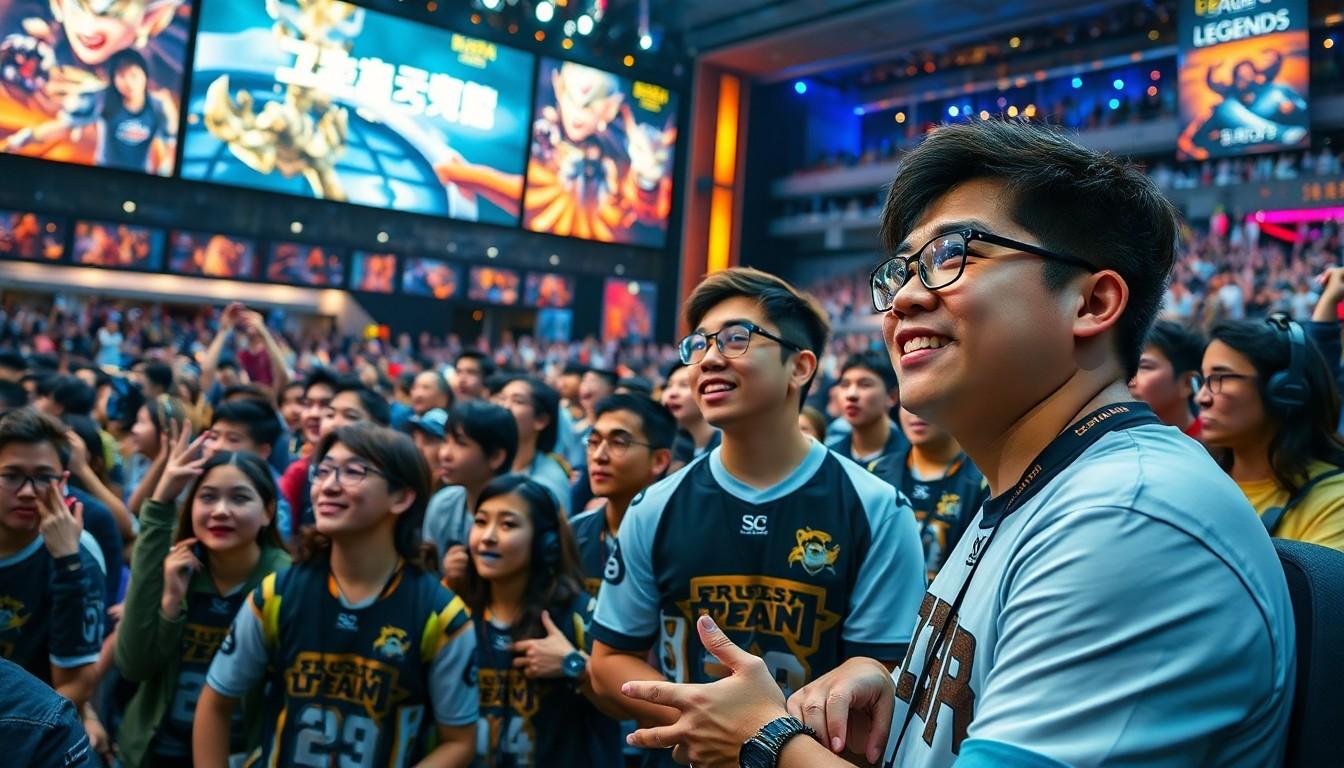
The popularity of League of Legends in Japan skyrocketed, with millions of registered players. Data from 2023 indicates over 3 million active players in the region. Competitive leagues, such as the League of Legends Japan League (LJL), cultivates a vibrant esports scene, showcasing top-tier talent. Events attract large audiences, both online and offline, demonstrating the game’s strong fanbase. Social media platforms enhance community engagement, connecting players and fans. Ultimately, the engaging gameplay and strategic depth resonate with diverse demographics.
Competitive Scene

The competitive landscape of League of Legends in Japan showcases immense growth and enthusiasm among players and fans. Multiple leagues and tournaments highlight a thriving ecosystem fueled by community engagement.
Major Tournaments and Events
The League of Legends Japan League (LJL) stands as the premier competition, providing a platform for top teams to battle for supremacy. Seasonal splits culminate in playoffs, drawing significant viewer numbers and increasing the profile of esports in Japan. Regional events like the League of Legends Championship Series further enhance competition among aspiring players and teams. Major sponsors contribute financial support, ensuring the sustainability and development of these tournaments.
Notable Teams and Players
Numerous teams have established themselves as powerhouses within the LJL. DFM (DetonatioN FocusMe) has garnered attention for its consistent performances, boasting a dedicated fan base. Noteworthy players include Evi, known for his exceptional top-lane mechanics, and Yaharong, a standout mid-laner. Other teams, such as Rascal Jester and Sengoku Gaming, also contribute to the competitive atmosphere. Emerging talent frequently captures attention, ensuring the scene continues to evolve.
Community and Culture
The community surrounding League of Legends in Japan reflects a vibrant culture that thrives on engagement and collaboration. Fans actively participate in various online forums and social media platforms, sharing strategies and content.
Fan Engagement and Content Creation
Fans create a wealth of content, including streams, videos, and fan art, that showcases their passion for League of Legends. Streamers on platforms like Twitch attract substantial viewership, with some boasting thousands of followers. Events such as watch parties amplify this engagement, allowing fans to connect while viewing tournaments together. Community-driven platforms like Discord host discussions, enabling direct interaction between players and creators. These efforts maintain an energetic environment, where every creator contributes to the game’s popularity.
Influences on Japanese Gaming Culture
League of Legends significantly influences Japanese gaming culture, reshaping how gamers view competitive play. It has popularized esports, transitioning gaming from a niche hobby to a mainstream activity. Players now engage in strategic teamwork and communication, fostering a culture of collaboration. Additionally, the game’s success encourages the rise of local esports organizations, generating opportunities for professional growth. Traditional games often see renewed interest as League of Legends inspires innovative gameplay mechanics, creating a dynamic gaming landscape. This cultural shift positions gaming as a prominent form of entertainment throughout Japan.
League of Legends Japan: Localized Features
Localized features significantly enhance the gaming experience for Japanese players, demonstrating Riot Games’ commitment to this market.
Japanese Language Support
Japanese language support plays a crucial role in making League of Legends accessible and enjoyable. Players can immerse themselves fully in the game through localized text, voiceovers, and tutorials. Familiarity with the language improves understanding of gameplay mechanics for new players. Accessibility to in-game menus and features also simplifies navigation and enhances overall enjoyment. This tailored experience fosters a sense of community and belonging, encouraging more players to join.
Unique In-Game Events and Collaborations
Unique in-game events and collaborations enrich the League of Legends experience for Japanese gamers. Riot Games frequently organizes events tied to national holidays, ensuring cultural relevance. Collaborations with popular local media and franchises introduce exclusive skins and thematic content, captivating fans across different interests. Events like the annual Lunar Revel attract significant player participation with special missions and rewards. Collaborative efforts not only boost engagement but also highlight the synergy between gaming culture and Japan’s rich entertainment landscape.
Challenges and Future Prospects
The competitive arena for League of Legends in Japan faces various challenges. Firstly, sustaining player interest in a saturated gaming market proves difficult, as competing titles emerge regularly. Maintaining high engagement levels among the existing player base requires constant innovation and support from Riot Games.
Talent development remains another critical challenge. Although Japan has notable teams like DetonatioN FocusMe and Sengoku Gaming, nurturing emerging talent is essential for long-term success. The League of Legends Japan League needs to focus on scouting and development programs that identify and foster new players.
Sponsorships play a vital role in the ecosystem’s sustainability. While the current sponsorship landscape shows promise, attracting new partners requires continued growth in viewership and engagement at tournaments. Competitive events, like the LJL playoffs, must draw consistent large audiences to entice businesses to invest further in esports.
Future prospects for League of Legends in Japan look promising. Increased collaboration between local media and gaming can enhance exposure and attract a broader audience. For instance, leveraging popular Japanese franchises or cultural events can streamline fan engagement and participation.
Engagement within the community presents another opportunity for growth. Online platforms, including social media and forums, offer spaces for discussions and strategy sharing. Capitalizing on this energy will encourage more fans to participate actively, strengthening ties between players and the community.
Localized experiences contribute significantly to player retention and attraction. Riot Games’ focus on language support and tailored events enhances the overall gaming experience. Events like Lunar Revel provide unique opportunities that connect gameplay with local culture, reinforcing player loyalty and excitement for what’s next.
Conclusion
The impact of League of Legends in Japan cannot be overstated. Its rise has transformed the gaming landscape and redefined leisure activities for many. With a vibrant community and a competitive scene that continues to grow, the game has solidified its place in Japanese culture.
As players engage with the game and each other, the potential for further development and innovation in esports remains strong. The future looks bright for both the players and the community, with opportunities for new talent and exciting collaborations on the horizon. The journey of League of Legends in Japan is just beginning, promising more thrilling moments in the years to come.