The moment Daft Punk’s legendary robot suits touched the Fortnite island, it was clear this wasn’t just another music crossover, it was a cultural moment. The French electronic duo’s iconic helmets and retro-futuristic aesthetic have defined a generation of music and fashion, and their arrival in Fortnite brought that legacy directly into the hands of millions of players. If you’ve been wondering whether the Daft Punk skins are worth the V-Bucks, how to actually get them, or what makes this collaboration stand out from the sea of other artist partnerships, you’re in the right place. This guide breaks down everything about the Daft Punk Fortnite crossover, from the cosmetics themselves to competitive viability and what it all means for future collaborations.
Table of Contents
ToggleKey Takeaways
- Daft Punk’s Fortnite collaboration celebrates a legendary electronic duo’s iconic robot aesthetic by delivering two authentic skins that rank among the highest-quality cosmetics ever released.
- The Daft Punk skins cost 2,000 V-Bucks each and are only available through the Item Shop on rotating schedules, making them rare collectibles that signal early adoption and cultural taste.
- Unlike typical music crossovers, this partnership integrates exclusive emotes synced to iconic Daft Punk tracks and seasonal music packs, creating a multimedia experience beyond cosmetics.
- The collaboration demonstrates Fortnite’s shift toward celebrating legacy artists and cultural moments, proving that gaming is now where music culture converges and reaches audiences at scale.
- Competitively, Daft Punk skins provide no gameplay advantages but offer high visibility and psychological morale benefits, making them valuable for both casual and squad-based play.
Who Are Daft Punk and Why Did They Matter to Gaming?
The Legendary Electronic Duo’s Cultural Impact
Daft Punk, Guy-Manuel de Homem-Christo and Thomas Bangalter, didn’t just make music: they created an entirely new visual language for electronic music. Their signature helmets, gleaming robot personas, and meticulously crafted aesthetic became as iconic as any character in gaming. The duo dominated the late 1990s and 2000s with albums like “Assignments” and “Discovery,” and they’ve been sampled, referenced, and worshipped by gamers for decades.
For gaming communities specifically, Daft Punk’s influence runs deep. Their music has featured in countless game soundtracks, and their visual style screams sci-fi futurism, something that naturally aligns with battle royale settings like Fortnite. Gamers didn’t need Daft Punk explained to them: most already understood why their aesthetics mattered. The band retired in 2021, which made this collaboration even more significant, not just a partnership with an active group, but a celebration of an era that shaped electronic music and gaming culture.
Music, Fashion, and Gaming Intersections
What makes Daft Punk fascinating in gaming contexts is how they bridge multiple worlds. They’re not just musicians: they’re fashion icons who treated concert performances like choreographed cinema. Their influence extends across gaming soundtracks, esports events, and streaming culture. When musicians enter the gaming space, the collaboration works best when the artist’s visual identity translates seamlessly, and Daft Punk’s robot suits are basically ready-made character skins.
Fortnite has become ground zero for these crossovers, proving that gaming is now a primary platform for cultural moments. Music artists have realized that reaching gamers through Fortnite hits broader audiences than traditional channels. Daft Punk’s collaboration acknowledges that gaming isn’t a niche hobby anymore: it’s where culture converges. The partnership shows how artists are rethinking what a performance or presence means in the digital age.
When Did Daft Punk Join Fortnite?
The Timeline of the Crossover Event
Daft Punk’s skins arrived in Fortnite during Chapter 3, Season 1, as part of a limited-time event that ran from early 2022. Epic Games kept the rollout deliberate, making the cosmetics available through the Item Shop rather than a battle pass or challenge-based unlock. The initial drop created immediate buzz in the community, with players racing to secure the skins before they cycled out of rotation.
The exact dates shifted slightly depending on regional availability and rotating shop placements, which is standard for Fortnite cosmetics. If you missed the initial window, the skins have made periodic returns to the Item Shop since then, though Fortnite cosmetics often get extended absences, making their reappearance unpredictable. This scarcity is part of what drives their desirability.
What Sparked the Collaboration
Epic Games doesn’t typically reveal the behind-the-scenes negotiation details for crossovers, but the timing of a Daft Punk collaboration makes sense when you consider their cultural weight and the appeal to Fortnite’s aged-up demographic. Many players who grew up with “Assignments” and “Discovery” are now in their late twenties and thirties, a core demographic for Fortnite beyond the younger casual audience.
The collaboration also arrived during a period when Fortnite was aggressively pursuing high-profile partnerships. Gaming culture and music culture had reached a genuine convergence point, and Daft Punk’s retirement in 2021 may have actually made them more mythologized and ripe for a nostalgia-driven crossover. The band’s absence from active touring made a digital presence in Fortnite one of the few ways new and existing fans could connect with their iconic aesthetic.
Daft Punk Fortnite Cosmetics and Skins Available
The Iconic Robot Outfits
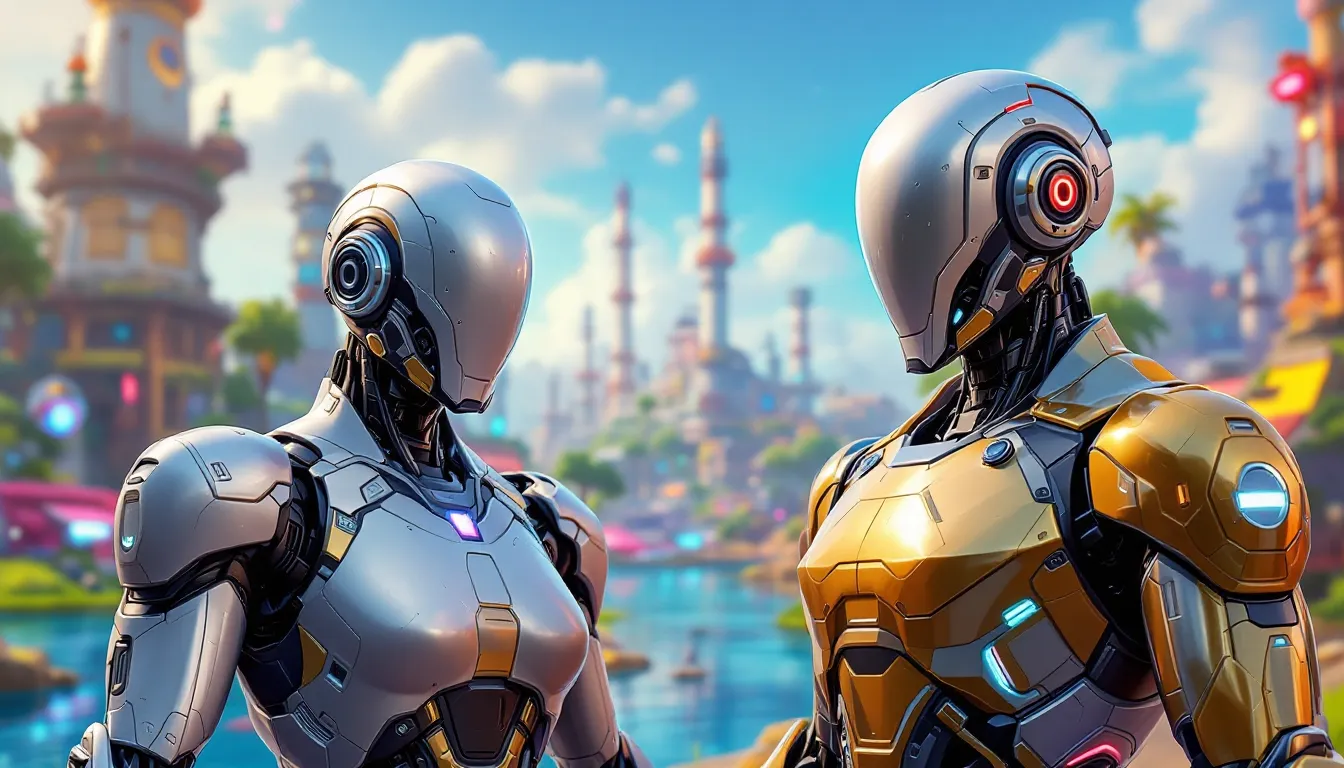
The Thomas and Guy-Manuel skins are the centerpiece of the Daft Punk collaboration. Each skin represents one half of the duo, complete with their distinctive helmets and glossy robot suits. The Thomas skin features his signature silver helmet with the iconic LED visor, while the Guy-Manuel skin showcases the gold-trimmed design recognizable from their album artwork.
Both skins are fully realized 3D models with accurate geometry and texture work that captures the bands’ original aesthetic. The helmets maintain their distinctive proportions and shine, and the body suits have the clean, minimalist engineering look that made Daft Punk’s visual identity so striking. On the island, players wearing these skins stand out immediately, which is both a cosmetic flex and a competitive consideration.
Back Bling, Emotes, and Other Items
Fortnite didn’t stop at just the skins. The bundle includes several supporting cosmetics:
- Back Bling: Themed accessories that complement the robot aesthetic, maintaining the sleek metallic vibe of the character skins.
- Emotes: Daft Punk’s collaboration includes exclusive animated emotes that sync to the band’s music. These aren’t just movement animations, they’re choreographed moments that celebrate the band’s visual performance style.
- Pickaxes: Harvesting tools designed to match the robot theme, maintaining visual cohesion when carrying gear.
- Wraps: Vehicle and weapon wraps that extend the aesthetic to your loadout.
The complete set allows players to fully commit to the Daft Punk theme across their entire cosmetic setup. Collectors prioritize the skins, but the emotes are particularly valued because they’re tied to actual Daft Punk tracks, making them legitimately functional entertainment during matches and in the lobby.
How to Unlock and Obtain Daft Punk Items
In-Game Store Pricing and Availability
The Daft Punk cosmetics are purchased exclusively through the Fortnite Item Shop using V-Bucks (Fortnite’s premium currency). Individual skins typically cost 2,000 V-Bucks each, which translates to roughly $20 USD at standard conversion rates. Epic Games occasionally bundles cosmetics together at a discount, and the complete Daft Punk collection bundle (if offered) can run 5,000-6,000 V-Bucks depending on what’s included.
There’s no way to earn these cosmetics through gameplay, battle pass progression, or challenges. They’re locked behind the paywall, which is standard for licensed crossover cosmetics. V-Bucks themselves are purchased using real money, and prices vary by region and platform (PC, PS5, Xbox, Nintendo Switch all have identical pricing).
Limited-Time Event Details
The Daft Punk skins don’t stay in the Item Shop permanently. Epic Games rotates cosmetics on a scheduled basis, meaning the skins appear for 24-hour windows, then rotate out. They may not return for weeks or months, there’s no guaranteed restock schedule, which drives urgency when they show up.
When the skins do appear, they usually drop at daily reset (around 7-8 PM EST, depending on your time zone). Players often track Item Shop rotations through third-party sites and community Discord servers to avoid missing purchases. Because of their cultural significance and licensing costs, Daft Punk cosmetics don’t get the same frequency of restocks as original Fortnite cosmetics, making them rarer in player inventories.
Gameplay Experience With Daft Punk Skins
How These Skins Perform in Battle
From a competitive standpoint, Daft Punk skins are neutral. Fortnite’s cosmetics are cosmetic-only, they don’t grant gameplay advantages or disadvantages in terms of hitbox size, movement speed, or abilities. The skins appear identically on your screen and opponents’ screens (with rare exceptions in transparency/visibility, but Daft Punk skins don’t exploit these).
What matters competitively is recognition and distraction. Wearing a premium skin makes you a visible target, opponents know you spent money and may be more experienced. Conversely, your own confidence matters: wearing a skin you love can improve morale during grinding sessions. For Zero Build modes (Fortnite’s no-building variant), cosmetics become pure aesthetic choice since building mechanics don’t interact with appearance.
Visual Impact and Recognition on the Island
The Daft Punk skins are instantly recognizable. The distinctive helmets and metallic finish stand out against natural island environments, making them high-visibility cosmetics. In squad matches, teammates immediately spot their Daft Punk-wearing comrades across distances. This visibility is a double-edged sword: you look incredible, but you’re also easier to pick out in fights.
The skins fit specific landing zones better than others. Named POIs with industrial or futuristic aesthetics (like Rave Cave or Reality Falls) feel thematically aligned with the robot aesthetic. Landing in purely organic areas (beaches, forests) creates an amusing contrast. Most players don’t optimize cosmetics to map zones in casual play, but the Daft Punk skins have enough visual presence that you’ll notice the difference.
The Music and Audio Design of the Crossover
Iconic Tracks Featured in Fortnite
The Daft Punk collaboration brought select tracks from the band’s discography into Fortnite’s ecosystem. Unlike some music crossovers that create original songs, this partnership focused on iconic Daft Punk pieces that fans already knew. Tracks like “One More Time” and “Get Lucky” have been integrated into seasonal music packs and lobby soundtracks, allowing players to experience the music across different gameplay modes.
Fortnite’s seasonal music system lets players customize their lobby soundtrack independently of in-game audio. Adding Daft Punk tracks to this rotation means that even without cosmetics, players could immerse themselves in the band’s sound while queuing. For collectors, owning the skins ties directly to emotes featuring these same tracks, creating a cohesive audio-visual experience.
Emote Animations and Sound Design
The exclusive emotes are where the audio design truly shines. Each emote syncs a specific Daft Punk track to choreography inspired by the band’s live performances. The emotes aren’t generic dance animations: they’re deliberate recreations of iconic visual moments from Daft Punk concerts and music videos.
Fortnite’s audio design team calibrated the sound levels and frequency response to work within the game’s audio landscape. Daft Punk’s electronic production, with its emphasis on bass, synthesizer layers, and rhythm, translates surprisingly well to in-game audio. The emotes loop for approximately 5-10 seconds, long enough to feel complete but short enough for actual gameplay use. Players frequently spam these emotes in lobbies before matches, turning cosmetics into performance art.
Why Gamers Love the Daft Punk Collaboration
Community Reception and Player Reactions
The Daft Punk collaboration hit differently than typical music crossovers because it tapped into genuine nostalgia. For gamers aged 25+, Daft Punk’s music defined formative years. The community response was overwhelmingly positive, streamers featured the skins, content creators dedicated videos to the cosmetics, and the aesthetic dominated social media when the skins rotated through the Item Shop.
Much of the enthusiasm stems from appreciation rather than hype. Players weren’t buying Daft Punk skins because marketing told them to: they were buying them because the band mattered to them culturally. This authenticity resonates in gaming communities more than forced collaborations with less-relevant figures. Gaming culture respects brands that respect the audience’s intelligence and taste.
You can track community sentiment on Reddit communities like r/FortNiteBR and r/FortniteCompetitive, where players discuss cosmetics openly. Daft Punk consistently ranks highly in “favorite skins” threads, and resale value on cosmetic trading forums remains strong (though third-party trading isn’t officially supported by Epic Games).
Rarity and Collectibility Factor
Scarcity amplifies desirability in cosmetic markets. Because Daft Punk skins don’t appear in the Item Shop on fixed schedules, players who own them signal early adoption or lucky timing. In Fortnite’s cosmetic economy, owning cosmetics from specific eras or licensed crossovers becomes a status marker within communities.
The band’s retirement in 2021 adds finality to this collaboration. Daft Punk will never tour again or release new music, making their Fortnite presence one of the last major cultural moments featuring their aesthetic. This “final chapter” aspect drives collectors to prioritize the skins. Psychologically, players know these cosmetics won’t get cheaper or more frequent: they’ll only get rarer as time passes and newer cosmetics push older ones further down the rotation schedule.
Comparing Daft Punk to Other Music Artist Crossovers in Fortnite
How This Crossover Stacks Up Against Other Collaborations
Fortnite has hosted numerous music artist collaborations, Travis Scott, The Weeknd, Ariana Grande, and many others. Comparing Daft Punk requires evaluating several factors: cosmetic quality, music integration, cultural relevance, and longevity of the collaboration.
Daft Punk’s skins rank among the highest-quality cosmetics ever released in Fortnite in terms of design fidelity. The helmet geometry is precise, the material shaders capture the reflective quality of their original suits, and the attention to detail exceeds many other collaborations. Visually, they’re competitive with or superior to major franchises like DC or Marvel crossovers.
Travis Scott’s collaboration from 2020 remains the benchmark for music artist crossovers in Fortnite due to the scale (live performance events, special concert items, tie-ins with Travis’s album releases). Daft Punk couldn’t match that scope because the band isn’t actively touring, but the quality of individual cosmetics arguably exceeds Travis Scott’s offering. You can reference detailed comparisons on platforms like Twinfinite and Kotaku for broader context on how these collaborations compare across the gaming industry.
What Makes This Partnership Unique
Daft Punk’s collaboration stands out because it celebrates a band that no longer exists as an active entity. Most music crossovers partner with artists in their prime, promoting new albums or tours. This was a retrospective celebration, honoring legacy, not momentum. That distinction matters to players who appreciate depth over novelty.
The partnership also respects the source material. Epic Games didn’t try to “modernize” or “reimagine” Daft Punk: they brought authentic 1:1 representations of the iconic robot suits. There’s no garish secondary design or fusion attempt, just Thomas and Guy-Manuel as they’ve been understood for decades. This faithfulness to original aesthetic is rarer than it should be in licensed crossovers and resonates with players who care about cultural accuracy.
The music integration through emotes and seasonal soundtracks adds layers beyond cosmetics. Players can engage with Daft Punk’s actual music while playing, not just wear a skin. That holistic approach to crossovers, cosmetics plus music plus thematic integration, sets this collaboration apart from simpler “just add a skin” partnerships.
Tips for Using Daft Punk Skins Effectively
Best Loadouts and Cosmetic Combinations
If you own the Daft Punk skins, maximizing their visual impact means complementary cosmetic choices:
- Pickaxes: Pair with industrial or metallic harvesting tools. The Leviathan Axe or sci-fi themed pickaxes match the aesthetic better than organic designs.
- Gliders: Silver, chrome, or tech-themed gliders feel cohesive. Avoid bright color gliders that clash with the muted metallic palette.
- Backpacks: Use the included back bling or other sleek accessories. Bulky, organic backpacks break the minimalist vibe.
- Wraps: Metallic or geometric weapon wraps extend the theme to your loadout. Fortnite’s recent wrap options include chrome and neon styles that complement robot aesthetics.
The goal is thematic coherence. Wearing a Daft Punk skin with a bright pink axe and a nature-themed backpack dilutes the visual identity. Cosmetics reward coordination, and committed cosmetic builds feel more polished.
Optimal Strategies for Competitive Play
Froma purely competitive angle, Daft Punk skins don’t grant advantages, but they can function as psychological tools:
- Morale: Wearing skins you love improves your mental state during long grinding sessions. If Daft Punk matters to you culturally, wearing them makes playing more enjoyable.
- Recognition: Squad-based modes benefit from clear visual identification. Your teammates instantly spot you with the distinctive helmet.
- Opponent Psychology: High-visibility cosmetics can trigger overconfidence in opponents who assume expensive skins equal skill. Use this perception tactically, not as crutch.
- Platform Consistency: Daft Punk skins appear identically on PC, PS5, Xbox, and Switch. No platform advantages or disadvantages, choose your platform based on your preferred input method and performance, not cosmetics.
Casual play and competitive Arena modes treat cosmetics identically, no gameplay differences exist. Focus cosmetic choice on personal satisfaction, not mechanical performance. Gaming sites like NME Gaming often cover the cultural and entertainment angles of crossovers more thoroughly than the competitive implications.
Future Implications: What Comes Next for Fortnite Crossovers?
The Daft Punk collaboration demonstrates that Fortnite’s crossover strategy is maturing beyond simple promotional tie-ins. Epic Games has shifted toward celebrating cultural figures and legacy artists, not just chasing current relevance. This opens doors for more “nostalgia-driven” collaborations targeting aged-up gaming demographics who have disposable income and genuine attachment to artists.
We’re likely to see more retired or inactive musicians get Fortnite collaborations before they get traditional tours. It’s a cost-effective way for artists to maintain cultural relevance, and it reaches audiences at scale. Daft Punk proved this model works, players responded enthusiastically to a band that hasn’t performed in years.
The integration of music beyond cosmetics (seasonal soundtracks, emotes tied to specific tracks) also signals where future collaborations are headed. Epic Games is moving away from “skin only” crossovers toward multimedia experiences that justify premium pricing. Players expect music integration, thematic cosmetics, and possibly limited-time music events when licensing major artists.
One thing the Daft Punk collaboration clarified: Fortnite isn’t interested in low-tier licensing anymore. They pursue artists and franchises with genuine cultural weight, which raises the bar for future music collaborations and creates higher expectations from players. Future artists negotiating Fortnite deals understand they’re not just selling cosmetics: they’re entering a platform where their legacy will be represented at scale.
Conclusion
The Daft Punk collaboration represents a meaningful moment in how gaming platforms engage with music culture. It’s not just a crossover: it’s recognition that gaming isn’t a separate industry anymore, it’s where culture converges. The skins themselves are top-tier cosmetics worthy of their price tag, and the full package (cosmetics, emotes, music integration) creates an experience that goes beyond typical collaborations.
For players who grew up with Daft Punk’s music, the skins are a no-brainer. For collectors, the rarity and finality of the partnership make them essential inventory pieces. Even for players unfamiliar with the band, the cosmetics stand on pure aesthetic merit, the robot suits look incredible and instantly recognizable.
As Fortnite continues pursuing high-profile crossovers, Daft Punk set a template for quality, respect to source material, and genuine cultural value. Future collaborations will be measured against what Epic Games delivered here. The legacy of this partnership extends beyond cosmetics, it signals that gaming platforms take music culture seriously and that artists should too.