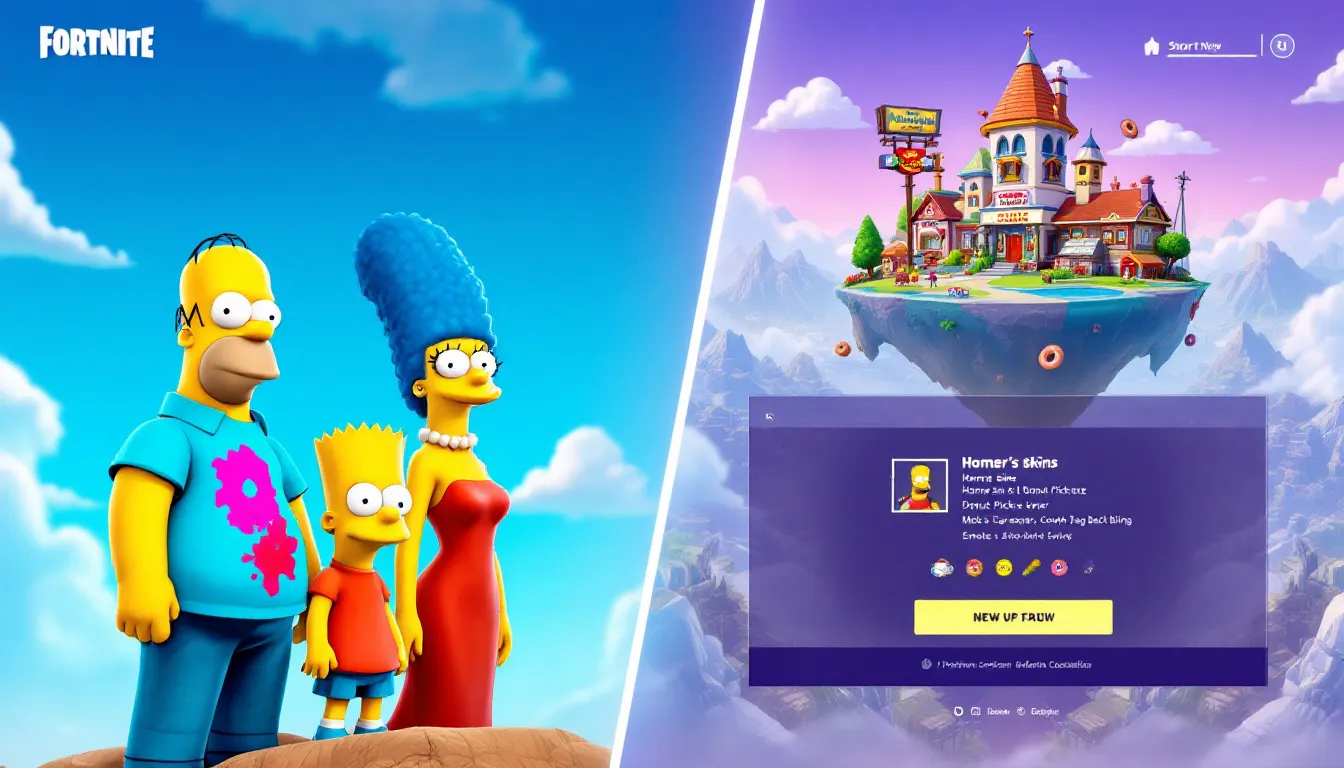
When two cultural giants collide, something special happens. The Simpsons and Fortnite joining forces isn’t just another cosmetic drop, it’s the kind of crossover that reminds you why live-service games keep pushing the envelope. Whether you’re here for nostalgia, competitive advantage, or just want Homer’s iconic yellow skin next to your battle-worn arsenal, this partnership delivers. The Simpsons have been a staple of pop culture for over three decades, and Fortnite’s commitment to hosting the biggest IP collaborations in gaming means you’re getting authentic content, not a half-baked tie-in. This guide breaks down everything you need to know about the crossover in 2026: what’s available, how to get it, and whether it’s worth your V-Bucks.
Table of Contents
ToggleKey Takeaways
- The Simpsons Fortnite crossover brings iconic Springfield characters as playable skins, back bling, pickaxes, and emotes, with both battle pass exclusive and Item Shop rotation options available throughout the season.
- Multiple Simpsons-themed map locations including the Simpson House, Kwik-E-Mart, and Springfield Nuclear Power Plant were integrated into Fortnite’s island with unique gameplay mechanics like Donut Power-ups in the limited-time Springfield Showdown mode.
- The Simpsons Fortnite collaboration appeals to multiple age groups—Gen Z players discovering the show through streaming and millennials reliving nostalgia—making it a cultural moment that bridges legacy media and modern gaming.
- Character skins like Homer, Bart, Lisa, Marge, Mr. Burns, and Ned Flanders cost around 1,200 V-Bucks each ($9.99+), with strategic pricing splitting cosmetics between the battle pass grind and direct Item Shop purchases.
- Building cohesive Simpsons-themed loadouts by pairing skins with matching back bling, pickaxes, and emotes creates intentional visual combinations that enhance your island presence and engagement with the crossover.
What Is The Simpsons Fortnite Crossover?
The Simpsons Fortnite crossover is a massive collaboration bringing characters, cosmetics, and limited-time content from Springfield into Fortnite’s island. Think of it as a cultural moment wrapped in gameplay, Epic Games secured licensing to feature the Simpson family in one of the largest gaming platforms on the planet. This isn’t just skins: it’s a full experience package that includes battle pass content, limited-time shop items, themed challenges, and special game modes.
For context, Fortnite’s crossover strategy has evolved significantly since its early days. The game has hosted everything from Marvel cinematic events to anime collaborations, each one pushing the boundaries of what you can do within a live-service shooter. The Simpsons crossover follows this template but with a twist: rather than a single-week event, Epic Games rolled out The Simpsons content across multiple seasons in 2026, allowing both newcomers and veterans plenty of time to grind.
The partnership makes perfect sense on paper. Fortnite’s player base spans multiple generations, there’s overlap between Gen Z players discovering The Simpsons through streaming culture and millennials who grew up watching the show. When gaming outlets covered the announcement, the reaction was split between people hyped for nostalgia and competitive players questioning whether cosmetics were worth the investment. Both responses are valid, but once you see Homer waddling across the map in his iconic pink donut-stained shirt, the appeal becomes obvious.
Available Skins And Cosmetics From The Simpsons
Playable Character Skins
Epic Games released multiple Simpsons character skins, with the lineup focusing on the core family and supporting characters. Here’s the breakdown:
• Homer Simpson, The headline skin, available in both his standard outfit and alternate styles including his work uniform from the nuclear plant. This is the most sought-after cosmetic from the crossover.
• Marge Simpson, Features her iconic blue hair and pearls, with an alternate style depicting her in a more athletic outfit for the island setting.
• Bart Simpson, Includes his skateboard-ready look with multiple style options reflecting different episodes from the show’s 30+ season run.
• Lisa Simpson, The intellectual of the family, available with her trademark red dress and saxophone-wielding alternate styles.
• Mr. Burns, The villain addition, complete with his menacing aesthetic and rare alternate corporate outfit.
• Ned Flanders, The wholesome neighbor skin, featuring his characteristic mustache and preppy polo shirt.
Each skin comes with unique idle animations and victory poses that capture the character’s personality. For instance, Homer’s default emote involves him doing his signature “D’oh.” animation, while Bart’s victory pose references his skateboard tricks. These details matter, cosmetics in Fortnite aren’t just about looking different: they’re about how you carry yourself on the island.
Skins are also tied to specific availability windows. Some were exclusive to battle pass tiers, while others rotated through the Item Shop. Check your locker regularly: Epic frequently reruns cosmetics from past crossovers.
Back Blings And Pickaxes
Back bling is where The Simpsons crossover gets creative. Rather than just slapping a character backpack on every skin, Epic designed themed cosmetics that fit the Fortnite aesthetic while maintaining the show’s visual identity.
• Simpsons Family Photo, A back bling that’s literally a framed photo of the entire family, available as a standalone cosmetic.
• Kwik-E-Mart Bag, A backpack designed to look like a convenience store logo, perfect for pairing with non-Simpsons skins.
• Couch Gag Back Bling, References the show’s famous opening sequence, featuring a stylized couch with The Simpsons sitting on it (scaled down for your character’s back, obviously).
Pickaxes followed suit with Springfield-themed harvesting tools:
• Donut Pickaxe, A giant pink donut you swing around, leaving sparkle trails as you farm materials.
• Krusty Bat, A baseball bat styled after Krusty the Clown’s brand, featuring his distinctive makeup colors.
• Mr. Burns’ Cane, An elegant pickaxe styled after the villain’s walking stick, perfect for the power-gamer aesthetic.
These tools aren’t just cosmetic fluff. When you’re grinding materials in the mid-game, you want something that makes the grind feel intentional. The donut pickaxe, in particular, became a status symbol among players who prioritized the Simpsons collab.
Emotes And Other Cosmetics
Emotes in Fortnite are the language of the island. They’re how you celebrate eliminations, BM (bad manners) opponents, and kill time during pre-match lobbies. The Simpsons emotes lean into the show’s comedic timing:
• Couch Gag Emote, Players sit on an invisible couch in Fortnite’s signature opening sequence pose, complete with the theme song playing at reduced volume.
• D’oh. Emote, A quick taunt featuring Homer’s iconic frustrated gesture.
• Eat My Shorts Emote, Bart’s rebellious catchphrase brought to life.
• Itchy and Scratchy Dance, A chaotic emote referencing the violent cartoon-within-a-cartoon from the show.
Beyond emotes, Epic included:
• Loading Screens, Multiple lobby backgrounds featuring Springfield locations like the Kwik-E-Mart, Moe’s Tavern, and the Simpson household.
• Sprays, Paintable decals you place on surfaces, featuring classic Simpsons moments and character expressions.
• Contrails, The particle effects trailing behind you during skydive, designed to look like donuts or Krusty the Clown makeup.
• Music Packs, The Simpsons theme song as a replacement for the default lobby music, plus remixed versions for in-game combat.
How To Unlock And Purchase Simpsons Items
Battle Pass Content Vs. Shop Items
Understanding how Fortnite monetizes crossover content is crucial if you’re trying to maximize value. The Simpsons items were split between two acquisition models: battle pass-exclusive and Item Shop-exclusive.
Battle Pass Content landed in the premium track of Fortnite Chapter 6 Season 3 (the season during which The Simpsons collab ran heavy). If you purchased the battle pass, you unlocked cosmetics by playing and leveling up. Generally, you’d find one major skin (usually Homer) at a mid-tier level (around Tier 40-50), with back bling and smaller cosmetics scattered throughout. The benefit here is predictability, once you buy the pass, all battle pass content is unlocked through gameplay, not additional spending.
Item Shop Content rotated on a schedule, meaning certain skins (like alternate versions or less-featured characters) dropped in the shop on specific dates. Shop items required V-Bucks to purchase directly, with no grind component. These cosmetics typically sold for:
• 1,200 V-Bucks for single character skins
• 800 V-Bucks for weapons, pickaxes, and back blings
• 200-500 V-Bucks for emotes and sprays
The split strategy ensures casual players can grab a few items through the battle pass, while completionists fork over cash for everything else.
V-Bucks Cost And Pricing
V-Bucks are Fortnite’s premium currency, and the pricing structure is worth understanding before you commit. Here’s what you need to know:
V-Bucks Bundle Breakdown:
• 1,000 V-Bucks, $9.99 (standard price, no bonus)
• 2,500 V-Bucks, $24.99 (standard price)
• 5,000 V-Bucks, $39.99 (standard price)
• 13,500 V-Bucks, $99.99 (occasionally bundled with battle pass for discounts)
If you wanted to grab Homer, Marge, Bart, Lisa, Mr. Burns, and Ned Flanders during their shop rotations, you’re looking at roughly 7,200 V-Bucks minimum, which translates to around $72 at standard rates. That’s a significant investment, so most players cherry-pick their favorites rather than going full completionist.
Here’s a pro tip: battle pass bundles occasionally offer discounts if you haven’t spent money on Fortnite in a while. Check your account’s promotions tab before spending. Also, if you earned V-Bucks from the free battle pass (yes, you get some back if you complete it), you can cycle your spending to offset costs.
One more thing, Item Shop rotation means if you miss a cosmetic during its initial run, you’ll usually see it return within 30-60 days. Patience sometimes saves money, though popular items like Homer can take months to reappear if they were limited-time exclusives.
Limited-Time Events And Gameplay Features
Themed Challenges And Rewards
Fortnite’s crossover events always include themed challenges that reward cosmetics, XP, and bragging rights. The Simpsons crossover didn’t disappoint. Epic Games rolled out two tiers of challenges: free and premium.
Free Challenges:
• Eliminate opponents while wearing any Simpsons skin (standard grind, nothing fancy)
• Land at Springfield-themed locations 15 times (more on those below)
• Open supply drops in specific POIs
• Deal damage with assault rifles or sniper rifles
• Complete matches without using shields (skill check challenge)
Free challenges rewarded cosmetics like the Couch Gag Loading Screen and some XP drops. Nothing groundbreaking, but free cosmetics are free cosmetics.
Premium Battle Pass Challenges:
These were exclusive to battle pass holders and required more specificity:
• Emote at the Kwik-E-Mart for 10 seconds (landmark-based, timing element)
• Deal 200 damage to opponents using weapons found in Moe’s Tavern (weapon-location specific)
• Collect “Donuts” (special item spawns) across three different matches
• Finish eliminations with pickaxes that originated from The Simpsons collab
• Dance in front of the couch at the Simpson house for 15 seconds
Completing all premium challenges unlocked unique cosmetics like the Itchy and Scratchy emote and exclusive variants of Homer’s skin (neon version, space suit alternate, etc.).
The challenge structure was designed to keep players engaged across multiple weeks, forcing you to explore different areas of the map and try different weapons. If you strictly played one landing spot with one loadout, you’d be grinding these challenges longer than someone who varied their gameplay.
Special Modes And Map Updates
Beyond standard battle royale, Epic added a limited-time mode (LTM) called “Springfield Showdown” that lasted roughly 2-3 weeks. Here’s what made it different:
Map Changes:
• Springfield was fully integrated into the island with multiple new named locations:
- The Simpson House (small compound with iconic interior design)
- Kwik-E-Mart (convenience store POI with loot density improvements)
- Moe’s Tavern (bar location with unique weapon spawns)
- Springfield Nuclear Power Plant (industrial complex for mid-game rotations)
- Springfield Elementary (school-themed area with unique vending machines)
These locations weren’t just reskins of existing areas: they had unique chest placements, NPC spawns, and visual theming that reflected the show. The Simpson House, for instance, featured Homer’s bedroom, Marge’s kitchen, and the iconic living room with the TV.
Gameplay Tweaks for Springfield Showdown:
• Increased supply drop rates in Springfield locations
• Unique weapon: the Krusty Blaster (a comedic-themed shotgun with low damage but high knockback, designed for chaotic gameplay)
• NPC spawns of Simpsons characters who offered quests and dialogue (talking to Ned Flanders in-game was surreal, hearing voice lines from the actual voice actors)
• Modified shield mechanics, instead of traditional shields, you collected “Donut Power-ups” that regenerated 25 health per pickup
The Donut Power-up mechanic fundamentally changed how you approached fights in Springfield locations. Instead of playing defensively behind walls, players were incentivized to stay mobile and hunt donut pickups during engagements. This shifted the meta slightly in those POIs, making them chaotic and fun rather than strategic.
Event Timeline:
The initial rollout ran for 4 weeks (Weeks 1-4 of the season), with a mid-event refresh in Week 2 that added new cosmetics to the shop and rebalanced the Krusty Blaster (it was overtuned on launch). A second, smaller event happened during Weeks 6-7 of the season as a callback, though with fewer new rewards.
For competitive players, these LTMs were throwaway content, you couldn’t use the Krusty Blaster in Arena or tournament play, so ranked grinders ignored them. Casuals, but, used the events as an excuse to mess around, complete challenges, and experience the crossover in its fullest form.
Why The Simpsons And Fortnite Partnership Makes Sense
Brand Synergy And Cultural Impact
On the surface, The Simpsons and Fortnite seem like mismatched collaborators. The Simpsons is a three-decade-old animated sitcom: Fortnite is a modern battle royale. But dig deeper and the synergy becomes obvious.
Both franchises have successfully transcended their original medium. The Simpsons evolved from a one-off sketch on “The Tracey Ullman Show” into a cultural phenomenon that comments on current events in real-time. Fortnite did the same, it started as a response to PUBG and morphed into the primary platform for gaming culture events, celebrity performances, and crossover moments. When Travis Scott performed a virtual concert inside Fortnite in 2020, it wasn’t just a gaming moment: it was a cultural milestone that reached mainstream media.
The Simpsons has that same gravitational pull. Articles about The Simpsons’ commentary on current politics show up in real news outlets. The show’s cultural relevance means bringing it into Fortnite isn’t a niche play, it’s a statement that gaming culture has become mainstream culture.
From a brand perspective, Epic Games gets credibility from associating with 30+ years of quality storytelling. The Simpsons franchise, even though some criticism about declining quality in recent seasons, still carries cultural weight that newer IPs struggle to match. Meanwhile, The Simpsons gets exposure to hundreds of millions of Fortnite players, a demographic that skews young and engaged with pop culture.
Cultural impact manifests in surprising ways. During the crossover event, clips of players reacting to seeing Homer or Bart in-game trended on social media. Gaming outlets and mainstream press covered the collaboration. The intersection of two cultural titans generates buzz that benefits both properties. When coverage from Polygon or Kotaku picks up a crossover, it signals to casual audiences that the moment matters.
Target Audience Overlap
Fortnite’s audience is deceptively diverse. While the game skews younger (average age around 16-24), it’s also played by adults who grew up with the original PlayStation and watching The Simpsons on Sunday nights. There’s significant generational overlap that makes this partnership perfect.
Gen Z Players (born 1997-2012): They discovered The Simpsons through streaming platforms, YouTube compilations, and cultural osmosis. They weren’t watching live broadcasts in the ’90s, but they understand the show’s cultural significance. For them, The Simpsons cosmetics in Fortnite represent a touchstone of legacy media, a way to engage with pop culture their older siblings and parents experienced. That nostalgia, even secondhand, has appeal.
Millennials (born 1981-1996): This is the core audience that watched The Simpsons during its peak years. They grew up with Homer, Marge, and the rest of Springfield. They’re also the age range that has disposable income and plays competitive games seriously. For them, The Simpsons cosmetics hit different, it’s genuinely nostalgic, not just culturally aware.
Casual vs. Hardcore Players: The Simpsons crossover appealed to both segments. Casual players grabbed a Homer skin because it made them smile. Competitive players used the cosmetics as a way to engage with pop culture without sacrificing their ranking grind. No cosmetic in Fortnite provides a mechanical advantage, so everyone’s on equal footing, it’s pure aesthetic choice.
Cultural Interest: The Simpsons has always attracted viewers interested in commentary, satire, and intelligent humor. Fortnite, meanwhile, attracts players who value creative expression and cultural moments. The overlap between people who appreciate The Simpsons’ satirical edge and people who appreciate Fortnite’s willingness to host unprecedented cultural events is substantial.
There’s also the practical angle: gaming outlets like Dexerto reported that crossover cosmetics consistently drive engagement spikes. Players who might have taken a break from Fortnite returned to experience the event. New players jumped in specifically for The Simpsons content. From Epic’s perspective, the partnership is a guaranteed engagement boost.
Tips For Getting The Most Out Of The Crossover
Building Your Perfect Simpsons-Themed Loadout
Once you’ve grabbed some Simpsons cosmetics, the fun part is mixing and matching to create cohesive loadouts. Here’s how to build combinations that look intentional rather than slapped together.
The Homer Loadout:
• Skin: Homer Simpson (nuclear plant outfit preferred for visual contrast)
• Back Bling: Couch Gag Back Bling
• Pickaxe: Donut Pickaxe
• Emote: D’oh. (for when you get eliminated)
• Contrail: Donut contrail
• Glider: Any colorful glider: the donut theme ties it together
This loadout is maximally thematic. Every piece references Homer directly. When you land with this setup, you’re fully committed to the bit.
The Bart Loadout (Aggression-Focused):
• Skin: Bart Simpson (skateboard variant)
• Back Bling: Kwik-E-Mart Bag
• Pickaxe: Krusty Bat
• Emote: Eat My Shorts
• Contrail: Neon contrail (Bart’s got personality)
Bart’s skateboard outfit gives off aggressive energy. Pair it with the Krusty Bat and you’ve got a cohesive “chaotic neutral” vibe. This loadout works for aggressive landing strategies and early-game fragging.
The Lisa Loadout (Intellectual Aesthetic):
• Skin: Lisa Simpson
• Back Bling: Simpsons Family Photo
• Pickaxe: Mr. Burns’ Cane (for ironic contrast)
• Emote: Intelligence-suggesting emote or Couch Gag
• Music Pack: Simpsons theme (nerd cred)
Lisa paired with Mr. Burns’ cane creates an unexpected contrast. You’re looking sophisticated while swinging a villain’s walking stick. It works.
Cross-Cosmetic Mixing (Advanced):
Not every combo needs to be fully themed. Consider:
• Marge skin + any futuristic back bling = sci-fi contrast
• Any Simpsons skin + Valorant crossover pickaxe = unexpected clash that works
• Mr. Burns skin + dark, edgy emotes = villain energy
The key is intentionality. If you mix cosmetics, make sure there’s a visual reason, color coordination, thematic coherence, or deliberate irony. Random mixing looks unfinished.
Maximizing Battle Pass Progression
Battle pass progression is a grind, but with the right strategy, you can unlock cosmetics efficiently without burning out.
Daily and Weekly Challenges:
These are your bread and butter. Complete all daily challenges (usually takes 15-30 minutes) and prioritize weekly challenges that align with your preferred gameplay style. Don’t force yourself to play modes you hate just for XP.
Efficient Landing Strategies:
For location-based challenges (“Land at Kwik-E-Mart 15 times”), don’t drop unnamed areas. Land directly at the named POI, loot quickly, and eliminate yourself if necessary. Speedrunning challenges is faster than playing full matches. You’ll respawn and try again.
Weapon-Specific Challenges:
If a challenge requires “eliminate opponents with assault rifles,” hot-drop high-density areas and hunt kills immediately. Early-game chaos is your friend for these challenges. Conversely, if a challenge involves shield-related tasks, land safely, loot methodically, and engage in mid-game where fights are more sustainable.
Team Strategies:
Squads make some challenges trivial. If you’re grinding “eliminate opponents wearing any Simpsons skin,” play Squad Fills and coordinate with teammates. Four people hunting kills is faster than solo. If your team is trustworthy, they might help you land at specific locations by sticking together.
STW and Creative XP:
Fortnite Save the World (if you own it) grants massive amounts of XP. Even one mission per day adds up. Creative mode also offered XP during the crossover event. These aren’t glamorous, but they’re passive income that accelerates battle pass leveling.
XP Boosters:
Fortnite occasionally offers XP boosters in the Item Shop (usually for 200-500 V-Bucks). A 25-50% XP boost over a few days can push you several tiers. Do the math before buying, if you need 5 more tiers and a booster costs $5, is it worth it? For most players, just completing challenges naturally is better value.
Tier-Up Shortcuts:
Epic Games lets you skip tiers by spending V-Bucks (usually 150 V-Bucks per tier). This is the least efficient way to unlock cosmetics but useful if you’re close to a deadline and have cash to burn. Don’t rely on this for every cosmetic unless money is truly no object.
Time Management:
If you’re playing casually, don’t stress about completing every challenge. Battle passes don’t expire immediately after a season ends, you can usually finish them for weeks into the next season. Focus on cosmetics you actually care about, then move on. Forcing yourself to complete challenges you dislike burns you out and ruins the fun of the crossover.
Conclusion
The Simpsons and Fortnite partnership in 2026 represents more than just a cosmetic drop, it’s a validation that gaming culture has become mainstream culture. When a show that’s been relevant for over 30 years collaborates with the world’s biggest battle royale, it signals that the intersection of gaming and traditional media is no longer novelty: it’s the norm.
For players, the crossover offers practical value: cosmetics that look great, challenges that keep you engaged, and limited-time content that creates urgency without feeling exploitative. Whether you’re grinding for Homer’s skin, completing the Springfield Showdown event, or just appreciating the cultural moment, there’s something here for every type of gamer.
The beauty of Fortnite’s crossover strategy is that it respects different engagement levels. You don’t need to spend money to enjoy the event. You don’t need to play 12 hours a day to unlock cool cosmetics. And if you do want to go all-in, the pricing is transparent and the value proposition is clear.
As the gaming landscape continues to evolve, expect more collaborations like this. The Simpsons and Fortnite proved that when two cultural forces align, the result resonates across demographics that usually don’t overlap. If you haven’t experienced the crossover yet, there’s still time to grab cosmetics from the rotating Item Shop. And if you’re a Simpsons fan who’s never tried Fortnite? This might be the moment to jump in. The island’s never been more fun, and donuts have never been so coveted.