The Double Helix shotgun has carved out a unique place in Fortnite’s ever-shifting meta, and for good reason. This exotic weapon doesn’t just hit hard: it fundamentally changes how you approach close-quarters combat. Whether you’re grinding arena matches or hunting Victory Royales in public lobbies, understanding when and how to wield the Double Helix separates players who get lucky with pickups from those who genuinely dominate with it. This guide breaks down everything: exact stats, where to find it, combat strategies that actually work, and the mistakes most players make that cost them engagements. By the end, you’ll know whether the Double Helix belongs in your loadout and how to leverage it like a competitive player.
Table of Contents
ToggleKey Takeaways
- The Double Helix shotgun rewards precision and positioning over spray-and-pray chaos, making it a skill-based weapon that separates competitive players from casual grinders.
- With 68 damage per pellet, a 1.5-second fire rate, and a predictable spread pattern, the Double Helix excels in mid-range duels and edited wall peeks rather than close-quarters chaos.
- Find the Double Helix at high-tier POIs like Rave Cave, Frenzy Fields, and Grand Glacier, or through Exotic chests and NPC traders using gold bars.
- Pair the Double Helix with an Assault Rifle to cover mid-to-long range, and prioritize healing items to sustain the close-range fights this weapon enables.
- Master the Double Helix through Creative mode aim practice and rotation timing around map control—the weapon’s effectiveness mirrors your personal mechanical skill and positioning discipline, not raw damage output.
- Avoid common mistakes like spam-firing at distant targets, burning all six rounds in one engagement, or solo-pushing without backup, as the Double Helix demands intentional, measured gameplay.
What Is The Double Helix Shotgun?
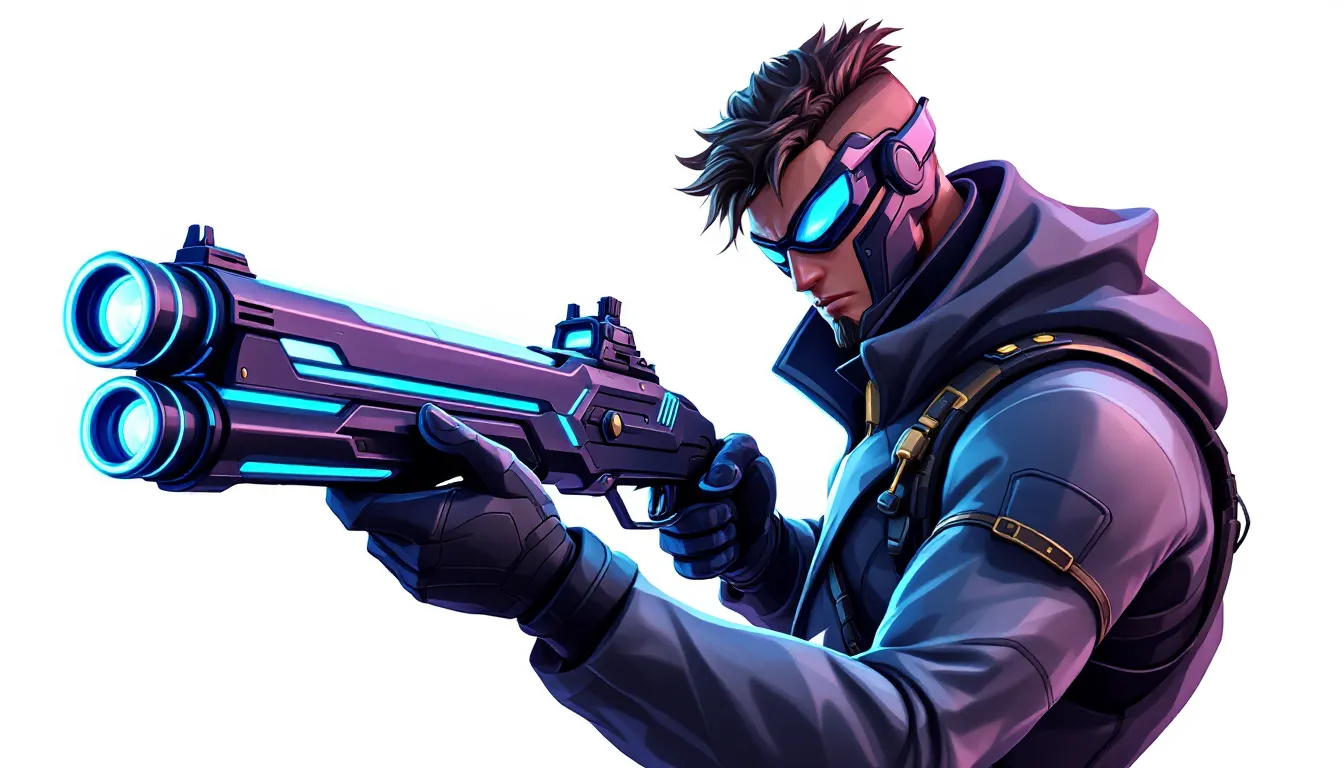
The Double Helix is an exotic shotgun that rewards aggression and positioning over spray-and-pray chaos. Unlike standard shotguns that feel interchangeable, the Double Helix comes with a distinctive mechanic: it fires in a tightly controlled pattern that demands precision. It’s not the highest-DPS shotgun in the game, but it’s incredibly consistent, a trait that makes it invaluable in competitive settings where reliability matters more than raw spike damage.
This weapon fundamentally changed how top-tier players approach shotgun duels. Instead of relying on RNG pellet spread, the Double Helix’s predictable pattern lets skilled players capitalize on aim training and movement. It’s the kind of weapon that feels weak in the hands of someone spraying randomly but devastating when wielded by someone who understands timing and range.
The Double Helix shines most in mid-range fights where traditional shotguns fall short. It bridges the gap between close-quarters dominance and medium-range skirmishes, making it flexible enough to fit multiple playstyles. For players who build aggressively and peek-shot from edited walls, this weapon is tailor-made.
Weapon Stats And Rarity Overview
The Double Helix operates at Mythic rarity, meaning it’s powerful but rare. In early 2026, the stats remain balanced around Fortnite’s current patch ecosystem. Here’s what you’re actually getting when you pull this weapon:
Damage Output And Fire Rate
The Double Helix deals 68 damage per pellet with a 1.5-second fire rate between shots. That translates to roughly 340 DPS if all pellets connect, respectable but not off-the-charts compared to legendary shotguns. What makes the damage output dangerous is consistency. Unlike traditional shotguns where pellet spread varies wildly, the Double Helix’s fixed pattern means you’re reliably landing shots at ranges where other shotguns whiff entirely.
The fire rate sits in that sweet spot: fast enough to punish poor positioning but slow enough that spam isn’t a viable strategy. This forces deliberate, measured gameplay. You can’t hold down the trigger and hope. Every shot needs intention.
Magazine Capacity And Reload Speed
You get 6 rounds in the magazine and a 2.1-second reload time. That’s tighter than most shotguns currently in the meta. Running out of ammo mid-fight feels brutal with only six rounds, so positioning and burst discipline matter. If you miss your first shot in a peek-duel, you’ve burned precious time.
The reload speed pushes you toward engaging fully prepared. You’re not sprinting between fights trading auto-fire with enemies: you’re choosing your moments. This builds a more methodical playstyle that newer players sometimes struggle with but competitive players thrive on.
How To Find And Obtain The Double Helix
Finding the Double Helix isn’t as simple as looting any chest. Exotic weapons in Fortnite operate under specific spawn rules, and the Double Helix follows those patterns consistently.
Loot Locations And Drop Spots
The Double Helix spawns at named POIs with high-tier loot tables. Your best bets are:
- Rave Cave, One of the most reliable spawn locations. Hit the underground vault area first.
- Frenzy Fields, Multiple chests and supply drops favor weapon spawns here.
- Grand Glacier, Less contested than Rave Cave, still solid spawn rates.
- Steamy Springs, Mid-game hot drop with decent exotic potential.
Not every match will have the Double Helix available at your first choice location. Loot tables rotate with patches, and weapon availability isn’t guaranteed. If you’re hunting it specifically for arena or ranked mode, expect to contest high-tier areas where other sweaty players also drop. Solo dropping the Double Helix spawn is often safer than jumping popular drop zones, but you’ll miss out on eliminations early.
Mythic Alternative Methods
If ground loot isn’t cooperating, Mythic weapons sometimes appear in Exotic chests. These chests spawn at specific high-value locations and require matching keystones (found throughout the map). Check recent patch notes, the exact spawn mechanics shift with updates, but Exotic chests have historically guaranteed one Mythic or Exotic weapon per match.
Another angle: NPC traders occasionally stock exotic weapons in exchange for gold bars. Talk to NPCs at major POIs and check their inventories. This is less reliable than chest spawns but works if you’re desperate and swimming in gold early game.
For competitive grinders, understanding loot RNG and hot-dropping exotic spawns is part of the skill ceiling. You’re not just fighting opponents: you’re fighting RNG for resources.
Combat Strategies And Loadout Tips
Holding a Double Helix fundamentally changes your approach to fights. This isn’t a “pick it up and immediately hard-engage” weapon. It rewards patience and setup.
Best Engagements For The Double Helix
The Double Helix excels in edited wall peeks and controlled rotations. Picture this scenario: you’ve built a box, your opponent is playing tight. You edit a wall, peek for 0.5 seconds, fire once, and retract. One well-placed Double Helix shot disrupts their health bar enough to force a heal or reposition. That’s the weapon’s bread-and-butter.
Mid-range duels are its sweet spot. At ranges where SMGs start dropping off and ARs aren’t optimal, the Double Helix lands consistent damage. If you’re fighting someone 15-20 meters away behind partial cover, this weapon puts pressure they can’t ignore.
Close-quarters scenarios inside buildings or tight terrain also favor the Double Helix. The predictable spread means you’ll hit more pellets in confined spaces where traditional shotguns suffer from spread variance.
Pairing With Other Weapons
Your loadout around the Double Helix should account for its weaknesses. Pair it with:
- Assault Rifles (AR), Your primary for mid-to-long range. When the opponent closes distance, swap to the Double Helix for finishing power.
- Sniper Rifles, If you’re a peek-shot specialist, snipers complement the Double Helix’s single-shot precision mentality.
- Healing Items, Prioritize shields and medkits over utility. The Double Helix forces close fights where healing matters.
Avoid pairing it with SMGs unless you’re running a short-range aggro build. Two close-range weapons leave you vulnerable at medium range. The Double Helix already covers short-to-mid range: fill the gap it creates.
Recent esports analysis from Dexerto highlights that pro players often build their entire rotations around mythic weapon pickups, treating them as team resources rather than individual power spikes.
Building And Movement Advantages
The Double Helix thrives with aggressive building and quick edits. Fast edits + Double Helix shots = overwhelming pressure. Your opponents have limited time to react between edits, and the weapon’s reliable damage punishes hesitation.
Movement-wise, the Double Helix synergizes with mantling and crouch-peek mechanics. Lower your profile, peek over cover, fire one shot, drop back. The slow fire rate means you’re not wasting ammo on spam: every shot counts. This disciplined approach actually improves your positioning because you’re thinking before acting.
Building defensive walls after landing a shot is crucial. Don’t chase follow-up shots unless you’ve gained a clear advantage. The Double Helix rewards you for controlling space, not for raw aggression. Build, pressure, reset, repeat.
Advanced Techniques For Competitive Play
Competitive Fortnite demands mastery of positioning and timing. The Double Helix separates good players from great ones through execution of specific mechanics.
Flick Shots And Close-Range Mechanics
The flick shot with the Double Helix is different from traditional shotgun flicks. Because the weapon fires in a predictable spread rather than random pellets, your crosshair positioning matters more than pure flick speed. Aim for the upper chest: let the spread handle legs and arms. Muscle memory built from shotgun practice doesn’t fully transfer, you need to retrain around the Double Helix’s specific ballistics.
Close-range mechanics involve understanding charge-up windows. The Double Helix fires on a timer. Timing your peek to align with the moment you’re ready to fire prevents wasted frames. Veterans of hitscan weapons (sniper rifles, tac rifles) transition smoother because the timing discipline carries over.
Practice in creative mode: set up a box, place an opponent dummy, and practice edit-peek-shoot cycles. Aim for consistency over flashiness. Landing five clean Double Helix shots beats landing two crazy flicks.
Positioning For Maximum Impact
Map control around the Double Helix means controlling high-ground and natural cover. Elevated positions let you pressure enemies above who can’t effectively duel downward at shotgun range. Conversely, if you’re low-ground, use natural obstacles (rocks, buildings, terrain) to force your opponent into close-range fights where the Double Helix dominates.
Territory control matters. Don’t carry the Double Helix and wander. Plant yourself in a location where opponents must engage you, like rotating around a POI or holding a chokepoint. Your weapon works best when enemies approach on your terms.
Rotation timing also impacts Double Helix effectiveness. During final circles where space compresses, the weapon becomes oppressive because everyone’s forced into close-range engagement. Time your positioning to benefit from zone movement rather than fighting it.
Double Helix Performance In Different Game Modes
The Double Helix’s effectiveness shifts depending on the competitive environment. Understanding these nuances matters for mode-specific strategy.
Arena And Ranked Modes
In Arena and Ranked, the Double Helix occupies a unique role. It’s not the go-to weapon for most matches, but when you secure it early, it accelerates your elimination count. Players in higher divisions (Champions League, Elite) understand the Double Helix’s potential better and contest spawns accordingly.
Arena’s faster-paced rotations mean you’re fighting frequently and immediately. The Double Helix rewards clean aim because you don’t have luxury time to recalculate positioning. A single well-landed shot separates victory from respawn. Ranked matches demand similar precision, and the weapon fits that expectation.
The economic system in Arena (shared team resources) makes Double Helix pickups team events. If one player secures it, the entire squad rotates around that player for 2-3 fights. Professional teams allocate resources to whoever’s most comfortable with the weapon’s mechanics. If that’s you, you become the squad’s primary engagement tool.
Team Battles And Squad Coordination
Squad gameplay amplifies the Double Helix’s value. While one player runs it, teammates provide cover fire with ARs and utility. The Double Helix player hard-engages while squad mates suppress from distance. This creates crossfire scenarios where enemies can’t effectively counter both threats simultaneously.
Communication matters: “Double Helix player pushing, cover left side.” Teammates understand the weapon isn’t for spam: it’s a setup tool for coordinated offense. A well-timed Double Helix shot disrupts enemy formation, and the squad capitalizes with follow-up fire.
Large team modes (Team Rumble, 50v50) actually diminish the Double Helix’s effectiveness because chaos dominates over precision. The weapon shines in structured, coordinated scenarios where positioning matters. Random team fights are where sniper rifles and explosive weapons outvalue consistency.
Comparison With Other Shotguns
The shotgun landscape in Fortnite includes several viable options. Knowing how the Double Helix stacks up helps you make informed weapon choices in split-second decision moments.
Double Helix Vs. Legendary Alternatives
Double Helix vs. Legendary Pump Shotgun:
- Pump: Higher spike damage (110+ per pellet), slower fire rate, spread varies with distance
- Double Helix: Lower per-pellet damage, faster fire rate, predictable spread
The Pump wins raw duels if both players have equal aim: the Double Helix wins sustained fights where follow-up shots matter.
Double Helix vs. Tactical Shotgun:
- Tac: Rapid fire (0.85s), lower damage per shot, wider spread
- Double Helix: Slower, higher consistency, better mid-range effectiveness
The Tac excels in boxes where spam pressure works. The Double Helix excels in peaks and structured engagements.
Double Helix vs. Combat Shotgun (if available):
- Combat: Balanced damage and fire rate, solid all-around
- Double Helix: More specialized, higher skill ceiling, better for competitive
Combat shotguns are safer picks if you’re inexperienced. The Double Helix rewards practice.
Resources like Game8 maintain updated tier lists for current meta weapons, and the Double Helix’s ranking depends heavily on patch balance and available alternatives.
When To Choose The Double Helix Over Other Options
Choose the Double Helix when:
- You’re confident in your aim mechanics and prefer consistency over RNG
- You’re playing competitive modes where precision matters
- Your playstyle revolves around edits and peek-shot engagements
- You want to pressure opponents at medium-close range reliably
Skip it if:
- You prefer aggressive, spam-oriented shotgun gameplay (use Tac)
- You’re grinding casual modes and farming eliminations matters more than clean mechanics
- You haven’t invested time in shotgun aim practice
- You’re uncomfortable with slower fire rates
Meta shifts constantly. Check patch notes and competitive tournament results before committing to the Double Helix as your primary weapon. If top pros abandon it, there’s usually a balance reason worth understanding.
Common Mistakes And How To Avoid Them
Even solid players fumble the Double Helix through predictable errors. Recognizing these mistakes accelerates your learning curve.
Mistake #1: Spam-Firing at Distant Targets
The Double Helix isn’t a long-range weapon. Players often waste ammo trying to damage opponents 30+ meters away. The pellet spread doesn’t apply compensation at distance. Use an AR instead. Only engage with the Double Helix when distance is roughly 15-25 meters or less, where your spread pattern delivers meaningful damage.
Mistake #2: Ignoring Reload Windows
With only six rounds and a 2.1-second reload, you’re vulnerable mid-magazine. Don’t burn all six shots against one opponent, expecting a reload-and-repeat. Fire 2-3 shots, disengage, reposition, reload safely. Players who spray all six rounds then panic-reload mid-fight hand opponents free eliminations.
Mistake #3: Solo-Pushing Without Backup
The Double Helix encourages confidence, and confidence tempts overextension. You can’t solo hard-push a defensive squad without support. Use the weapon to leverage superior positioning, not to compensate for poor decision-making. Even pros know when to hold ground rather than force an unwinnable fight.
Mistake #4: Forgetting Mid-Range Optimization
Some players treat the Double Helix like a traditional close-range shotgun, sprinting at enemies head-on. This approach loses to coordinated teams with covering fire. Instead, leverage the weapon’s mid-range strength. Force fights at 15-20 meters where your consistency outvalues their AR’s erratic grouping. Patience beats panic.
Mistake #5: Not Accounting for Recent Patches
Fortnite updates constantly. A strategy that worked last month might be obsolete this patch. Stay informed through patch notes and community resources like Twinfinite, which publishes detailed guides reflecting current balance. What applies in March 2026 might shift by April 2026.
Mistake #6: Ignoring Aim Practice
The Double Helix has a high skill floor because its damage ceiling depends on hit consistency. Players who skip aim training in Creative mode often find the weapon underperforming. Dedicate 15-20 minutes daily to shotgun mechanics. Your actual mechanical skill determines the Double Helix’s value, not the weapon’s inherent power.
The weapon doesn’t carry players: players carry the weapon. Double Helix performance mirrors personal discipline and training investment. That’s why competitive players respect it, it rewards dedication.
Conclusion
The Double Helix represents everything rewarding about high-skill-ceiling weapons in Fortnite. It’s not the easiest shotgun to use, and it’s not the most forgiving. What it is: reliable, consistent, and devastatingly effective when wielded by someone who’s invested the practice time. Whether you’re climbing ranked divisions or competing in arena, understanding the Double Helix’s role in your loadout matters. This isn’t a weapon you pick up and immediately hard-engage with: it’s a tool you’ve trained with, positioned around, and deployed strategically.
The meta will shift. Patches will change damage numbers. Alternatives will emerge. But the fundamental principle remains: precision beats chaos, and the Double Helix rewards players who understand that philosophy. If your playstyle values clean mechanics, intentional decisions, and methodical engagements over spray-and-pray randomness, the Double Helix belongs in your rotation. Spend time in Creative practicing it, study how competitive players leverage it, and treat it as a weapon that separates skilled players from grinders. That investment pays dividends across every game mode, and that’s why veterans still respect the Double Helix even when flashier weapons dominate the headlines. Like Fortnite’s evolution, the Double Helix thrives when you commit to mastering its nuances rather than chasing whatever’s trending. Master it, and you’ve equipped yourself with one of the game’s most reliable finishing tools.