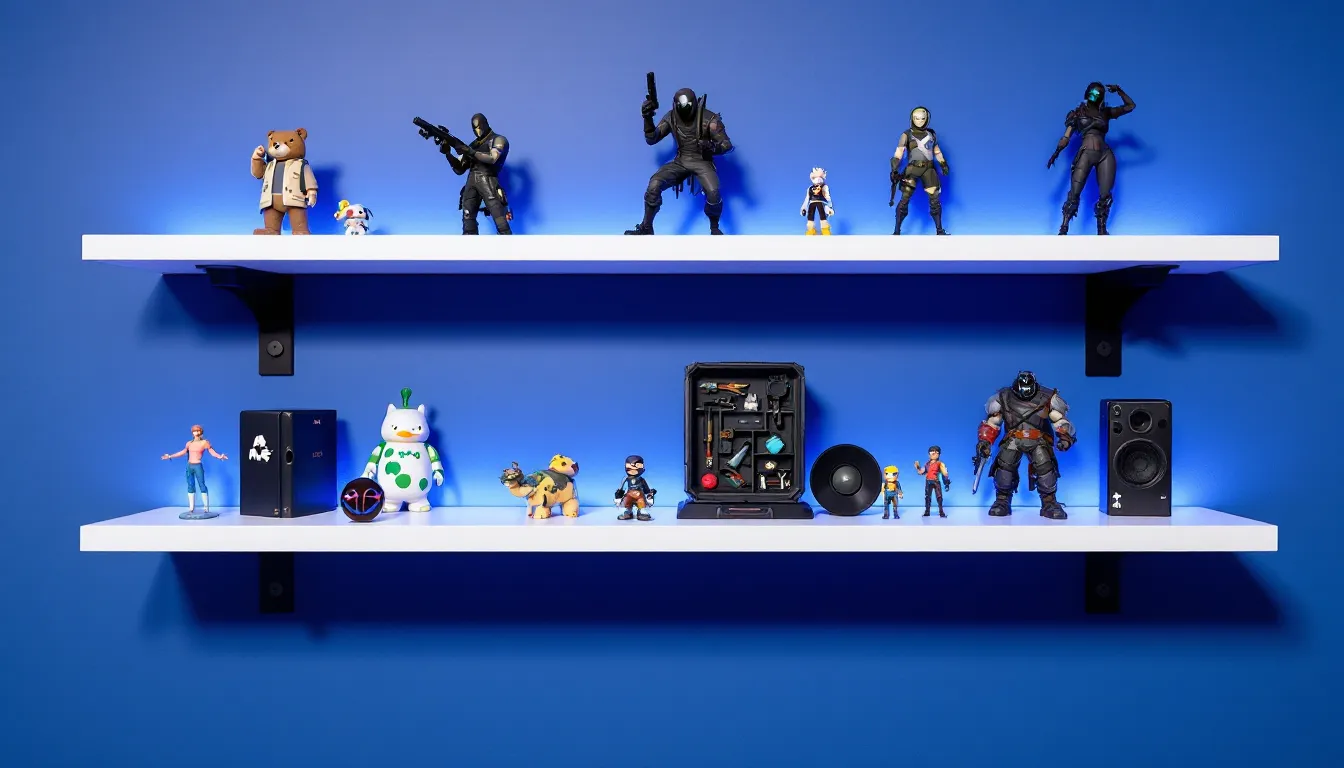
Fortnite has dominated the gaming landscape for years, but the franchise’s reach extends far beyond the battle royale itself. If you’ve logged countless hours landing at Tilted Towers or sweating through competitive matches, chances are you’ve noticed the physical merchandise ecosystem that surrounds the game, particularly Fortnite figures. These collectible statues have transformed from simple promotional toys into serious collector’s items, with some commanding impressive secondary market prices. Whether you’re a casual fan looking to grab a figure of your favorite skin or a dedicated collector hunting for rare variants, the world of Fortnite figures can feel overwhelming. This guide covers everything you need to know about building, valuing, and managing a Fortnite figure collection in 2026.
Table of Contents
ToggleKey Takeaways
- Fortnite figures range from $15 to $150 at retail and are officially licensed by Epic Games through manufacturers like Jazwares and McFarlane Toys, making them safer investments than unlicensed alternatives.
- Early 2018–2020 Fortnite figures are now considered vintage and appreciate 20–50% annually, with limited-edition event exclusives commanding prices of $60–$150+ on secondary markets.
- Buying new Fortnite figure releases at retail locks in the lowest prices and avoids secondary market markups of up to 300%, making early purchases the smartest collector strategy.
- Proper storage in climate-controlled conditions (60–75°F, 30–50% humidity) and UV-protective display cases preserve figure condition and maintain resale value far better than casual storage.
- Battle pass character figures and crossover figures with broader IP appeal hold value better than common cosmetics, with character popularity and limited production runs being the strongest predictors of appreciation.
- Start your Fortnite figures collection now at retail prices before items sell out and enter secondary markets where appreciation typically begins within weeks of release.
What Are Fortnite Action Figures and Collectible Statues?
Fortnite figures are physical collectibles based on characters, skins, and cosmetics from the game. They range from basic action figures with articulation (movable joints for posing) to highly detailed statues with virtually no articulation but premium sculptural detail. Most official figures stand between 4 to 12 inches tall, though premium collector editions can exceed that.
These aren’t just random toys thrown on shelves. Epic Games licenses several manufacturers to produce officially sanctioned figures, ensuring quality standards and authenticity. The figures often come packaged with game codes or in-game cosmetics, adding value beyond the physical product itself.
Official Fortnite Figures vs. Third-Party Collectibles
Official Fortnite figures are manufactured under license from Epic Games by companies like Jazwares, McFarlane Toys, and others. You’ll find the Epic Games logo and licensing information on the packaging. These figures typically retail between $15 and $150 depending on scale and detail level.
Third-party collectibles are fan-created or unlicensed alternatives. While some are impressive, they carry inherent risks: no warranty, potential legal issues if they violate intellectual property, and varying quality control. Collectors should verify official licensing before purchasing, especially at higher price points. Official figures hold value better and come with legitimate guarantees, making them the safer investment for serious collectors.
The Evolution of Fortnite Collectible Figures
The history of Fortnite figures mirrors the game’s explosive growth and cultural impact. Understanding this evolution helps collectors identify which releases are rare and why certain figures command premium prices.
Early Era and Initial Releases
When Fortnite launched in 2017, physical merchandise was minimal. The first official figures didn’t hit shelves until 2018, and initial runs were relatively small. Early releases featured iconic default skins and legendary characters like Jonesy and Ramirez. These original 2018–2019 figures are now considered vintage, especially if they’re still in unopened condition with original packaging.
Jazwares handled most early production, creating basic articulated figures with limited paint detail. These early figures sell for $40–$80 on secondary markets, even for common characters, simply because of their age and scarcity compared to modern releases.
Recent Collections and Limited Editions
By 2021–2023, Fortnite figure production expanded dramatically. McFarlane Toys entered the market with premium statues featuring incredible sculpting and paint applications. These premium lines started at $30 and climbed to $60–$100 for deluxe versions.
Recent collections (2024–2026) have introduced themed series tied to seasonal content and live events. Limited edition figures bundled with battle pass cosmetics or released during specific in-game events sell out faster and retain value better than standard releases. For instance, figures tied to The Herald event or seasonal boss characters typically see 20–40% price increases on secondary markets within weeks of release.
Special collaborations, like figures based on crossover events with other franchises, represent some of the most sought-after modern collectibles. These are produced in smaller quantities and often become unavailable within months.
Most Sought-After Fortnite Figures and Rarest Collectibles
Not all Fortnite figures are created equal. Certain releases have become legendary among collectors, driving demand and prices to unexpected heights.
Legendary Battle Pass Characters
Figures representing exclusive battle pass skins hold special appeal. Characters like Peely, Skye, and Brutus became cultural icons within the Fortnite community. Early releases of these characters, particularly from Seasons 8–12, are harder to find in mint condition because they were popular purchases that many people opened and displayed.
Battle pass character figures tie directly to in-game achievement. A collector displaying a Peely statue is also signaling they played through that specific season and completed the pass. This emotional connection increases demand beyond casual collectors seeking random figures.
Limited-Time Event Exclusives
Fortnite’s live event culture extends to merchandise. Figures released alongside major in-game events, The End, The Butterfly Event, or seasonal finale events, were produced in limited quantities. These exclusives often included unique packaging or special cosmetic codes valid for limited windows.
Event-exclusive figures sold at retail for $25–$40 but now fetch $60–$150+ depending on character popularity and rarity. The harder the event was to access (region-locked, console-exclusive), the rarer the associated figure becomes. For example, tournament-exclusive figures given as prizes at FNCS (Fortnite Champion Series) events carry premium prices because their distribution was extremely limited.
Discontinued and Hard-to-Find Figures
When manufacturers discontinue figure lines, scarcity creates collector value. First-generation Jazwares basic figures are now discontinued, making complete sets from 2018–2020 worth $300–$500 as a collection. Individual rare variants, such as early variant paint jobs or production errors, can exceed $100 each.
Productio errors actually increase value in the collectible community. A Wildcat figure with misaligned paint or a variant Aura skin with unusual coloring becomes valuable precisely because it’s wrong. These errors get documented in collector communities and become sought-after anomalies. The Fortnite Wildcat Skin remains popular, and early figure variants of this skin command premium prices.
Where to Buy Fortnite Figures: Retailers and Price Comparisons
Finding Fortnite figures requires knowing where to look. Prices vary dramatically based on availability, condition, and seller reputation.
Official Licensed Retailers
Primary retailers carrying new releases include:
- GameStop – Consistent stock of current releases: member discounts apply
- Amazon – Wide selection: watch for third-party seller overpricing
- Target & Walmart – Seasonal stock, especially around holidays and new releases
- Specialty toy stores – Higher prices but expert knowledge
- Official Epic Games shop – Direct purchases: limited inventory, premium pricing
New figure releases at official retailers cost $25–$60 depending on scale and articulation. Buying at retail from official sources ensures authenticity and manufacturer guarantees. Discounts rarely exceed 10–15% on new releases from these retailers.
Secondary Markets and Collector Communities
Once figures sell out at retail, secondary markets become necessary. These carry higher risks but offer access to discontinued items.
eBay remains the largest secondary marketplace. Prices here range from 20% above retail for overstock situations to 300%+ markup for rare vintage figures. Verify seller ratings carefully: feedback should exceed 98% positive.
Mercari and Facebook Collector Groups offer peer-to-peer sales with lower fees than eBay. Prices are often more reasonable because collectors sell to collectors, not resellers hunting profit margins. Join official Fortnite collector groups on Facebook (search “Fortnite Figure Collectors”) where members share price guides and authenticate rare finds.
TCGPlayer and Whatnot have expanded into figure trading. Whatnot particularly hosts live auctions where prices become competitive in real-time. Watch a few auctions before bidding to understand fair market value for specific figures.
Tips for Building Your Fortnite Figure Collection
Collecting Fortnite figures requires strategy. Unplanned purchases lead to wasted money and cluttered displays.
Budgeting and Smart Purchasing Strategies
Start with a clear budget. Decide whether you’re spending $50/month, $100/month, or a lump sum annually. This discipline prevents impulse buys that overshadow your collection quality.
Focus on theme over quantity. A curated collection of 15 premium figures related to specific seasons or character arcs feels more intentional than 50 random basic figures. Consider collecting all figures from a single limited series, all tier-one battle pass skins from specific years, or figures from your favorite crossover events.
Buy new releases at retail when possible. Retail prices are locks, you know exactly what you’ll pay. Secondary market prices only trend upward, so capturing new releases at MSRP saves money on figures likely to appreciate.
Avoid buying damaged or incomplete figures unless you’re getting them at significantly reduced prices. A figure missing its original packaging or showing paint defects loses 30–50% resale value. Unless you’re collecting for personal display without resale intent, condition matters.
Research before purchasing expensive figures. Check recent sold listings on eBay or Mercari to establish fair market value. Paying double retail for a figure that’s not actually rare is a collector’s cardinal sin.
Storage, Display, and Condition Preservation
Display considerations: Keep figures away from direct sunlight, UV exposure fades paint and discolors plastic over time. Indirect natural light or LED display lighting preserves colors better. Rotate figures occasionally to prevent uneven fading.
Climate control: Extreme temperature swings and humidity damage figures. Store collectibles in climate-controlled rooms (60–75°F, 30–50% humidity). Basements are risky due to moisture: attics experience temperature extremes.
Original packaging: Keep boxes if you plan to ever resell. NRFB (Never Removed From Box) figures command 15–30% premiums. Store boxes flat or upright in plastic bins, never cramped in tight spaces where creasing occurs.
Dusting and cleaning: Use soft microfiber cloths only. Never use water, alcohol, or harsh chemicals on painted figures. For articulated figures, apply silicone-based joint lubricant sparingly to prevent stiffness from plastic degradation.
Display cases with UV-protective glass are worth the investment for premium figures. A $100 figure displayed in a $30 case shows respect for the investment and adds visual impact to your collection. Read guides on Fortnite gameplay tips and strategies to complement your collector knowledge with actual game expertise, understanding the characters you collect makes them more meaningful.
Valuation Trends and Investment Potential
Some collectors view Fortnite figures as alternative investments. While they’re primarily collectibles for passion rather than profit, understanding valuation dynamics helps inform purchasing decisions.
Factors That Influence Figure Value and Rarity
Age and discontinuation matter most. Figures from 2018–2020 are now 5+ years old with minimal new production. Scarcity artificially inflates prices. A basic $25 2018 figure might sell for $60–$80 simply because restocking is impossible.
Condition and packaging impact value significantly. Graded figures (professionally authenticated and rated for condition) command premiums. A figure graded as 9.0/10 in original condition might sell for 40% more than the same figure in 8.0/10 condition.
Character popularity drives demand. Iconic skins like Peely, Drift, or Superhero skins retain value better than forgettable cosmetics. Figures of characters involved in major live events appreciate faster because nostalgia ties them to memorable moments.
Production numbers are invisible but important. Limited editions sold in specific regions or tied to exclusive events had smaller print runs. Figures produced in millions (common battle pass skins) never become ultra-rare, regardless of age.
Crossover figures appreciate quickly. Figures based on Marvel, DC, anime, or pop culture collaborations have broader appeal beyond Fortnite’s base. These figures attract both Fortnite collectors and fans of the IP being crossed over.
Resale Market Insights for Collectors
Historically, Fortnite figures from 2018–2022 appreciated 20–50% annually. But, recent trends show this isn’t guaranteed. Market saturation from 2023–2024 releases has kept newer figures near retail price for 6–12 months post-release.
The sweet spot for investment is limited-edition figures released 1–2 years ago that have already sold out retail. These figures have shown staying power and appreciation without being so old that you’re betting on nostalgia.
Flip figures strategically: Buying new releases at retail and selling them during seasonal demand peaks (Christmas season, back-to-school) can yield 10–20% gains. But this requires monitoring market trends, something hardcore collectors consider a hobby, not a business.
Don’t expect huge returns. Fortnite figures aren’t stocks or crypto. A realistic long-term expectation is 5–15% annual appreciation for well-chosen vintage figures, offset by the cost of proper storage and insurance. For most collectors, the value is in the joy of ownership, not financial gain. According to recent esports insights from Dexerto, the gaming collectibles market has grown steadily as esports culture evolves, but figures remain a niche within that broader space.
Conclusion
Building a Fortnite figure collection in 2026 means navigating an established but still-growing market. The earliest releases are now genuinely rare, premium modern figures offer incredible detail and quality, and secondary markets provide access to sold-out exclusives, if you know where to look.
Start with a clear vision: Are you collecting for personal enjoyment, display aesthetics, or investment potential? Your answer shapes which figures you pursue and how much you’re willing to spend. Buy new releases at retail when they align with your interests, research fair prices on secondary markets before spending premium dollars, and treat your collection with proper storage and display practices.
The figures themselves are investments in nostalgia and fandom. Whether you’re displaying a Peely skin figure because you cruised through Chapter 1 Season 8, or hunting for exclusive event variants because you lived through those moments, Fortnite figures connect you to specific gaming memories. That emotional value often exceeds the monetary appreciation.
As Fortnite continues evolving and releasing new cosmetics, the figure lineup will expand. Some 2026 releases will become tomorrow’s sought-after collectibles. The best time to start collecting is now, at retail prices, with fresh inventory, and before figures hit secondary markets and appreciation begins. Your collection is a timeline of your Fortnite journey. Make it count.