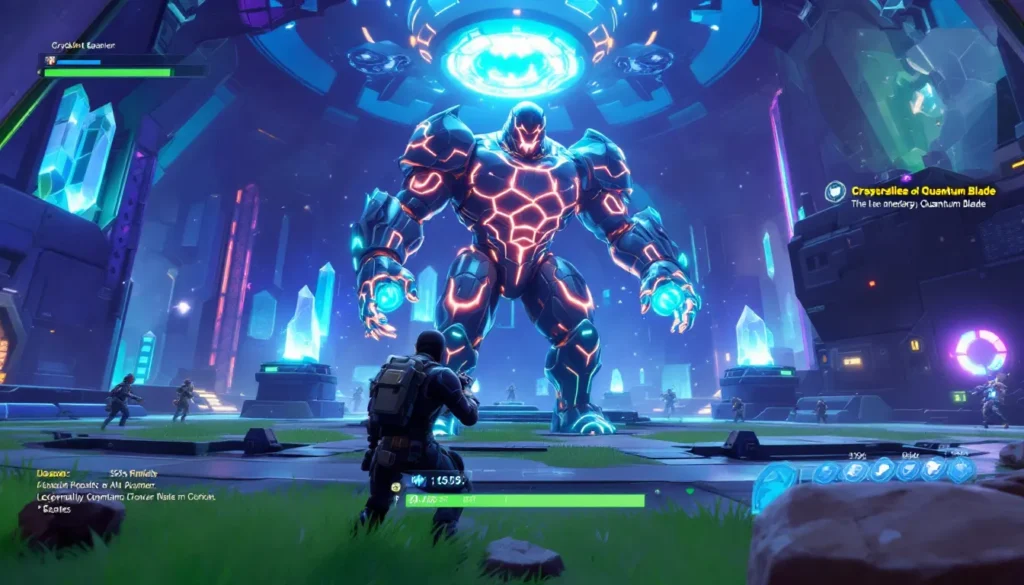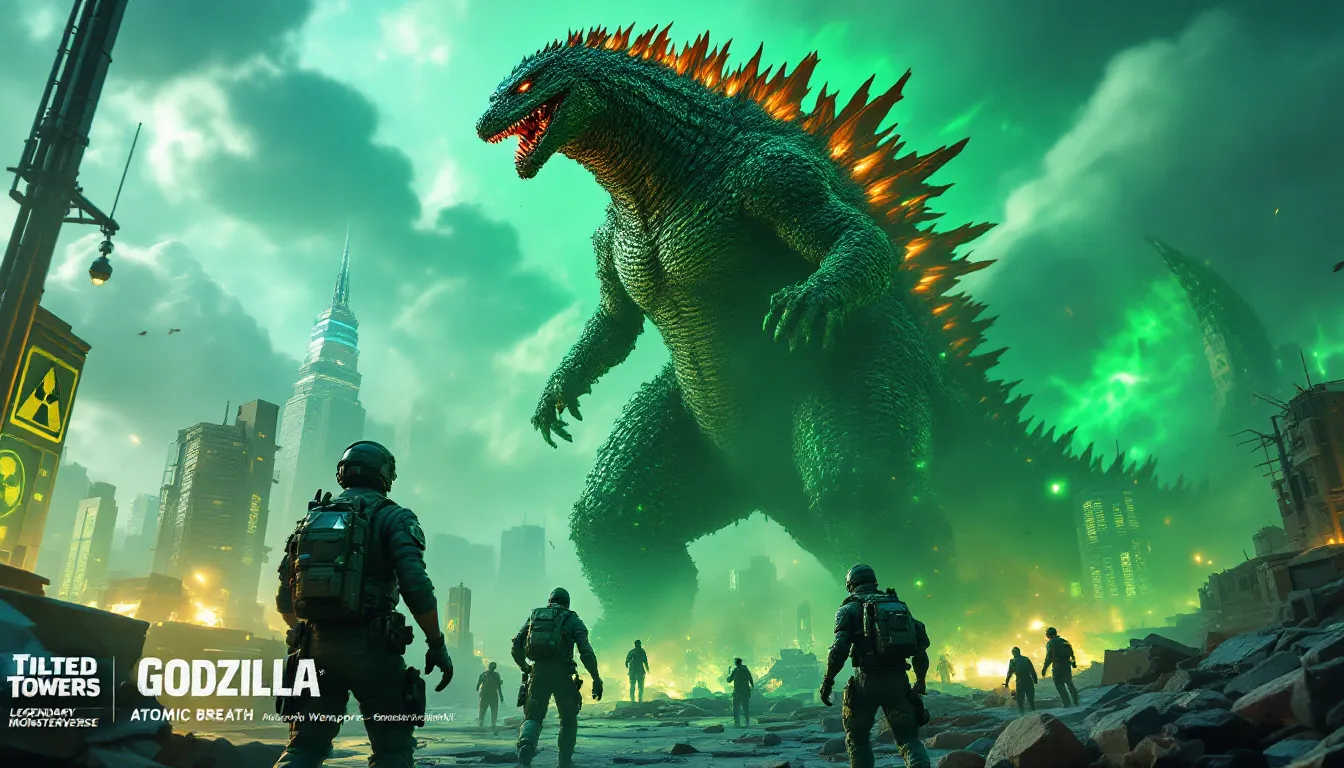
The kaiju king has invaded the island. In 2024, Fortnite dropped one of its most ambitious crossovers yet, a full Godzilla event that transformed the Battle Royale landscape into a monster-movie showdown. This wasn’t just a skin drop: it was a seasonal takeover complete with new mechanics, limited-time modes, and cosmetics that rewarded grind-heavy players and casual drop-ins alike. If you’ve been out of the loop or looking for the full breakdown on what went down, you’re in the right place. Here’s everything you need to know about the godzilla fortnite collaboration, from battle pass tiers to the mechanics that made the King of the Monsters feel like an actual threat on the island.
Table of Contents
ToggleKey Takeaways
- The Godzilla Fortnite collaboration in August 2024 was a full seasonal takeover featuring multiple cosmetic variants, mythic weapons, and limited-time modes that fundamentally altered gameplay beyond a simple skin drop.
- Players could unlock Godzilla skins through the battle pass (Tier 1, 50, 75, and 100) or purchase premium cosmetics from the item shop, with free-to-play players able to earn skins through seasonal challenges requiring 15-20 hours of gameplay.
- Mythic weapons like the Atomic Breath Cannon and Monster Hunter’s Spear provided significant strategic advantages, with the Atomic Breath Cannon dealing area damage and requiring proper positioning near Monster Command Center.
- Two rotating limited-time modes—Kaiju Royale (with a player-controlled Godzilla) and King Ghidorah boss encounters—created cooperative gameplay that favored coordinated teams and required specific loadouts to succeed.
- Seasonal and weekly event quests awarded approximately 750 V-Bucks and 50,000+ XP, with optimal challenge completion strategies varying by week and requiring players to adapt their drop locations and weapons.
- The Godzilla Fortnite event was widely praised for authentic cosmetic designs and innovative gameplay mechanics, though some players criticized mythic availability imbalances and quest difficulty spikes that favored experienced over casual players.
What Is The Godzilla x Fortnite Collaboration
The Godzilla x Fortnite crossover was a limited-time event that brought the legendary Toho monster into Epic’s battle royale. Unlike typical skin releases, this collaboration fundamentally altered gameplay for a full season, introducing Godzilla as both a purchasable cosmetic and an in-world threat that affected match flow.
Epic Games partnered with Legendary Entertainment, the studio behind the modern MonsterVerse films, to integrate Godzilla authentically into Fortnite’s ecosystem. This meant access to multiple Godzilla skin variants, including his classic Toho design, the modern Legendary design, and exclusive armored versions, each with unique backblings and cosmetics.
Beyond aesthetics, the event introduced Mythic items tied to Godzilla lore, new limited-time modes where players could actually encounter a Godzilla boss, and seasonal challenges that kept the community engaged throughout the event window. The collaboration also featured crossover cosmetics for other Monsterverse characters, including King Ghidorah, making it one of Fortnite’s most thematic takeovers.
When Did Godzilla Arrive In Fortnite
The Godzilla event kicked off in early August 2024, coinciding with the release of Godzilla x Kong: The New Empire on digital platforms. The initial announcement landed during a content creator livestream, with Epic Games teasing in-game footage that showed Godzilla’s towering figure dominating the island skyline.
The cosmetics and mythic weapons rolled out in phases. The first wave, the base Godzilla skins and initial battle pass rewards, dropped on August 1, 2024, with subsequent variants and cosmetics becoming available throughout the month via both the item shop and seasonal progression. The event’s limited-time mode ran for approximately four weeks, though players could continue purchasing cosmetics after the mode concluded.
Platform availability was consistent across PC, PlayStation 4/5, Xbox One/Series X
|
S, Nintendo Switch, and Mobile (iOS via cloud streaming), ensuring all players could access Godzilla skins regardless of their preferred hardware. The event concluded at the end of August, though cosmetics remained purchasable in the item shop thereafter.
How To Unlock Godzilla Skins And Cosmetics
Battle Pass Tier Requirements
The primary Godzilla skin was locked behind the Fortnite Chapter 5 Season 3 battle pass, available at Tier 1. This meant new players could secure the base skin by purchasing the battle pass, no additional grind required. But, alternate styles and exclusive variations required specific tier milestones.
- Classic Godzilla (Toho Design): Tier 1 (immediate upon purchase)
- Legendary Godzilla (MonsterVerse Design): Tier 50
- Armored Godzilla: Tier 75
- Shadow/Dark Variant: Tier 100 (final reward)
Each variant came with unique back blings, including a Mothra-inspired backbling and a radioactive energy effect cosmetic. Players who completed all 100 tiers also unlocked exclusive animated loading screens and banner cosmetics tied to the Godzilla event.
If you weren’t a battle pass holder, don’t fret. Completing seasonal challenges awarded free battle pass tiers, meaning free-to-play players could theoretically unlock at least two variants without spending V-Bucks. The grind required roughly 15-20 hours of gameplay to hit Tier 50 through challenges alone.
Item Shop Availability
Beyond the battle pass, Epic Games released premium cosmetics exclusively in the item shop. These rotated weekly during the event and included legendary-rarity skins not available in the pass.
- Godzilla x Ghidorah Combo Pack: 2,800 V-Bucks (includes both Godzilla and King Ghidorah skins)
- Legendary Godzilla Outfit (standalone): 2,000 V-Bucks
- King Ghidorah Outfit: 2,000 V-Bucks
- Mothra Glider: 800 V-Bucks
- Atomic Breath Emote: 500 V-Bucks
The item shop also featured bundle deals that bundled cosmetics with V-Bucks, offering marginal savings for players buying in bulk. Limited-time cosmetics, like the Oxygen Destroyer pickaxe and Monster Energy weapon wraps, cycled in and out with 24-48 hour availability windows, creating urgency for collectors.
Free-to-play players could earn enough V-Bucks through seasonal challenges and battle pass tiers (if purchased) to secure one or two item shop cosmetics without additional spending. The most cost-effective route was purchasing the battle pass once and using earned V-Bucks to snag one premium cosmetic from the shop.
Exclusive Rewards And Variations
The Godzilla event introduced more cosmetic variants than any single-theme crossover in Fortnite’s history. Players who engaged with the full progression track unlocked multiple distinct Godzilla iterations, each representing a different film era or design philosophy.
The Toho Classic Godzilla pulled directly from the original 1954 Godzilla film, featuring the iconic rubber-suit proportions and grayscale color palette. This wasn’t a joke or novelty skin, it was a faithful recreation that resonated with longtime kaiju fans. The MonsterVerse Godzilla represented the modern Legendary design seen in contemporary films, with CGI-inspired details and a sleeker frame.
The Armored Godzilla variant, unlocked at Tier 75, added mechanical plating across the monster’s body, a reference to Kiryu, the cyborg Godzilla from the Heisei series. This variant included a unique emote where Godzilla’s armor plating activated with a mechanical transformation animation, earning legitimate hype from the competitive community even though being a purely cosmetic change.
Exclusive back blings included the Mothra Wings (a glowing set of moth-like appendages), the King Ghidorah Head (a separate cosmetic that served as a shoulder piece), and the Oxygen Destroyer artifact (a glowing blue energy effect). Pickaxes featured the Atomic Breath Sword and Monster Hunter’s Lance, with animations reflecting the weapons’ thematic origins.
Emotes ranged from joke-tier (the Kaiju Dance, borrowed from contemporary pop songs) to genuinely cool animations like the Atomic Breath Roar, where players’ characters mimicked Godzilla’s iconic beam attack. Gliders included the Mothra Wing Glider and a military helicopter tie-in that referenced human characters from the films.
Event-exclusive cosmetics, those only available during the event window, became highly sought after post-event, signaling to the community that a player had engaged seriously with the crossover. The Showa Era Godzilla skin, for instance, was only available for 72 hours in mid-August and never returned to the shop.
Godzilla Gameplay Features And Abilities
Mythic Items And Weapons
The Godzilla event introduced several Mythic-tier items that fundamentally altered mid-game strategy. Unlike typical legendary weapons, Mythics in this event were tied to environmental interaction and required players to actually hunt down Godzilla-themed locations.
The Atomic Breath Cannon was the flagship mythic, spawning in a fixed location near Tilted Towers (a POI that received temporary Godzilla theming). This weapon functioned as a beam rifle with devastating area damage, firing a 5-second continuous energy beam that dealt approximately 35 damage per tick to structures and 25 per tick to players caught in its radius. The beam’s effective range was roughly 150 meters, making it a mid-to-long-range tool rather than a close-quarters weapon. TTK (time-to-kill) against full-shield opponents was roughly 8-12 seconds, making it strong for team wipes but not an instant-elimination tool.
The Monster Hunter’s Spear mythic weapon functioned as a melee tool with unique properties, it bypassed shield regeneration for 3 seconds after a hit, making it invaluable against shield-stacking players. Damage was 75 HP per swing with a 0.8-second attack speed, giving it a respectable DPS (damage per second) output of approximately 94 DPS in sustained combat. This weapon had a notable skill floor: players needed to commit to close-quarters engagement, making it risky without proper positioning.
A third mythic, the King Ghidorah’s Fury Blast, appeared in a limited-time version during the rival boss encounter. This weapon functioned as a three-projectile launcher, with each projectile splitting into three smaller projectiles on impact, creating a pseudo-shotgun effect at range. It was overpowered in early testing and received a silent nerf in week two that reduced projectile damage from 40 to 30 per hit.
Map Changes And POIs
Tilted Towers received a complete visual overhaul for the event’s duration, with Godzilla-themed buildings and environmental storytelling. Destroyed skyscrapers, claw marks on buildings, and radiation zones (indicated by glowing green mist) were scattered throughout. These radiation zones dealt 5 damage per second to players without protective gear, incentivizing players to either avoid the area or race through it quickly.
A new POI called Monster Command Center appeared near Rave Cave, functioning as a medium-sized landmark with high loot density. This location housed the Atomic Breath Cannon mythic, along with 6-8 chests and multiple ammo boxes. It was a hot-drop location during the event, with early matches often seeing 12+ players landing there in the first 30 seconds.
The island’s skyline featured a massive Godzilla statue visible from almost any high-ground vantage point. While purely environmental, it served as a navigation landmark and psychological marker, spotting the statue’s silhouette became a reference point for teams calling out positions.
Late in the event, a King Ghidorah’s nest appeared as a temporary POI near the island’s edge. This location spawned the King Ghidorah mythic weapon in week three and four, creating a shifting meta where Ghidorah-hunting teams would rotate through predictable paths. Teams that anticipated this behavior and set up ambushes near the nest found consistent elimination opportunities.
Limited-Time Modes And Events
King Ghidorah And Rival Boss Encounters
Epic Games introduced an entirely new gameplay mode called Kaiju Royale, a 50-player limited-time mode where a player-controlled Godzilla hunted opposing teams. One randomly selected player every 15 minutes received the ability to transform into a rideable Godzilla, gaining control over the massive creature with unique abilities.
The Godzilla player form featured:
- Atomic Breath attack: A 7-second cooldown beam dealing 25 damage per tick (stacking up to 175 damage in a direct hit)
- Tail Swipe: A 12-second cooldown AoE attack with a 20-meter radius, dealing 50 damage and knocking back enemies
- Stomp: A 20-second cooldown ground-pound ability that stunned players in a 15-meter radius for 2 seconds
The Godzilla player became an instant target for all other teams, creating chaotic 49v1 dynamics. Most Godzilla transformations lasted 3-5 minutes before the player was eliminated by coordinated fire, though skilled players could extend their reign by rotating through areas with natural cover.
By week three, Epic introduced a King Ghidorah boss encounter as a separate game mode. Unlike the player-controlled Godzilla, this King Ghidorah was AI-controlled and posed a threat to all players equally. Teams could work together or compete to damage Ghidorah and claim the final elimination for bonus rewards (4,000 XP and a guaranteed mythic weapon drop).
King Ghidorah’s AI behavior featured:
- Three-head melee attacks that rotated between players
- Lightning breath attacks that left electrified zones lasting 15 seconds
- Flight phase where Ghidorah became invulnerable and repositioned, forcing teams to relocate
- Regeneration: Ghidorah regenerated 50 HP every 10 seconds if no damage was dealt
Killing King Ghidorah required coordinated team fire with proper loadouts. Solo players stood essentially zero chance, and even well-equipped duos struggled. The optimal strategy involved teaming up with nearby players temporarily, eliminating Ghidorah, then immediately turning on allies, a risky gambit that paid off for teams with superior positioning or loadout synergy.
These limited-time modes rotated on a 2-day cycle: Kaiju Royale (2 days), King Ghidorah boss (2 days), then back to Kaiju Royale. This rotation kept the event feeling fresh while giving players agency in which mode they preferred.
Event Challenges And Quest Progression
How To Complete Godzilla Quests For Maximum Rewards
The Godzilla event featured two parallel challenge tracks: Seasonal Quests (available for the entire month) and Event Quests (rotating weekly challenges tied to the limited-time modes).
Seasonal Quest structure (completion time: 20-30 hours for all tiers):
- Tier 1: Land at Monster Command Center (10 times) → 3,500 XP
- Tier 2: Deal damage with Atomic Breath weapons (1,500 total) → 5,000 XP
- Tier 3: Deal damage to King Ghidorah (2,000 total) → 7,500 XP
- Tier 4: Survive in radiation zones without taking damage (15 seconds) → 10,000 XP
- Tier 5: Complete all previous tiers → Unlock Godzilla Roar emote + 15,000 XP
Seasonally, completing all five tiers awarded enough XP to reach approximately Tier 40 of the battle pass (if a player was starting from Tier 1). This made the Godzilla quests the primary XP farm during the event window.
Weekly Event Quests (rotating, 5 quests per week):
- Week 1: Deal damage with Atomic Breath Cannon (500 total) → 5,000 XP + 100 V-Bucks
- Week 2: Eliminate players with King Ghidorah mythic weapon (5 eliminations) → 7,500 XP + 150 V-Bucks
- Week 3: Survive 5 matches in Kaiju Royale mode → 10,000 XP + 200 V-Bucks
- Week 4: Deal 10,000 damage to environmental structures in Tilted Towers → 12,500 XP + 200 V-Bucks
Weekly quests were notably harder than seasonal quests. The King Ghidorah elimination challenge in week two, for instance, required players to secure kills with a specific weapon that spawned in only 2-3 locations per match. Optimal strategy involved hot-dropping to the mythic spawn location, securing the weapon, and hunting opponents, a high-risk, high-reward approach that worked in Kaiju Royale (where the weapon was guaranteed) but was inconsistent in regular battle royale.
The V-Bucks earned from weekly quests (approximately 750 total across four weeks) covered the cost of a single cosmetic from the item shop, making engagement with event challenges directly financially rewarding for free-to-play players.
Quest completion tips:
- Radiation zone survival (Tier 4) was easiest in Kaiju Royale, where the zone boundaries were predictable
- Atomic Breath damage farming worked best with squads coordinating fire on structures
- King Ghidorah weekly quests required patience, most players quit after early eliminations, leaving high-tier players to farm the weapon spawn late-game
Players aiming for the cosmetics tie-in mentioned earlier should have noted that completing all seasonal quests unlocked the Atomic Breath Roar emote, a pure cosmetic reward that didn’t contribute to further progression.
Tips And Strategies For Godzilla Event Success
Best Landing Spots During The Event
The Godzilla event fundamentally altered drop strategy due to the radiation zones and the Atomic Breath mythic spawn. Players needed to balance loot density against radiation exposure and competition.
Monster Command Center was the de facto hot drop. It guaranteed access to the Atomic Breath Cannon mythic and featured 6-8 chests in a relatively small footprint. For aggressive players, landing here and securing the mythic early led to consistent mid-game advantages. But, first-fight success rate was roughly 40% due to heavy competition, if players lost the initial skirmish, they’d already be at a resource disadvantage.
Tilted Towers (post-Godzilla theming) was a secondary hot drop with less competition than Monster Command Center but similar loot density. The radiation zones created natural defensive positions, teams could use the green mist as cover or force opponents to take damage by rotating through contaminated areas. Early-game eliminations here often came from teams that positioned on radiation zone borders, forcing opponents to either engage or lose HP.
Rave Cave and nearby unnamed locations offered medium loot with minimal competition during the event. While these spots didn’t have guaranteed Mythics, they were ideal for players prioritizing a stable mid-game over hot-drop dominance. Rotation time to Monster Command Center was roughly 30-40 seconds from Rave Cave, allowing players to pivot toward the mythic if an early fight didn’t materialize.
For late-game strategy, the King Ghidorah nest (available weeks 3-4) became a rotation hotspot. Teams that anticipated Ghidorah spawns and positioned near the location with full shield and healing items could third-party teams fighting the boss, securing eliminations against distracted opponents.
A counterintuitive strategy involved landing at unpopulated POIs early-match to secure decent loot, then rotating toward Monster Command Center once the initial chaos settled. This approach sacrificed hot-drop aggression for mid-game stability, players would arrive with shields, healing, and decent weapons, putting them on equal footing with survivors of the Monster Command Center skirmish.
Loadout Recommendations For Facing Legendary Threats
Facing King Ghidorah or the player-controlled Godzilla required specific loadout synergies. Generic loadouts (assault rifle, shotgun, utility item) left teams significantly disadvantaged.
Anti-Godzilla loadout (for Kaiju Royale):
- Weapon 1: DMR or sniper rifle (high single-shot damage for burst windows when Godzilla’s defensive abilities were on cooldown)
- Weapon 2: Assault rifle with high magazine capacity (sustained DPS for team rotations)
- Weapon 3: Shotgun (anti-Godzilla positioning around terrain or structures)
- Healing: Shield potions + medkits (priority healing for AoE blast damage)
- Utility: Shockwave grenades or launch pads (repositioning away from Atomic Breath attacks)
DMR damage against Godzilla scaled at roughly 75 per crit hit, while standard AR damage landed around 30-35 per shot. Coordinated teams stacking DMRs could eliminate a Godzilla player in 60-90 seconds of sustained fire. Shotgun players required close-quarters commitment and were vulnerable to the tail swipe AoE, making them secondary damage dealers rather than primary threats.
Anti-King Ghidorah loadout (for boss encounters):
- Weapon 1: Assault rifle with high DPS (sustained team damage)
- Weapon 2: Atomic Breath Cannon mythic (priority legendary weapon)
- Weapon 3: Grenade launcher (AoE damage that bypassed Ghidorah’s positioning)
- Healing: Shield potions + bandages (rapid shield restoration before Ghidorah’s lightning phase)
- Utility: Jump pads or rifts (critical for the flight phase repositioning)
Teams with the Atomic Breath mythic had significant advantages, the weapon’s beam DPS (approximately 875 per second) dwarfed standard AR damage. Control of the mythic often determined King Ghidorah victory. Grenade launchers added unpredictable damage that Ghidorah’s AI struggled to evade, making them high-value picks.
For standard battle royale engagement using Godzilla cosmetics, loadouts didn’t differ functionally from season meta, cosmetics had zero gameplay impact. But, dragon ball fortnite skins offer similar cosmetic-only utility while maintaining competitive viability, making them solid alternatives for players who missed the Godzilla event.
General tip: Ammunition scarcity during the event required conservative engagement. AR ammo was plentiful, but Mythic weapon ammo (limited to 150 rounds per pickup) needed careful rationing. Teams using Atomic Breath weapons conservatively, firing in short bursts rather than sustained beams, stretched ammunition across entire matches and prevented mid-fight depletion.
Community Response And Fan Reactions
The Godzilla event was largely well-received by the Fortnite community, though with notable caveats. Nostalgia-driven players, particularly those with Toho film appreciation, praised the faithful cosmetic designs. The Showa-era Godzilla skin became a status symbol within the community, with players displaying it prominently in social media clips.
Competitive players had mixed reactions. The Atomic Breath mythic’s damage output was initially perceived as overpowered, dominating early-match fights and creating frustration for teams that didn’t control the weapon. According to Dexerto, the mythic received a damage nerf in week two (from 35 to 25 per tick) following community feedback, bringing it more in line with other Mythics. Post-nerf, the weapon was balanced but still valuable, high-skill players could still leverage it for team wipes, but the skill ceiling rose considerably.
King Ghidorah’s boss encounter received praise for its cooperative gameplay, contrasting with Fortnite’s typical solo-focused design. But, the AI’s healing and repositioning mechanics frustrated teams that felt the boss was artificially prolonging fights. Some players complained on social media that solo players couldn’t participate meaningfully, which was a fair critique, the encounter genuinely required team coordination.
Casual players engaged heavily with the cosmetic releases, with the Armored Godzilla variant earning mentions as a top-ten cosmetic of 2024 on several gaming news aggregators like Game Rant. The emotes, particularly the Atomic Breath Roar, saw high adoption rates, indicating that the cosmetics felt premium and authentic rather than cash-grab afterthoughts.
Content creators built their entire August upload schedules around the event. Streamers like Sypher PK and Ali-A dedicated multiple videos to optimal challenge completion, loadout recommendations, and clips of memorable boss encounters. The event’s novelty ensured high engagement metrics and viewership, a win for both Epic Games and the creator ecosystem.
Community criticism centered on:
- Unbalanced mythic availability: Monster Command Center hotdrops created skill-based gatekeeping where high-tier players monopolized the Atomic Breath weapon
- Cosmetic exclusivity: The Showa-era Godzilla’s 72-hour availability window felt arbitrary and punished time-zone-based players
- Quest difficulty spikes: Week two’s King Ghidorah elimination challenge was significantly harder than week one, frustrating casual players
Overall, GameSpot coverage of the event highlighted it as a successful crossover that balanced cosmetic appeal with gameplay innovation. The consensus was that the Godzilla event proved Fortnite could execute large-scale IP collaborations without compromising core gameplay integrity, a lesson that informed subsequent crossover planning.
Conclusion
The Godzilla x Fortnite event delivered on its promise of bringing the King of the Monsters to battle royale in a meaningful, substantive way. From cosmetic authenticity to gameplay-altering Mythic weapons and boss encounters, Epic Games showed they understood what made this collaboration worth the hype.
Players who engaged with the full progression track, completing seasonal quests, grinding battle pass tiers, and farming weekly challenges, walked away with cosmetics that felt earned rather than handed over. The limited-time modes gave the event genuine stakes and urgency, and the rotating availability of cosmetics (particularly the Showa-era skin) created social currency within the community.
While some balance issues emerged early and certain mechanics favored coordinated teams over solo players, the event set a high bar for future crossovers. Fortnite proved it could take an iconic movie property and translate it authentically into its ecosystem without gutting gameplay balance or overselling cosmetics as the sole value proposition.
If you missed the event window, cosmetics are still available in the item shop, and Epic has historically brought back popular cosmetics during seasonal rotations. The Godzilla event wasn’t the last we’ll see of the King of the Monsters in Fortnite, and based on community reception, fans wouldn’t mind a return visit. When is the next epic event? Check Fortnite’s official schedule for upcoming seasonal content and live experiences that’ll keep the island interesting.