Erisa is one of Fortnite‘s most intriguing mythic points of interest, packed with high-tier loot and intense action. Whether you’re a casual player grinding Battle Pass challenges or a competitive grinder hunting for that mythic weapon spawn, understanding Erisa’s layout, loot distribution, and combat hotspots can be the difference between dropping hot and dropping smart. This guide breaks down everything you need to know about Erisa in Fortnite, from optimal landing spots to late-game rotations, so you can dominate this POI and walk away with the loot that matters.
Table of Contents
ToggleKey Takeaways
- Erisa is a high-tier mythic POI in Fortnite’s southeastern map quadrant with guaranteed loot spawns, featuring 8–10 chests and a powerful mythic weapon requiring NPC elimination to claim.
- Master Erisa’s four distinct zones (Central Tower, Eastern Wing, Western Outpost, Underground Facility) to maximize loot efficiency and minimize early-game confrontation based on your squad’s skill level.
- Execute rotations 2–3 minutes before zone closure and maintain strategic material reserves (200+ minimum) to dominate late-game positioning and survive aggressive storm damage in zones 6+.
- High-traffic hotspots like the Main Platform and Sky Bridge demand superior positioning, audio awareness, and building fundamentals—prioritize basic cover (1×1 boxes and ramps) over flashy builds in Erisa’s tight corridors.
- Adopt vertical movement tactics, stairwell bunnyhopping, and audio cues to gain positional advantage during looting, then transition to a versatile weapon loadout (AR, SMG, Sniper, Healing, Utility) for mid-to-late-game dominance.
What Is Erisa In Fortnite?
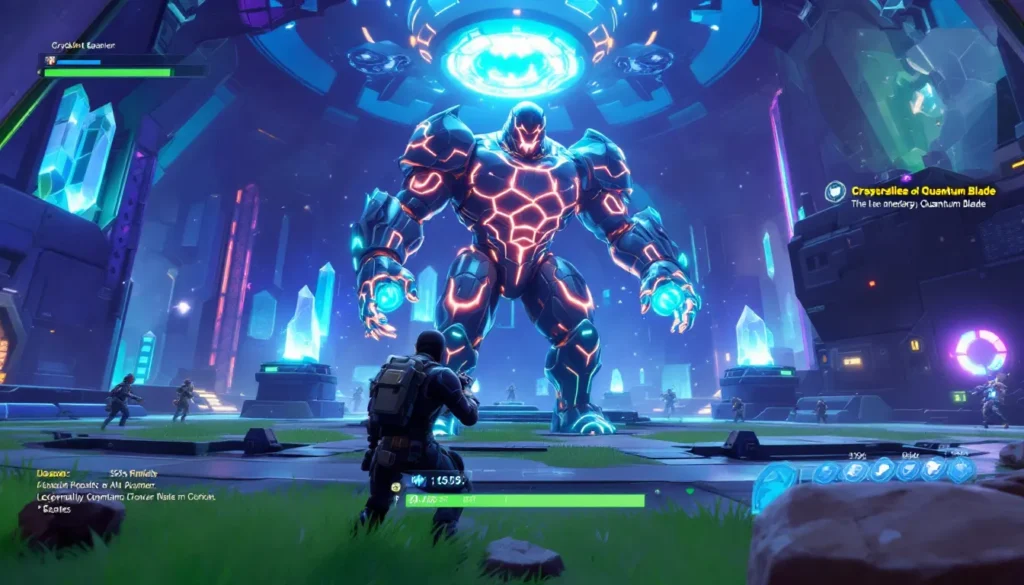
Erisa is a mythic point of interest introduced in recent Fortnite seasons, characterized by its futuristic aesthetic and guaranteed high-tier loot spawns. Unlike traditional POIs, Erisa functions as an endgame hotspot where players often converge specifically for the mythic weapon housed within its central structure. The POI is designed with verticality in mind, featuring multiple floor levels, interconnected buildings, and elevated platforms that reward skilled builders and mobility players.
The significance of Erisa extends beyond casual looting. Mythic weapons in Fortnite carry unique abilities and superior damage output compared to their legendary counterparts, making them priority targets in competitive matches. Players landing at Erisa accept early-game risk in exchange for a significant mid-to-late-game power spike. Understanding the mechanics and layout of this POI isn’t optional for serious players, it’s essential knowledge for your ranked grind.
Erisa POI Location & Map Overview
Where To Find Erisa On The Fortnite Map
Erisa is located in the southeastern quadrant of the current Fortnite map, positioned near mid-map geography that makes it accessible from multiple rotations. The POI sits approximately at grid coordinates I7–J7, nestled between named and unnamed landmarks that provide natural cover for rotate paths. Its proximity to open terrain means rotations to later zones can be risky if the storm pushes unfavorably, but its central-ish placement generally keeps it in play throughout most matches.
The structure itself is unmistakable: a massive, crystalline tower with a sleek sci-fi aesthetic dominates the skyline. You’ll spot it from distance due to its distinctive architecture and glowing accents. The POI sprawls across a moderate footprint, roughly 200-250 meters across, making it large enough to support multiple squads without forced early clashes, assuming smart landing zones.
Navigation Tips & Landmarks
Once you’ve landed at Erisa, navigation becomes critical. The POI is divided into distinct zones:
- The Central Tower: Home to the mythic weapon spawn and the highest loot concentration. This is the hot zone where opponents congregate.
- Eastern Wing: Lower-tier loot but fewer contested spawns. Ideal for securing shield potions and ammo early.
- Western Outpost: Mid-tier loot with better chest spawn rates than the eastern wing. Good rotation point if you’re avoiding early combat.
- Underground Facility: A subterranean section accessible via ramps and elevators. Offers isolated loot but requires time to fully sweep.
Key landmarks within Erisa for navigation:
- The Main Platform at the tower’s base, always crowded, always dangerous.
- The Sky Bridge connecting the tower to the eastern wing, high ground vantage, minimal cover.
- The West Corridor, natural pathing that funnels players toward supply crates.
Familiarize yourself with these zones in Team Rumble or Creative mode before bringing this knowledge into ranked matches. Muscle memory on layout is the difference between clutching loot and getting caught mid-rotation.
Best Loot Spots Within Erisa
Mythic Weapon Locations
The Mythic Weapon at Erisa spawns in a guaranteed location within the Central Tower’s apex chamber, a sealed room accessible only after eliminating or avoiding the guardians patrolling that section. The weapon itself varies by season: as of the current patch, the mythic is a powerful AR-variant with superior accuracy and magazine capacity compared to standard legendary rifles.
There’s one critical detail: the mythic doesn’t drop until a specific NPC or mini-boss encounter is completed. This forces early-game commitment: you can’t simply sprint in and grab it. You’ll need to either:
- Engage the NPC directly and secure the kill.
- Wait for another squad to claim it, then third-party the victor.
- Skip the mythic entirely and farm mid-tier loot for faster rotations.
Competitive players often prioritize the mythic because of its late-game dominance, but pubs and arena matches vary in risk-reward calculation. A freshly-looted opponent with the mythic becomes a significant threat, so always account for this when planning your engagement.
High-Tier Loot Chest Spawns
Erisa guarantees approximately 8–10 chest spawns across its POI footprint. Legendary and Epic-tier chests cluster heavily in three zones:
- Central Tower (3–4 chests): Two guaranteed spawns on the upper floors, one randomized spawn in the apex chamber after the mythic NPC is engaged.
- Western Outpost (2–3 chests): Located in the secondary structure west of the main tower. More reliable spawn rate than other zones.
- Underground Facility (2 chests): One in the lower armory, one in the vault section. These require time to access but are rarely contested.
Chest tiers and rewards:
- Legendary Chests (rarest): Grant two legendary-tier weapons or one mythic-adjacent item. Only 1–2 per POI per match.
- Epic Chests (common): Standard loot pool with solid weapon variety.
- Rare Supply Drops: Fall sporadically throughout the POI: prioritize grabbing them if they land nearby.
Supply Drop Strategies
Supply drops in Fortnite arrive on timed intervals, and Erisa typically sees 2–3 drops during a single match depending on match length. The drops land in randomized locations within and near the POI boundary. Unlike chests, supply drops provide guaranteed legendary weapons, healing items, and unique consumables that can shift early-game power dynamics.
Strategy for supply drops:
- Early Game (First 2 minutes): If a supply drop lands near Erisa’s perimeter, don’t over-commit. Grab it if it’s on your rotation path, but don’t expose yourself to long-range fire from other squads.
- Mid Game (4–7 minutes): Supply drops become higher priority. If a drop lands inside or adjacent to Erisa after the mythic is claimed, push hard. Opponents will be rotating out, leaving you with a window to secure loot unopposed.
- Late Game (8+ minutes): Supply drops in the final circles become immediate flashpoints. Coordinate with teammates and be prepared for a fight.
Watch the sky during your sweep of Erisa. A supply drop landing nearby can replace the need for additional chest looting and accelerate your exit rotation.
Landing Strategy & Early Game Tips
Optimal Landing Locations
Your landing spot within Erisa determines your early-game trajectory. Elite players don’t just drop at Erisa: they drop at specific coordinates that maximize loot access while minimizing early confrontation.
Recommended landing zones (in order of safety):
- Western Outpost (Safest): Land here if you prioritize looting over mythic control. You’ll secure 2–3 chests and solid weapons without contested hotspots. Rotate to the main tower once equipped.
- Eastern Wing Platform (Moderate): Middle ground between safety and loot density. Land, sweep the wing’s chests (typically 2), and prepare to rotate inward or outward based on early engagements.
- Central Tower (Most Contested): Drop here only if you’re confident in early-game mechanics and aim. You’ll fight immediately, but victory grants the mythic and primary loot concentration.
Consider team composition when deciding:
- Full Aggressive Squad: Central Tower landing is justified. Lean into early kills and capitalize on momentum.
- Mixed Skill Levels: Western Outpost or Eastern Wing provide gearing time without forcing immediate gunplay.
- Solo/Duo Focus: Land on POI perimeter, grab 1–2 chests, and rotate before a third-party arrives.
Avoiding Early Combat
Early combat at Erisa is often economical, whoever engages with better positioning and ammo reserves wins. If you’re not confident in winning a hot drop, adopt these avoid-and-rotate tactics:
Stealth Landing: Don’t glide directly into visible clusters. Instead, land on POI rooftops or elevated platforms away from ground-level hot zones. This delays enemy detection and grants a 15–20 second looting window before they realize you’re there.
Timing Your Drop: Watch other squads’ flight paths. If 3+ teams are landing at Erisa, wait 3–5 seconds before deploying your glider. Early droppers will be hotly contested: delayed drops often find cleaner chests because opponents are already mid-fight.
Vertical Positioning: Once landed, immediately move upward. Use stairs and elevators to reach upper floors where foot traffic is lighter. Most players beeline for main-floor loot, leaving upper areas relatively untouched for 30+ seconds.
Communication: Ping safe loot zones to your squad. Dividing into separate but nearby sweeps (e.g., you take the eastern wing, teammate takes the western outpost) multiplies your loot efficiency and reduces overlap that leads to friendly fire incidents.
Mid-Game & Late-Game Strategy
Rotation Routes From Erisa
Erisa’s southeastern map position means rotations to later zones vary wildly depending on storm positioning. The key is establishing 2–3 practiced rotation paths so you’re never caught panicking about direction mid-match.
Primary Rotation Route (North-Northwest): If the next zone pushes inland, rotate from Erisa’s northern edge toward the central map hub. This path is predictable but offers natural cover through mid-map landmarks and maintains positioning advantage over southern squads.
Secondary Route (West-Southwest): If the zone shifts toward the western quadrant, rotate along the map’s edge using natural terrain and unnamed structures for cover. This route is longer but avoids the dense central fighting zones.
Emergency Rotate (Southeast): If you’re caught with an unfavorable zone and the storm is closing, rotate toward the southeastern edge and use verticality and buildings for movement cover. This is risky and should be a last resort.
Always rotate early. Don’t wait until the storm is at your heels. Rotating at 60–70% zone closure gives you time to position and scout for third-party threats. Players who rotate late are predictable targets, often caught in open terrain with no cover.
According to esports data tracking pros’ rotations, elite players rotate 2–3 minutes before zone closure, not 30 seconds before. Adopt this timing and you’ll avoid the disaster of getting caught mid-rotation by a full squad.
Zone Positioning & Storm Management
Once you’ve looted Erisa and rotated out, positioning within the shrinking safe zone becomes paramount. Storm damage in Fortnite scales with zone number, and by zones 5+, storm damage will shred shields and health if you’re caught unprepared.
Zone 1–3 Strategy: No urgency. You’ve got 5+ minutes to rotate. Use this time to hunt for eliminations, farm materials, or rotate methodically toward the next zone center.
Zone 4–5 Strategy: Move intentionally toward zone center. Don’t commit to extended fights on zone edges. If a fight breaks out, disengage if the zone edge is closing. A dead opponent isn’t worth dying in storm damage.
Zone 6+ Strategy: This is endgame. Players are consolidated, fights are intense, and positioning is everything. Land on high ground if available, maintain line-of-sight on the most likely approach routes, and build cover preemptively. Storm damage at this stage is aggressive: a 10-second delay in reaching zone safety can cost 50+ health.
Material management directly impacts zone positioning. Entering late zones with <200 materials is a death sentence because you can’t build cover against the onslaught of final-zone opponents. Maintain material reserves by:
- Harvesting throughout mid-game, not just after early kills.
- Avoiding prolonged build battles that bleed materials unnecessarily.
- Prioritizing brick and wood over metal early: metal is for late-game hold positions.
Watch the zone timer constantly. If you’re more than 200 meters from the next zone with under 2 minutes remaining, start sprinting and abandon looting.
Enemy Encounters & Combat Tips
High-Traffic Areas & Hotspots
Erisa’s design creates natural choke points where encounters are inevitable. Knowing these hotspots helps you either avoid them or exploit them depending on your squad’s confidence.
The Main Platform (Highest Traffic): This is the central nexus where the mythic weapon awaits. Expect 70% of early-game Erisa combat to occur here. If you’re landing with opposition, expect a 1v1–1v3 shootout within 30 seconds of touchdown. Stagger your landing if possible: don’t all touch down simultaneously.
Sky Bridge (Medium Traffic): The elevated pathway connecting tower to the eastern wing sees consistent midgame traffic as players rotate between zones. If you hold this bridge with high ground, you control sightlines and can pick off enemies with minimal risk. Conversely, crossing the Sky Bridge exposed is suicidal if opposition holds the bridge tower.
West Corridor (Lower Traffic, High Loot Density): This underground passage has fewer immediate threats because it’s sheltered and requires time to navigate. Most players skip it in favor of faster looting. If you have spare time, descend into the West Corridor and sweep. You’ll often find uncontested chests and heals.
Underground Facility (Isolated Loot, Rare Combat): The subterranean vaults are tucked away and require specific navigation knowledge. Few casual players access this zone, making it a calm looting haven if you have 2+ minutes to spare. But, if enemies chase you down, the facility becomes a maze where escape routes are limited.
Defensive Building Strategies
Building in Fortnite separates veterans from novices. Erisa’s structure-heavy layout means intelligent building placement dictates firefight outcomes.
Pre-Build Cover Upon Landing: Don’t immediately run toward chests. Spend 5 seconds throwing up wooden walls and ramps at your landing spot. This creates emergency cover if enemies spot you during your loot sweep. A simple 1×1 box (walls on four sides) has saved countless lives.
High-Ground Advantage: Erisa’s verticality rewards players who claim rooftops and upper platforms. If you’re looting a floor and enemies land nearby, rotate upward. High ground grants visual advantage and forces enemies to either engage upward (disadvantageous) or rotate around you (buying time).
Build Fights in Tight Spaces: The central tower’s interior corridors don’t have space for traditional build battles. In tight quarters, opt for quick wood ramps for cover and rely on SMG/shotgun damage output. Don’t waste materials building vertically when horizontal cover suffices.
Material Efficiency: Every wall costs 10 wood/brick/metal. In early-game Erisa combat, you likely have <300 materials. Build only necessary cover: don’t panic-build random walls. A single ramp and two side walls are often enough to secure a duel against an equally-geared opponent.
References from The Loadout’s building guides emphasize that building fundamentals matter more than flashy 90s rotations in early-game. Perfect your basic 1×1 and ramp-wall combos before attempting advanced building.
Advanced Techniques For Erisa Domination
Movement & Mobility Tactics
Advanced players use mobility to gain positional advantage within Erisa’s compact footprint. Every second saved through optimal movement is a second you’re looting unopposed or repositioning toward the next target.
Sprint-Sliding: Maintain sprint momentum and slide into tight corners to avoid aim-assist and boost your movement speed. Sliding also provides a brief invulnerability window in some patches: check current-patch mechanics before relying on this.
Stairwell Bunnyhopping: When ascending or descending stairs, chain small jumps to maintain momentum. This increases vertical travel speed and makes you a harder target for snipers. Practice this in Creative mode until it’s second nature.
Elevator Exploitation: Erisa’s elevators are transportation tools, but they’re also engagement zones. If you hear an elevator moving, consider ambushing the exit. Conversely, don’t take elevators if enemies are nearby: instead, use ramps or jump-pad alternatives.
Portal/Launch Pad Usage: If mythic weapons or supply drops include mobility items, use them to reposition away from congestion. A well-timed launch pad escape saves more games than you’d expect.
Audio Cues: Listen for footsteps, gunfire, and chest-opening sounds. Enemy footsteps approach from specific directions: use audio to pre-aim corners or dodge incoming combat. Chest openings announce opponents: if you hear someone looting nearby, you’ve found your next target or threat.
Elite players like those tracked on Dexerto’s pro player profiles emphasize audio awareness as a top-three skill factor in competitive Fortnite. Invest in quality headphones and train your ear.
Weapon Loadout Recommendations
Your loadout at Erisa determines your engagement versatility. Mythic weapons are powerful but not a guaranteed win: loadout composition matters equally.
Early-Game Loadout (First 3 minutes):
- AR (Assault Rifle), primary damage dealer for mid-range duels.
- SMG (Submachine Gun), close-quarters dominance if enemies rush.
- Shotgun or Sniper, situational pick depending on Erisa’s cover layout.
- Healing item (Medkits or Shield Potions), priority over ammo early.
- Grenades or utility item, molotovs or shockwaves for positioning advantage.
Mid-Game Loadout (4–7 minutes):
- Mythic Weapon (if claimed), replace AR. Mythic typically offers superior damage and efficiency.
- Sniper or DMR, long-range engagement for zone rotations.
- SMG or Shotgun, close-quarters security.
- Healing items, now that you’re geared, prioritize utility over ammo.
- Explosives or mobility, rotation tools matter more than combat tools at this stage.
Late-Game Loadout (8+ minutes):
- Mythic Weapon or Legendary Assault Rifle, proven hitscan tool.
- Sniper, mandatory in endgame for picking off campers.
- SMG (burst variant if available), close-quarters finisher.
- Healing items, shield potions and medkits. Prioritize shields over health.
- Utility, don’t carry grenades: carry shockwave grenades or other positioning tools.
Drop This Immediately:
- Duplicate weapons (only carry one AR, one sniper, etc.)
- Ammo beyond 200 rounds per weapon type.
- Healing items beyond 4–5 total slots once you’re equipped.
Weapon stats change seasonally, but the principle remains: diversity beats specialization. Never load four weapons of the same damage type: you’ll lack versatility when enemy engagement ranges shift.
Conclusion
Erisa in Fortnite represents both opportunity and danger. The mythic weapon and guaranteed loot make it tempting, but the high-traffic nature means early-game volatility is unavoidable. The players who thrive at Erisa approach it strategically: landing smart, looting efficiently, rotating decisively, and positioning intelligently through midgame and endgame.
Mastering Erisa isn’t just about memorizing chest spawns or killing count. It’s about understanding map flow, respecting zone timers, building situational awareness, and making micro-decisions that compound into victory. Land there consistently, apply the strategies outlined above, and watch your win rate climb. Whether you’re grinding ranked or warming up in pubs, Erisa offers the rigor and reward that separate casual players from competitors ready for endgame dominance.