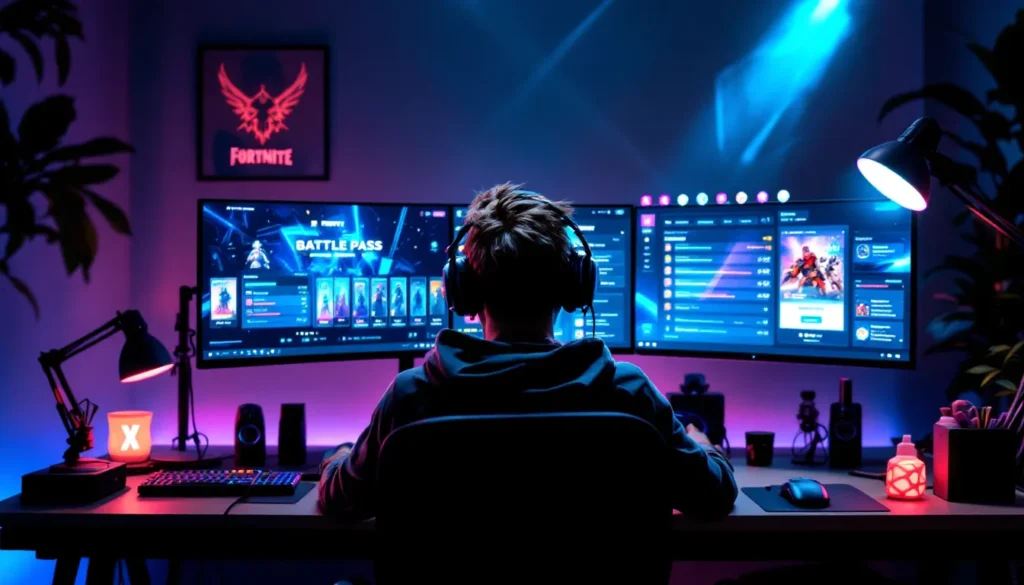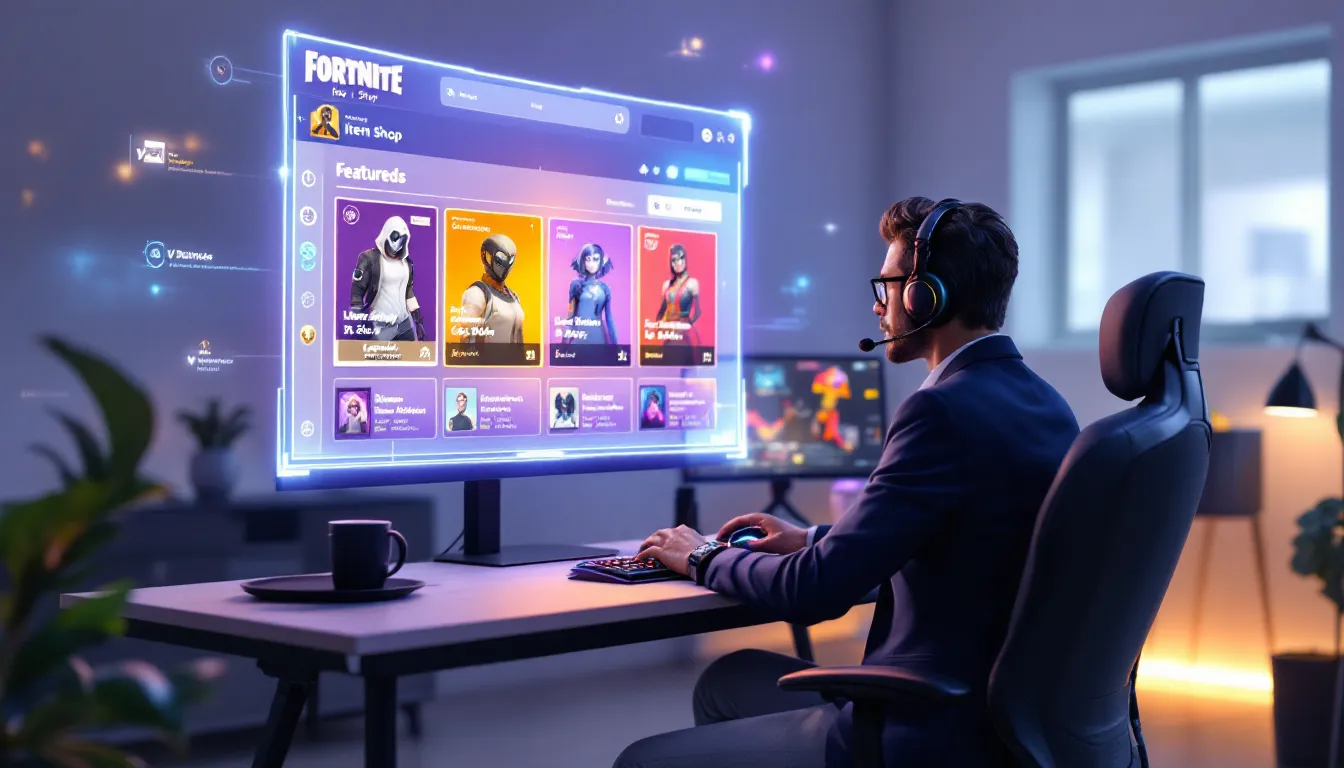
Every day at 8 PM ET, Fortnite’s Item Shop refreshes with new cosmetics, and the scramble begins. Whether you’re hunting for a rare skin, snagging a collaboration drop, or just browsing what’s available, understanding the Fortnite Item Shop is crucial if you want to make intentional purchases instead of impulse buys driven by FOMO. In 2026, the shop has evolved beyond simple cosmetics, it’s a living marketplace that reflects seasonal themes, esports moments, and massive cross-franchise partnerships. This guide breaks down how the shop actually works, what’s worth your V-Bucks, and how to build a smart shopping strategy so you’re not burning through currency on regrettable picks.
Table of Contents
ToggleKey Takeaways
- The new Fortnite Item Shop refreshes daily at 8 PM ET with featured and rotating cosmetics priced by rarity tier, with Legendary skins costing 2,000 V-Bucks and Rare outfits at 800 V-Bucks.
- Featured items and limited-time collaborations create perceived scarcity, but most cosmetics rotate back within months, so waiting 24 hours before purchasing helps avoid impulse FOMO-driven spending.
- Legendary and Epic skins dominate shop rotations, but value comes from personal preference and rotation frequency rather than rarity tier—a rarely-rotated Rare skin may offer more exclusivity than a frequently-appearing Legendary.
- Building a wishlist and tracking Item Shop rotation history through community databases lets you decide whether to buy immediately or wait for the next cycle, removing daily anxiety and impulse purchases.
- Bundle deals offer savings compared to individual purchases, but buying a bundle purely for one item wastes V-Bucks—the Battle Pass at 950 V-Bucks remains the best cosmetic value per season.
- Streamer influence and seasonal themes drive cosmetic trends, while anime collaborations and cross-franchise partnerships rotate strategically throughout the year to maintain engagement and predictability.
Understanding The Fortnite Item Shop
How The Item Shop Works
The Fortnite Item Shop is the game’s primary cosmetic marketplace. Unlike battle pass rewards that you earn through gameplay, Item Shop items are purchased exclusively with V-Bucks, Fortnite’s premium currency. The shop operates on a rotation system, meaning it never stays the same twice. Items appear on their own schedule, some return weekly, others monthly, and some show up only during specific seasons or events.
Every item in the shop has a predetermined price based on its rarity tier and category. A Rare outfit will cost you 800 V-Bucks, while a Legendary skin typically runs 2,000 V-Bucks. Emotes, wraps, pickaxes, and back blings have their own pricing structures, and bundles often offer slight discounts compared to buying items individually.
The shop displays items in different sections. The “Featured” tab highlights new drops and limited-time offerings, while the “Daily” section shows items rotating once every 24 hours. Some cosmetics appear in both sections depending on their status.
Shop Rotation Schedule And Refresh Times
The shop refreshes daily at 8 PM ET (5 PM PT, 1 AM UTC). This is non-negotiable across all platforms, PC, PlayStation, Xbox, Nintendo Switch, and mobile. Mark your calendar if you’re tracking a specific cosmetic: missing a rotation means waiting for it to cycle back.
Featured items typically stick around for 24–72 hours before rotating out. Daily items change every single day. During major seasons or events, Epic Games sometimes extends rotation cycles or introduces special limited windows (like 48-hour drops for collab skins). Legendary skins often get 2–3 day windows, while Rare cosmetics may cycle faster.
Seasonal patterns matter too. As a new season launches, the shop floods with season-themed items for the first two weeks. Then rotations normalize. If you know a season is ending soon, check when the Fortnite season ends to anticipate what’s coming next and whether a cosmetic you want might be rotated out.
Featured Items vs. Regular Stock
Featured items are the headliners. These are new cosmetics, collaboration drops, or returning fan-favorites that Epic Games wants visibility on. They occupy the prominent slots in the shop and typically have higher perceived value or novelty. Featured items are what drive daily shop visits, they’re the items that trend on social media and gaming communities.
Regular stock fills the Daily section and includes older cosmetics that cycle through the rotation. These aren’t less valuable: they’re just less new. Some of the best cosmetics in the game sit in the Daily rotation regularly. The difference is attention. A featured skin gets hype: a Daily item gets purchased by players who already know what they want.
Featured bundles are particularly worth tracking. Epic sometimes offers bundle exclusives that combine multiple items at a discounted rate compared to individual purchases. These bundles rotate in and out and may never return in the same configuration.
Today’s Featured Items And Cosmetics
Legendary And Epic Skins
The bread and butter of any Item Shop rotation are skins, the character outfits you wear in-game. Legendary skins (gold rarity) are the premium tier, costing 2,000 V-Bucks. They feature fully unique models, animations, and often multiple styles or unlockable variants. Epic skins (purple rarity) run 1,500 V-Bucks and still deliver substantial visual changes, though sometimes with fewer customization options than Legendaries.
When evaluating a skin, consider its hitbox. Some skins are slimmer or bulkier, which can affect visibility in competitive matches. A skin’s silhouette matters, you want to spot enemies quickly, but you also want to be hard to see. Streamers often choose skins that are visually distinct so viewers recognize them instantly, while competitive players prioritize silhouette neutrality.
Cross-franchise collaborations dominate today’s shop rotations. Dragon Ball Fortnite Skins: Unlock Epic Abilities and Nostalgia Today remain popular reskins of Goku and Vegeta that pull from one of anime’s biggest properties. Other collab skins pull from Marvel, DC, Star Wars, Street Fighter, and more. These tend to return seasonally, so if you miss them, you’ll get another chance, but not immediately.
Emotes, Wraps, And Accessories
Emotes are the dances, taunts, and gestures your character performs. Legendary emotes cost 500 V-Bucks, while Rare ones run 200. Emotes don’t affect gameplay, but they matter socially. A well-timed emote after an elimination is part of Fortnite culture. Some emotes sync to music, turning your character into a makeshift music video, which is why music-licensed emotes tend to be popular and occasionally return seasonally.
Weapon wraps and vehicle wraps apply skins to your guns and vehicles. They’re cheap (200–500 V-Bucks) and purely cosmetic, but they let you customize your loadout visually. A wrap doesn’t make you play better, but seeing your favorite design on your shotgun makes it feel more “yours.”
Pickaxes, back blings (backpack cosmetics), and gliders round out the accessory tier. Pickaxes cost 500–800 V-Bucks, and some have audio cues that matter in competitive play, a loud, distinctive pickax can give away your position. Back blings are typically 500 V-Bucks standalone and add visual flair without affecting gameplay. Gliders are 500 V-Bucks and purely cosmetic (they don’t affect descent speed).
Limited-Time Collaborations And Exclusive Drops
Collaborations are when Epic partners with franchises, celebrities, or brands to bring cosmetics into Fortnite. These drops generate massive hype because they’re temporary. When a collaboration ends, those skins enter a rotation but may not return for months or years. This scarcity drives impulse purchases.
Major collab drops happen seasonally. Marvel phases, DC events, anime crossovers, and gaming collaborations (like crossovers with Call of Duty or Valorant) each bring exclusive cosmetics. The shop announces these in advance, usually with a teaser or trailer. When Is the Fortnite Event Today often coincides with collab drops, as Epic ties cosmetics to in-game events for maximum engagement.
Exclusive drops are limited-window cosmetics that only appear during a specific event or window. These truly don’t return, or if they do, it’s after years. If a collab skin says “Available for 7 days,” that’s your window. This is where FOMO kicks in hardest, and it’s also where impulsive spending happens. More on that below.
Currency Guide: V-Bucks And Pricing
Understanding V-Bucks Value
V-Bucks are Fortnite’s premium currency, purchased with real money. The pricing structure is designed to encourage larger purchases, buying in bulk is cheaper per V-Buck than buying small amounts.
Here’s the breakdown:
- 950 V-Bucks = $7.99 USD
- 2,800 V-Bucks = $19.99 USD (best value for casual spenders)
- 5,000 V-Bucks = $31.99 USD
- 13,500 V-Bucks = $99.99 USD (best value overall)
The jump from 950 to 2,800 gives you almost 3x the V-Bucks for 2.5x the cost. The 13,500 bundle is the whale option but offers the cheapest per-V-Buck rate. If you spend on cosmetics regularly, that bulk purchase saves money over time.
Pricing for cosmetics is standard across rarity tiers. A Legendary skin always costs 2,000 V-Bucks. An Epic skin is always 1,500. This consistency lets you budget. If you know next season’s collab skin will be Legendary, you know you need 2,000 V-Bucks minimum to snag it.
Regional pricing varies. Players in countries with weaker currencies get adjusted V-Buck prices to reflect local purchasing power. The percentages stay consistent, but USD equivalents differ.
Bundle Deals vs. Individual Purchases
Bundles bundle multiple cosmetics together and discount them compared to individual prices. A bundle might include a skin, pickax, back bling, and emote for 2,500 V-Bucks, when buying individually would cost 3,500 or more. The savings are real, but they’re only valuable if you actually want all the items.
Bundle strategy: Don’t buy a bundle for one item you want. If a bundle has a skin you love but a pickax and back bling you’d never use, buy the skin individually (if available) instead. Epic prices accordingly, popular cosmetics in bundles are slightly more expensive individually to incentivize bundling.
Seasonal bundles often feature themed cosmetics that release together. A Battle Pass skin might bundle with a matching wrap and pickax at launch. These early bundles sometimes get discounted versions later if individual items reappear, so patience can save V-Bucks.
Battle Pass cosmetics are separate from the Item Shop. The Battle Pass costs 950 V-Bucks per season and includes dozens of cosmetics unlocked by grinding Battle Pass levels. It’s almost always the best value in the game, you spend 950 V-Bucks and get skins, emotes, pickaxes, and more. If you’re buying cosmetics anyway, the Battle Pass should be your first purchase.
Smart Shopping Strategies For Fortnite Cosmetics
Building Your Cosmetic Wishlist
The Item Shop has a wishlist feature built into the game. Use it. Add skins, emotes, and accessories you want but aren’t ready to buy. When a wishlisted item appears in the shop, you get a notification. This removes the need to check the shop daily out of anxiety that you’ll miss something.
The wishlist also provides crucial data: If you’ve wanted a skin for three months and it hasn’t appeared, it’s either rotating slowly or it’s a collab skin that won’t return soon. This helps you decide whether to impulse-buy it when it finally shows up or keep waiting.
Keep your wishlist lean. Adding 50 items waters down the signal. Prioritize cosmetics you’d genuinely use, not aspirational items you think you should like. If a skin doesn’t match your play style or aesthetic, don’t wishlist it. You’ll be disappointed when you buy it.
Rotation tracking matters too. Sites like Game8 maintain databases of Item Shop appearances and rotation history. If you’re researching how often a specific skin appears, that data helps you decide whether to wait or buy now. Some skins return every 30 days: others every 6 months. Knowing the pattern changes everything.
Identifying Value In Seasonal Releases
Not all cosmetics are worth equal value. A skin with four unlockable styles (color variants) is more valuable than a single-style skin at the same price. An emote that syncs to popular music is more likely to be used than a generic dance.
Value also depends on exclusivity and how long it’s been since release. A skin that returned last week is more readily available than one that hasn’t rotated in 90 days. Rarity (in terms of rotation frequency, not rarity tier) affects perceived value. The rarer the cosmetic, the more “flex” you get by wearing it.
Seasonal themes matter. Early-season cosmetics often feel “of the moment” and trend heavily. By mid-season, the hype settles. Buy skins you genuinely love early: don’t buy them just because everyone’s wearing them. You’ll still have the skin in season 6 when the trend dies, and it’ll feel dated if you only bought it for hype.
Collab skins are special cases. They’re exclusive to their partnership window, making them genuinely limited. If you like the franchise and the skin design, the “value” argument is stronger, it won’t be back for a long time. Standard cosmetics rotate regularly, so the scarcity angle is weaker.
Avoiding Impulse Purchases And FOMO
Fear of missing out is the engine driving cosmetic spending in free-to-play games. A “Limited 7 Days” timer creates urgency. Resist it.
Carry out a rule: If you want a cosmetic, wait 24 hours before buying. Sleep on it. If you still want it tomorrow, buy it. This rule kills impulse purchases. Most cosmetics you wanted badly at 8 PM will feel way less appealing at breakfast. The ones that still appeal tomorrow are genuine purchases, not FOMO.
Remember that “limited” doesn’t mean “never returns.” Even exclusive collab skins rotate back after 6–12 months. Nothing in the Item Shop is truly gone forever. You’ll get another chance at most cosmetics. The exception is truly limited event cosmetics (like skins from 1-time live events), but those are rare.
Avoid the whale trap. Skins do not improve your gameplay. A $20 Legendary skin doesn’t make you aim better or build faster. You’re buying cosmetics purely for aesthetics and social flex. If you can’t afford it comfortably, don’t buy it. The “best” cosmetic is the one you already own and love.
Set a monthly budget and stick to it. $20? $50? Whatever you decide, don’t exceed it. Track your spending and review it monthly. If you’re consistently spending more than you planned, you’re in impulse-purchase territory. Dial it back.
Rarity Tiers And Item Classifications
Common Through Mythic: What Each Tier Means
Fortnite cosmetics are color-coded by rarity. Understanding the tiers helps you quickly assess what you’re looking at and what it’ll cost.
Common (Gray): The lowest rarity, though uncommon in the Item Shop. Typically older cosmetics or heavily re-released items. 200 V-Bucks.
Uncommon (Green): Still entry-level, usually basic outfits or accessories. 300 V-Bucks.
Rare (Blue): The sweet spot for budget shoppers. Decent cosmetics with simple designs. 500–800 V-Bucks for skins, 200 for emotes.
Epic (Purple): Substantial cosmetics with more detail and customization. 1,500 V-Bucks for skins. This tier often includes cosmetics from older seasons and collab drops.
Legendary (Gold): The premium tier. Fully unique designs, multiple styles, premium animations. 2,000 V-Bucks. Most new collabs and flashy cosmetics land here.
Mythic (Rainbow): Extremely rare, released only once or twice. Mythic cosmetics are from special events or partnerships. When they appear, they’re expensive and limited. These almost never rotate back.
The tier doesn’t correlate with how “good” a cosmetic is aesthetically. A Rare skin can look better than an Epic skin. Tiers reflect production value and customization, not personal preference. Buy based on what you like, not rarity bragging rights.
How Rarity Affects Price And Exclusivity
Rarity tier directly determines price. Higher rarity = higher cost. This is non-negotiable in Fortnite’s pricing.
What varies is exclusivity. An Epic skin that appeared three times in the last month is less exclusive than a Legendary that hasn’t rotated in six months. Perceived rarity (how often it appears) matters more than rarity tier (its color classification) when determining resale value in communities where trading cosmetics is discussed (though Fortnite doesn’t officially support trading).
Mythic cosmetics are investments. You’re paying for genuine exclusivity and the guarantee it won’t return soon. A Mythic pickax costs 600 V-Bucks, but if it never appears again, owning one signals you were there for that specific event. That social signal is part of what you’re buying.
Seasonal exclusivity is the wild card. A skin released in Season 3 but only available in the Item Shop for 24 hours has been unavailable for seasons. Its rotation frequency might be once a year or less. Players who own it flexed at the right moment. Those are genuinely rare. New cosmetics, by contrast, will rotate regularly for months before rotation frequency slows.
Never buy a cosmetic purely for rarity tier status. Buy it because you love it or you know it genuinely won’t rotate for a long time. Rarity tiers are pricing indicators, not quality metrics.
Item Shop Trends And What’s Hot Right Now
Trending Skins And Why Gamers Want Them
Certain skins dominate social media and streamer lobbies. These “meta cosmetics” trend for specific reasons: they look cool, they’re from popular franchises, they have minimal skins that offer gameplay advantages, or they match the current season’s vibe.
Streamer influence is enormous. When a top-tier content creator like Ninja or Sypher wears a skin, it trends overnight. Viewers want to match their favorite streamer’s aesthetic. Fortnite developers know this and time collaborations with streamer engagement in mind.
Competitive cosmetics trend differently. Pro players gravitate toward slim skins with minimal animations and clear silhouettes, anything that reduces visual clutter in high-stakes matches. Watching esports events, you’ll notice the same cosmetics appearing repeatedly because pros have optimized for competitive advantage. Dexerto frequently covers what pros are wearing in tournaments, and those cosmetics see spikes in demand.
Seasonal momentum matters. At the start of a season, cosmetics matching that season’s theme trend hardest. A “desert” season floods Item Shop with sandy, nomadic-themed skins. By mid-season, theme fatigue sets in and variety returns. Cosmetics released in week 2 of a season are more likely to trend than week 8 releases.
Collab skins trend hardest. Dragon Ball, Marvel, DC, anime, these franchises bring existing fanbases into Fortnite who specifically want those cosmetics. A collab skin can trend for a week straight across social media just because fans recognize the IP.
Seasonal Themes And Cross-Franchise Collaborations
Every Fortnite season has a theme. Season 1 might be “space,” Season 2 “fantasy,” Season 3 “pirates.” The Item Shop floods with cosmetics matching that theme early, creating cohesion. Epic doesn’t force cosmetics into themes, but early-season releases usually align with the seasonal narrative.
Cross-franchise collaborations are scheduled strategically. Major collabs drop in weeks 2–4 of a season when engagement is highest. This drives Item Shop visits and cosmetic spending. Epic staggered collaborations across seasons to maintain variety. One season might feature Marvel, the next DC. Waiting too long means missing your favorite franchise’s collab window for months.
Anime collaborations have exploded recently. Dragon Ball, Demon Slayer, Attack on Titan, and Jujutsu Kaisen cosmetics have all rotated through. Anime’s global reach makes these collabs incredibly profitable. Expect at least 2–3 anime collabs per year.
Music collabs tie to in-game events. When a major music collaboration happens, the Item Shop floods with music-themed cosmetics and emotes. If you love a specific artist, watching for official Fortnite announcements about music events tells you when cosmetics are coming.
Community polls sometimes influence what collabs happen. Fortnite occasionally asks the community which franchises they want collaborations with. The top vote-getters eventually appear, usually within 2–4 seasons. This creates a pipeline of anticipated cosmetics that fans have literally voted for, increasing hype and sales.
Cross-platform consistency means that skins available on PC are available on PlayStation, Xbox, Switch, and mobile simultaneously. Cosmetic updates don’t vary by platform, you can use any skin you purchase on any device you play Fortnite on.
Conclusion
The Fortnite Item Shop is a complex ecosystem, but it’s not complicated once you understand the mechanics. Rarity tiers determine price, rotation schedules determine availability, and FOMO drives urgency. Your job is to separate signal from noise.
Build a wishlist, track rotation history, and set a budget. Buy cosmetics you genuinely love, not cosmetics you think you should love or cosmetics you’re rushing to grab before a timer expires. The best purchase is the one you don’t regret three days later.
Remember that cosmetics don’t make you a better player, they make you feel better about playing. That’s legitimate value. But it’s your value to define, not the Item Shop’s urgency to exploit. Shop intentionally, and you’ll get cosmetics you actually wear instead of cosmetics gathering digital dust in your locker. The Item Shop will be there tomorrow at 8 PM ET with something new, and the day after that, and the day after that. You’re not missing out. You’re just choosing what’s worth your time and money.