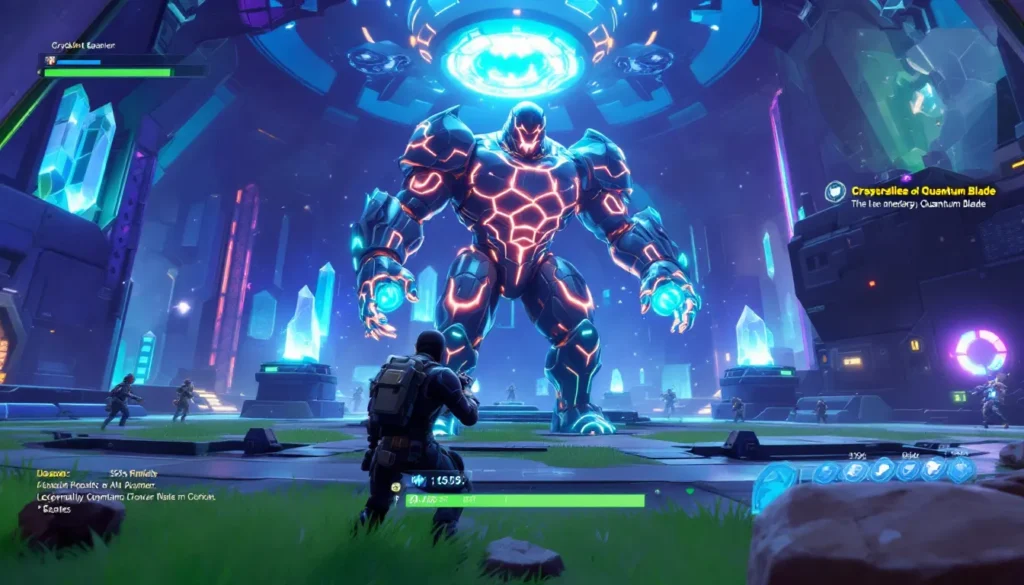
Fortnite’s battle royale island has been ground zero for some of gaming’s most memorable moments, and it’s been through a wild transformation since launch. From the original map’s iconic Tilted Towers to the modern zero-build redesign, every iteration brought new strategies, hotspots, and reasons to drop in. If you’re jumping back in or just curious how the map has shaped the game’s evolution, understanding this history matters. Whether you’re grinding ranked or just vibing in casual lobbies, knowing how the map influences gameplay separates veterans from newcomers. Let’s walk through every major Fortnite map era and what made each one tick.
Table of Contents
ToggleKey Takeaways
- Fortnite maps have fundamentally evolved across chapters—from dense, chaotic layouts in Chapter 1 to strategically balanced, seasonally rotated designs that accommodate multiple playstyles in 2026.
- Map knowledge directly influences competitive success; understanding POI locations, rotation paths, vehicle spawns, and Augment availability separates elite players from newcomers in ranked play.
- Chapter 3’s removal of building mechanics forced players to prioritize terrain, sightlines, and natural cover, proving that major gameplay shifts can be achieved through map redesign rather than weapon changes.
- Current Fortnite maps use modular seasonal design, rotating POIs and introducing temporary landmarks to keep gameplay fresh without requiring players to completely relearn rotations every few months.
- Your landing strategy should align with your playstyle—aggressive players thrive at dense POIs like Tilted Towers, while passive farmers benefit from uncontested map edges where resource farming takes priority over eliminations.
- Creative Mode maps and limited-time event variants have become essential for competitive skill development, enabling players to isolate mechanics and test strategies outside the unpredictability of battle royale RNG.
The Evolution of Fortnite’s Battle Royale Islands
Fortnite’s map has never stayed still. Epic Games didn’t just add cosmetics or weapons, they’ve rebuilt the entire island multiple times, scrapped old chapters, and introduced mechanics that fundamentally changed how players approach the game. This isn’t just visual refreshing: map changes directly alter the meta, shift rotations, and redefine what “good” landing spots are.
Each chapter brought a clear design philosophy. Chapter 1 was about density and chaos, cramming landmarks into every corner. Chapter 2 felt more expansive, with breathing room between major POIs. Chapter 3 leaned into environmental storytelling. Chapter 4 and beyond have experimented with seasonal rotations and modular map design. These aren’t accidents. They reflect how Epic learns what works competitively and what keeps casual players engaged.
Chapter 1: The Original Island That Started It All
Launch Map Features and Iconic Locations
When Fortnite Battle Royale dropped on September 26, 2017, the original island immediately became the blueprint for every BR map that followed. The 1×1 grid system defined player density in ways that still matter today. Tilted Towers, Retail Row, Pleasant Park, and Salty Springs weren’t just names, they were the meta anchors that determined survival rates and fight frequency.
The original map’s genius was its vertical spread. Named locations clustered in the central and northern regions, leaving the southern quadrants quieter for late-rotation players. This created natural skill-sorting: aggressive players had dense POIs to grind fights, while tactical players could farm loot uncontested. Landmarks like Lazy Links, Haunted Hills, and the Villain Lair offered mid-tier loot and secondary engagement zones.
POI density directly influenced rotation paths. Flush Factory to Retail Row to Pleasant Park was a standard early-game trio of rotations. Knowing these paths meant predicting enemy movement, and predicting enemy movement meant winning engagements before they started. This map forced resource management, mats were precious because farming took time, and that time cost positioning.
Seasonal Changes and Map Updates
Chapter 1 didn’t stay static. Seasons 3-10 introduced events that reshaped the map in real time. Rifts during Season 5, the volcano during Season 8, and the mech invasions of Season 10 all left permanent marks. The community watched meteorites rain down on Tilted, saw Loot Lake evolve through multiple iterations, and experienced the map’s first destruction events.
These weren’t just visual updates. The volcano introduced new rotations and forced players to navigate around lava zones. Tilted’s destruction scattered players across new POIs like Neo Tilted. Each transformation kept the meta fresh and demanded that experienced players relearn pathing.
The Ice King’s influence near the end of Chapter 1 froze portions of the map, creating temporary no-build zones and fundamentally altering how players approached northern rotations. By Season X, the original island was barely recognizable, a testament to how aggressively Epic iterated based on competitive feedback and community engagement.
Chapter 2: The New World and Redesigned Gameplay
Key Locations and Notable Changes
Chapter 2 launched on October 15, 2019, and introduced a completely fresh island. Out with the old chaos, in with a more grounded, tropical aesthetic. Instead of Tilted’s vertical aggression, Chapter 2 emphasized horizontal spread. Catty Corner, Holly Hedges, Weeping Woods, and Misty Meadows offered distinct biomes that forced players to adapt their playstyles based on terrain.
The Chapter 2 map was roughly 30% larger than its predecessor, but with fewer named locations packed more tightly. This meant longer rotations and more decision-making about which fights to take. The Authority, Agency, and Doomsday locations added spy-thriller flavor and complex interior layouts that rewarded map knowledge. Primal vaults introduced at POIs became loot hotspots for endgame loadouts.
Weapons also shifted in Chapter 2, and the map design facilitated those changes. Mythic weapons tied to boss NPCs at specific locations created new rotational priorities. Players weren’t just fighting for position, they were hunting for these game-changing items, and knowing which bosses spawned where became meta knowledge.
Compared to Chapter 1, Chapter 2 felt less cramped and more structured. Rotations were more predictable, which initially frustrated veterans. But over three seasons, it became clear that the redesign rewarded strategic pathing and macro-level planning over constant early-game fights.
Environmental Events and Map Transformations
Chapter 2’s environmental storytelling ran deep. The water level gradually receded over multiple seasons, revealing new POIs and altering visibility lines. The doomsday device activated at The Agency, creating a massive explosion mid-season and reshaping the loot economy. Later, the Seven’s corruption spread across the map, introducing reality breaks and anomalies that warped sightlines.
These events weren’t cosmetic flourishes. When new areas emerged from receding water (like Frenzy Farm), loot tables shifted. Mobility options changed when henchmen bases added choppers and boats. The zero-point corruption near the end of Chapter 2 created cover opportunities and changed which buildings were defensible.
The latter seasons of Chapter 2 teased the multiverse concept, with rifts and fractures appearing across the map. These weren’t just visual, rifts blocked rotations, required players to adapt, and set up the narrative for Chapter 3’s complete reset.
Chapter 3: The Zero Build Era and Modern Map Design
Map Layout and New Biomes
Chapter 3 (December 2021) dropped the zero-point explosion and literally fractured reality. The new island was smaller than Chapter 2’s, but denser. More importantly, Epic completely removed building mechanics at launch, then added it back as a toggleable feature. This fundamentally altered how players approached the map.
Without building, sightlines and terrain mattered exponentially more. Open areas like Rocky Reels became vulnerable zones where cover-less players got shredded. Forested areas like Rave Cave became defensive strongholds. The map layout was engineered for a ground-gameplay meta.
New biomes in Chapter 3 included volcanic zones, desert regions, and snowy areas, each with distinct loot tables and vertical space. Tilted Towers returned (again, redesigned), and fan-favorite locations like Coney Crossroads and Greasy Grove made comebacks. But these weren’t exact replicas: they were reimagined for zero-build gameplay.
The Reality Tree’s growth throughout Chapter 3 Seasons 1-4 progressively altered the map. Branches spread, creating new pathways and cover. Loot Lake flooded again, changing rotations for multiple seasons. The destructible elements gave players agency over their environment in ways building removal had taken away.
Vehicles, Landmarks, and Strategic Positioning
Chapter 3 introduced (and iterated on) vehicles as core rotation tools. Trucks, Whiplashes, and various rides weren’t just mobility, they were damage dealers and cover. Players had to factor in whether taking a vehicle revealed their position or saved precious rotate time. This added layers to decision-making that made the meta more complex, not simpler.
Landmarks became critical in zero-build. Colossal Coliseum, Greasy Grove, and Rave Cave offered loot density that couldn’t be accessed through building verticality. Knowing sight-lines from one landmark to another became as important as knowing rotate paths. Certain landmarks had vehicle spawns that determined end-game positioning.
The absence of building meant that natural cover (hills, trees, buildings) suddenly mattered far more. POIs with complex building layouts became powerhouses because they provided cover without needing to build. Compact areas became death traps. This forced a complete re-evaluation of location tier lists and hot drop strategies.
Chapter 4 and Beyond: Current Map Features
Latest Map Additions and Seasonal Rotations
As of 2026, Fortnite’s current map has stabilized into a modular seasonal system. Rather than complete chapter overhauls, Epic now rotates POIs, introduces temporary landmarks, and adjusts the map through seasonal events. This keeps the island fresh without requiring players to completely relearn rotations every three months.
Recent seasons have introduced Augments, powerful in-match bonuses that spawn at specific locations. This changed how players evaluate landmark value. A location might not have the best loot, but if it spawns a game-changing Augment (like increased weapon damage or unlimited sprint), it suddenly becomes a priority drop. The meta now accounts for RNG-based Augment availability, adding variance that keeps casual play exciting.
Vehicle meta has continued evolving. Current versions typically include choppers for rapid rotates, wheeled vehicles for speed, and sometimes limited-time vehicles that define entire seasons. The map’s road network and terrain dictate which vehicles are viable. Hilly terrain favors choppers: open areas favor wheeled vehicles. Strategic players consider vehicle spawns when planning rotations.
Weather systems and temporary map changes have become seasonal staples. Sandstorms reduce visibility, snow affects movement, and rain alters how sound propagates. These environmental factors don’t just change how the map looks, they fundamentally shift engagement ranges and positioning value.
How the Map Influences Competitive and Casual Play
In competitive Fortnite, map knowledge separates champions from try-hards. Pro players memorize every rock, every building height, and every sightline. The current map’s emphasis on landmarks and Augments means that tournament rotations are predictable, teams consistently hit the same POIs for consistent loot.
Casual players benefit from the modular seasonal design. They don’t need to learn an entirely new map every few months. Minor POI adjustments and temporary landmarks feel fresh without being overwhelming. This is intentional design that keeps long-time players engaged while lowering the skill floor for newcomers.
The balance between open areas and dense POIs creates natural skill sorting. Aggressive players can hot-drop into named locations and grind fights. Passive players can farm loot at uncontested landmarks and survive to late-game. The map structure accommodates multiple playstyles, which is why Fortnite’s audience spans from 8-year-olds to esports pros.
Competitive POI distribution also influences tournament pacing. When all teams rotate through the same three landmarks, early-game fights are inevitable, creating exciting spectator moments. This is likely intentional, Epic designs seasonal maps partly with broadcast viewing in mind. The best Fortnite moments happen when teams are forced to collide, and map design influences when and where that occurs.
Fortnite’s Creative and Limited-Time Mode Maps
Creative Mode Map Building and Community Favorites
Creative Mode launched in December 2018 and gave the community the tools to build custom maps. What started as a creative playground became a testing ground for competitive concepts. Players built ranked ladder maps, skill-check courses, and reimagined classic locations.
Some Creative maps achieved near-legendary status. Box-fighting maps became so prevalent that they shaped how the competitive community trained. Deathrun maps brought parkour and puzzle-solving. Aim-trainers gave players isolated scenarios to improve specific mechanics. These weren’t official maps, but they were often more valuable for skill development than the main BR mode.
Epic noticed this and started incorporating Community Creations into official rotation. The best Creative maps get featured, gain traffic, and their creators earn Creator Fund payouts. This created a feedback loop where top creators continuously push the boundary of what’s possible in Creative. Modern Creative maps often have production quality rivaling official content.
The competitive scene uses Creative maps extensively. Teams scrim on custom maps before tournaments. Ranked grinders perfect mechanics on training maps. Without Creative Mode, Fortnite’s skill ceiling would be significantly lower because players couldn’t isolate specific mechanics without BR’s RNG interference.
Unique Maps in Limited-Time Events
Limited-time modes (LTMs) have occasionally introduced map variants. Close Encounters forced close-range combat through weapon restrictions. Solid Gold limited weapons to legendary tier only, changing how players valued landmarks. Sniper Shootout made high-ground positioning suddenly valuable because hitscan weapons were removed.
Unforget the Island-wide events. When meteors fell on Tilted in Chapter 1 or when the vault explosion happened in Chapter 2, the entire player base experienced the map transformation in real time. These moments created collective memories, everyone remembers where they were when the Zero Point exploded or when the Reality Tree first appeared.
Seasonal LTMs have introduced temporary map zones too. Horde Rush removed building entirely and reshaped the map for wave-based PvE survival. Fortnitemares introduces temporary spooky landmarks during October. These aren’t permanent changes, but they break up the standard BR flow and keep veteran players from getting stale. After hundreds of hours on the same map, temporary variants remind players why they loved the game initially.
Pro Tips for Mastering Current Fortnite Maps
Navigation and Hot Drop Strategies
Hot dropping is a high-risk, high-reward play that’s all about map density knowledge. The best hot drops are named locations with 8+ buildings and guaranteed loot spawns. Current strong options include Tilted Towers, Greasy Grove, and Coney Crossroads, locations where aggressive players converge. If you’re landing hot, you’re committing to early fights, so choose a POI with multiple loot sources and escape routes.
Non-competitive players should avoid hot drops. Instead, identify secondary landmarks with decent loot tables that won’t have full lobbies. The map always has 2-3 underutilized POIs each season. These spots have enough loot to gear up fully but won’t put you in constant fights. Landing slightly offset from major POIs (like landing near a POI but not in it) gives you safety margin while still accessing nearby loot.
Navigation after looting requires understanding the circular storm pathing. The storm randomizes, but the map’s geography dictates rotation speed. Open areas demand vehicles or fast rotations. Forested areas let players move through cover. Learning which rotations are “safe” (enemies unlikely to rotate through) versus “hot” (multiple teams converge) separates good rotations from lucky ones.
When rotating, predict enemy movement based on zone location. If the next zone is south and you’re north, teams will gravitate toward northern rotates. This is where map knowledge wins fights. You can position ahead of the natural rotation and catch enemies mid-move, forcing disadvantageous engagements.
Use natural cover during rotates. Running through open space gets you spotted by aerial players or scoped snipers. Funneling through terrain, trees, and buildings keeps you off the radar. The current map has distinct rotation corridors, learning them prevents ambushes and keeps you alive longer.
Landing Spots for Different Play Styles
Aggressive Players: Hot drop at Tilted Towers, Greasy Grove, or Coney Crossroads. You want maximum early-fight opportunity. These POIs have fight density that rewards mechanical skill. If you win early fights, you’ll be stacked with heals and mats by mid-game. The best weapon choices for aggressive play often determine whether hot drops net eliminations or quick eliminations.
Balanced Players: Land at secondary landmarks with 3-5 buildings and decent loot. Colossal Coliseum, Rocky Reels, and smaller named POIs let you gear up while avoiding the chaos. You’ll typically see 1-2 teams at these spots, forcing tactical fights where positioning matters more than raw aim. This playstyle teaches decision-making.
Passive/Farmer Players: Land at completely uncontested areas on the map’s edges. Spend early-game farming mats (trees, rocks, houses). By mid-game, you’ll have 500+ mats while aggressive players are depleted. This strategy trades eliminations for late-game resources and positioning. It’s less exciting but dramatically increases your survival rate to endgame.
Competitive/Ranked Players: Landing varies by tournament ruleset, but generally, teams contest their assigned named location or rotate to a loot-rich secondary spot. Knowing exact loot spawns and expected enemy rotations matters more than hot dropping for kills. Scrimmage experience teaches team landing spots that optimize resource gathering while minimizing early eliminations.
Competitive players analyzing current Fortnite events and seasonal updates stay informed about map changes that affect tournament rotations. A single POI adjustment or loot table modification can shift entire team strategies, so staying current is non-negotiable.
The modular seasonal map design means landing spots shift frequently. What was meta last season might be irrelevant this season if a POI rotates out or changes loot tables. Flexibility and the ability to quickly adapt are more valuable than rigid landing strategies. Spend time each season re-evaluating the map and testing new drop spots.
Overall, successful navigation comes down to understanding your playstyle, the map’s layout, and how enemy movement follows predictable patterns. Mastering these three elements will elevate your performance regardless of skill level. Professional coverage of map strategy is widely available through outlets like Dexerto and GameSpot, where competitive analysts break down pro rotations and tournament-winning strategies. Even casual players benefit from watching how pros approach the map, the principles translate regardless of competitive aspirations.
For those deep-diving into map mastery, understanding how season-to-season changes affect overall Fortnite strategy is essential. The map isn’t static, and neither should your approach be. Adapt, experiment, and most importantly, enjoy learning every corner of the island.
Conclusion
Fortnite’s maps have evolved from a chaotic density experiment in Chapter 1 to a carefully balanced, seasonally rotated landscape in 2026. Each iteration taught Epic something valuable about game design: Chapter 1 proved what doesn’t work (too much chaos), Chapter 2 showed the value of horizontal expansion, Chapter 3 demonstrated that removing mechanics entirely could still create engaging gameplay, and Chapter 4+ proved that seasonal flexibility beats complete overhauls.
For players jumping in today, understanding this evolution provides context. The map isn’t random, it’s deliberately engineered to accommodate aggressive fighters, passive farmers, balanced players, and competitive teams simultaneously. That’s why Fortnite has sustained a massive, diverse player base for nearly a decade.
The real takeaway? Maps matter. They’re not just visual candy, they’re the foundation of strategy, rotations, and engagement patterns. Whether you’re pushing for ranked success or just vibing in casual lobbies, knowing the map gives you an edge. And as Fortnite continues evolving, expect the map to remain the most hotly debated, frequently iterated, and eventually most important element of the entire game.