Fortnite keeps reinventing how cosmetics work, and the Music Pass is one of the best additions to drop in recent years. If you’re tired of the same battle pass grind but love collecting music tracks and exclusive cosmetics, the Music Pass offers a fresh way to earn rewards while vibing to some seriously good soundtracks. Whether you’re a casual player who just wants cool audio cosmetics or a completionist chasing every skin variant, understanding how the Music Pass works is key to getting the most value out of your investment. This guide breaks down everything you need to know about the Fortnite Music Pass in 2026, from pricing and progression to exclusive rewards and strategies that’ll help you unlock everything faster.
Table of Contents
ToggleKey Takeaways
- The Fortnite Music Pass is a 100-tier seasonal cosmetic bundle exclusively featuring licensed music tracks, emotes, skins, and audio cosmetics tied to featured artists and genres.
- At 950 V-Bucks ($9.99 USD), the premium Music Pass mirrors battle pass pricing and does not guarantee V-Bucks refunds, making it a final cosmetic investment rather than a self-paying purchase.
- Completing daily and weekly challenges is the fastest progression path, requiring 30–45 minutes of focused playtime daily to reach tier 100 before the season ends.
- Music Pass cosmetics are permanently exclusive to their seasonal pass and rarely reappear in the item shop, creating genuine value and exclusivity for completionists.
- All platforms (PC, PlayStation, Xbox, Switch, iOS, and Android) have full access to the same Fortnite Music Pass rewards tied to your Epic Games account.
What Is the Fortnite Music Pass?
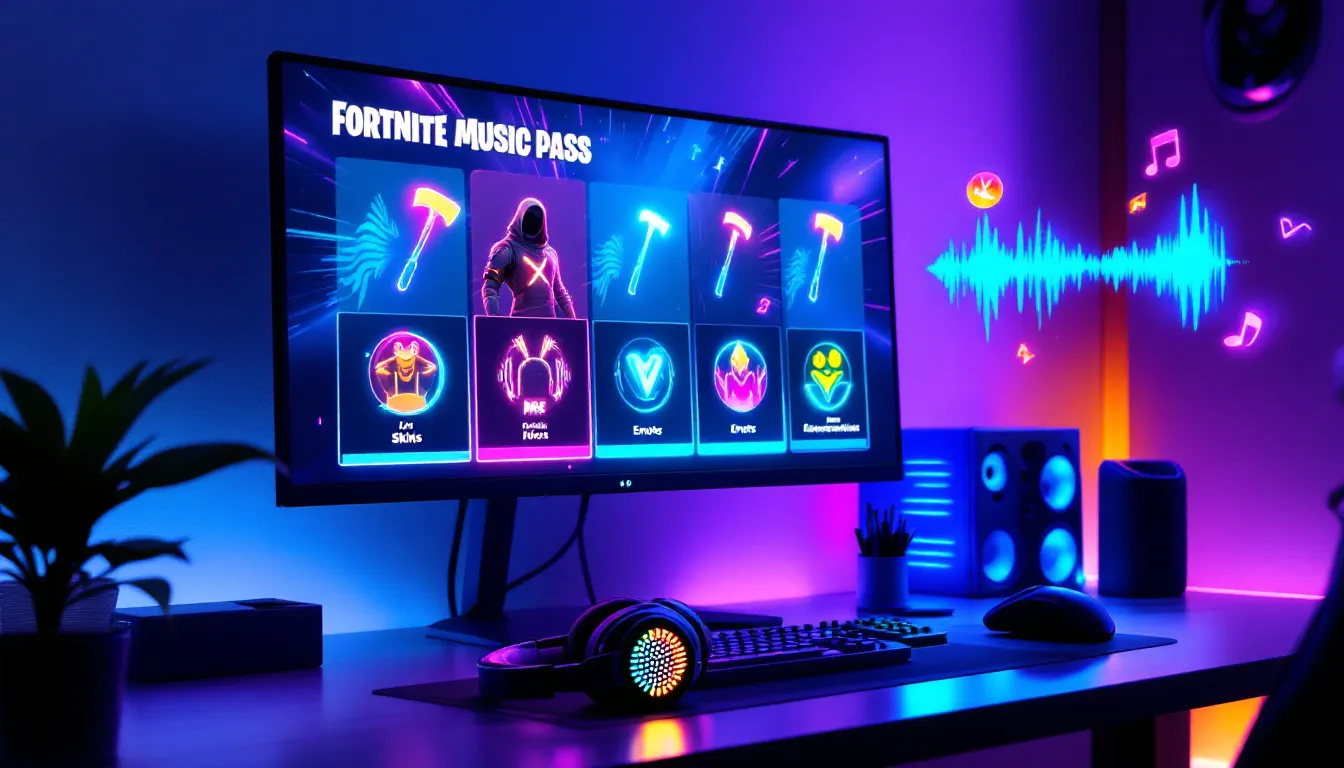
The Fortnite Music Pass is a seasonal cosmetic bundle designed specifically around audio and music-themed rewards. Unlike the battle pass, which focuses on general cosmetics and gameplay progression, the Music Pass centers on licensed music tracks, emotes tied to songs, special audio cosmetics, and music-themed skins. It’s Epic Games’ answer to players who want a dedicated path to collect curated soundtracks and music-related cosmetics without mixing them into the standard battle pass system.
Essentially, the Music Pass gives you a structured tier-based progression system exclusively for music cosmetics. You unlock items by completing challenges and leveling up, just like the battle pass, but every reward is music-adjacent. This could be a new Lobby Music Track, an emote that dances to a specific song, a pickaxe with musical sound effects, or a skin inspired by a featured artist or music genre. The pass typically runs for a full season and resets when the next one launches.
Epic introduced the Music Pass to address a specific demand: players loved the vibe cosmetics (music tracks, emotes, instruments) but found them scattered across different cosmetic lines. The Music Pass consolidated them into one cohesive, themed track, making it easier for music-first gamers to grab what they wanted without hunting through the item shop each week.
How the Music Pass Works
The Music Pass operates on a tiered progression system that mirrors the battle pass structure, but with its own unique rhythm. You earn progress by completing dedicated Music Pass challenges, playing matches, and sometimes by purchasing tiers directly with V-Bucks. Understanding the mechanics will help you map out exactly how much effort you need to hit max tier.
Seasonal Tiers and Progression
The Music Pass is typically structured with 100 tiers (though Epic has experimented with different numbers). Each tier unlock grants you one or more music-related cosmetics: a track, an emote, a skin, or audio effects. Progression happens through:
- Daily Challenges: Music Pass-specific dailies that award small amounts of progress. Completing all seven gives a bonus.
- Weekly Challenges: Larger challenges that unlock mid-way through the week and reward bigger chunks of progress.
- Match-Based Progress: Playing any game mode accumulates passive progress toward the next tier. This is slow but guarantees eventual completion if you’re active.
- Tier Skips: You can purchase tier skips with V-Bucks, which jumps you forward one tier instantly. This is the premium acceleration option.
The season typically runs 10 weeks, which gives you a reasonable timeline to hit tier 100 if you’re moderately active. Casual players who log in a few times a week should be able to complete the pass: hardcore grinders can finish it much faster and focus on other seasonal content.
Free vs. Premium Tier Differences
Like the battle pass, the Music Pass has a split reward structure:
- Free Tier: If you don’t purchase the premium pass, you still earn rewards at certain tiers (usually every 5-10 tiers). These are usually introductory cosmetics: a basic music track, maybe a common emote, or a low-tier variant.
- Premium Tier: Purchasing unlocks the full tier progression. Every tier becomes accessible, and you get access to the best music collaborations, exclusive skins, pickaxes with custom sound design, and rare emotes tied to specific artists.
The premium Music Pass typically costs around 950 V-Bucks (roughly $9.99 USD), which is the same as the battle pass. Epic sometimes bundles it with the season’s battle pass or offers discounts during launch week. If you complete the full pass and have remaining challenges, you might earn enough V-Bucks back to offset the cost or even profit, though this isn’t guaranteed.
Many players find the premium Music Pass worth it specifically for the exclusive collaboration cosmetics. If a featured artist is someone you care about, the skins and emotes are often impossible to get anywhere else.
Exclusive Rewards and Cosmetics
The real appeal of the Music Pass is the exclusive cosmetic lineup. Here’s what you can typically expect to unlock across the 100 tiers.
Music Tracks and Audio Cosmetics
This is the bread and butter of the Music Pass. You’ll unlock multiple Lobby Music Tracks from featured artists, remixes of popular songs, or original compositions created specifically for Fortnite. These aren’t just background music, they’re premium, often licensed tracks that might not appear in the item shop for months (if ever).
Beyond lobby music, you’ll get Emote Music Tracks tied to specific emotes. These are often the most valuable rewards because they combine two cosmetics into one: an emote that plays a particular song, making them instant favorites for creative content creators. Some passes also include Audio Cosmetics like pickaxe swing sounds or weapon firing sound effects that match the music theme.
Recent seasonal passes have featured exclusive tracks from artists like The Weeknd, Travis Scott, and Snoop Dogg (though these were special collaborations: standard Music Passes rotate between various genres and producers). The audio quality is always high, and many players keep these lobbies active year-round simply for the soundtrack.
Skins, Emotes, and Pickaxes
Along with music tracks, you’ll unlock music-themed skins inspired by artists, genres, or music culture. These aren’t always literal artist appearances, sometimes they’re stylized interpretations, like a DJ-inspired outfit, a K-pop-influenced character, or a glitch-art aesthetic tied to electronic music. Tier 100 (or another high-value tier) typically features the marquee skin of the pass.
Pickaxes in the Music Pass are custom-designed with audio design in mind. Swinging one might produce melodic chimes, percussive hits, or instrument samples instead of standard combat sounds. These add personality to your loadout without affecting gameplay.
Emotes are everywhere in the Music Pass, both music-synced dancing emotes and gesture-based performance moves. These are excellent for creative modes and party royale showcases.
Limited-Time Item Variants
Some tiers unlock exclusive Outfit Variants or Weapon Skins with music-themed color schemes or styling. These are often variants of the season’s main skins, giving you multiple looks to choose from. Epic occasionally includes Back Bling (cosmetic backpacks) designed to match the music aesthetic, or even Gliders with musical themes.
The catch: these rewards are exclusive to the Music Pass season they drop in. Once the season ends, they’re gone forever unless Epic re-releases the entire pass (which rarely happens). This creates genuine FOMO for completionists, which is exactly why many players prioritize the Music Pass over other cosmetic sources. The exclusivity is real, and the variants often look incredible.
Pricing and Purchase Options
Understanding the cost-benefit of the Music Pass is crucial before you commit.
Premium Pass Cost and Value
The Music Pass premium tier typically costs 950 V-Bucks, which converts to approximately $9.99 USD when buying the minimum V-Bucks bundle. This matches the battle pass price point, but Epic frames it as a separate purchase for a reason: you’re not forced to buy it if you don’t care about music cosmetics.
Value assessment comes down to your taste in the featured artists and music themes of that season. If you love electronic music and the season features Calvin Harris remixes and synth-pop skins, the pass is obviously worth it. If the season leans into hip-hop but you’re not interested, skipping makes sense.
A crucial point: the Music Pass does not directly grant V-Bucks back upon completion, unlike the battle pass (which often refunds its cost if you complete certain tiers). Some seasonal Music Passes have included V-Bucks rewards, but it’s inconsistent. Plan on the purchase as a final expense, not an investment that pays itself back.
Epic also sometimes discounts the Music Pass during the first week of a season or bundles it with the battle pass at a slight savings. Checking the shop before purchasing is smart if you’re on a budget.
V-Bucks Bundle Deals
When you buy the Music Pass premium tier, you’re purchasing it with V-Bucks, which you acquire separately. Here’s where the pricing gets slippery:
- 950 V-Bucks (the Music Pass cost): You need to buy a V-Bucks bundle. The lowest-priced bundle that covers this is typically 1,000 V-Bucks for $9.99 USD, leaving you with 50 V-Bucks leftover.
- Larger bundles: If you already have V-Bucks from previous purchases or battle pass refunds, you might have enough to grab the Music Pass without spending more real money.
- Platform pricing: Prices vary slightly by region and platform (PC, PlayStation, Xbox, Switch, Mobile). US pricing is standard, but European and other regional prices adjust for VAT and local currency.
Some players buy larger V-Bucks bundles (like 2,800 for $24.99) when the Music Pass launches, bundling it with other cosmetic purchases to maximize value per dollar. This is a personal budget decision, but the pass itself is never discounted below 950 V-Bucks: only bundle deals reduce the per-V-Buck cost.
Critical tip: never panic-buy cosmetics. If a Music Pass is coming and you’re interested, wait until the first week of the season to confirm the rewards you actually want before spending real money.
Tips to Maximize Your Music Pass Progress
If you’ve purchased the premium Music Pass, grinding it to tier 100 shouldn’t feel like a chore. Here’s how to optimize your progression.
Daily and Weekly Challenges
Completions of challenges are the fastest way to tier up. Here’s the strategy:
- Knock out dailies early: Log in and complete the three daily challenges as soon as possible. This takes 15–30 minutes depending on the challenges, and it gives guaranteed progress. Seven-day streaks often come with bonus tier progress, so consistency is rewarded.
- Don’t sleep on weeklies: Weekly challenges drop at the start of each week and provide 2–3x the progress of a single daily. Prioritize these, even if they take longer (like “get 5 eliminations in Team Rumble” or “place top 10 in 10 matches”). Completing all weeklies in a season is nearly equivalent to completing the entire pass.
- Stack challenges strategically: If a challenge asks for “3 headshot eliminations” and another asks for “deal 200 damage with sniper rifles,” pair them. Land at a sniper spawn and knock out both at once. This saves time and keeps you motivated.
- Use Team Rumble for easy challenges: If challenges require specific weapon types, locations, or eliminations without a skill requirement, Team Rumble is your friend. Respawning makes grinding passive challenges faster.
A realistic timeline: 30–45 minutes of focused challenge completion per day, plus passive progress from playing normally, should get you to tier 100 by week 8–9 of a 10-week season.
Battle Pass Integration Strategies
The Music Pass and the seasonal Battle Pass coexist. Here’s how to make them work together:
- Align challenges: Some challenges might overlap (e.g., both passes want you to get eliminations in a specific mode). Do them simultaneously. Every match counts for both progressions.
- Don’t burn out on both: If you’re grinding both passes hard, you risk burnout. Prioritize the one with cosmetics you care more about. Skip the other some days.
- Track your timeline: The What Time Does the Fortnite Season End guide details the exact cutoff for seasonal progress. Both passes expire at the same time, so plan your final push accordingly.
- Use impending deadlines: In the final week of a season, if you’re close to tier 100 on either pass, the pressure often motivates completion. Don’t leave it until the last day unless you’re confident.
Tip for hardcore players: the Music Pass challenges are often simpler than battle pass challenges. Knock out Music Pass tiers first, then focus remaining time on the battle pass. This ensures you don’t miss exclusive music cosmetics due to poor time management.
Current and Upcoming Music Passes
As of 2026, Fortnite’s Music Pass has evolved into a staple seasonal offering. Here’s what to expect moving forward.
Featured Artists and Collaborations
Each seasonal Music Pass centers on a theme or set of featured artists. Recent passes have included:
- Electronic/Synth Focus: Featuring producers and DJ-inspired cosmetics with pulsing neon aesthetics.
- Pop/Hip-Hop Collaborations: Partnering with mainstream artists for exclusive skins and remixes.
- International Music Themes: K-pop, Latin trap, and regional genres getting dedicated passes with culturally inspired designs.
- Original Fortnite Compositions: Epic’s own composers creating exclusive tracks that won’t appear elsewhere.
The strength of a Music Pass hinges entirely on whether you vibe with the featured artists. If you’re not familiar with the collaborating musicians or producers, research them before buying. Watching gameplay clips featuring the skins and listening to preview clips of the music tracks on the Fortnite music content helps you decide if the aesthetic matches your taste.
A resource like GamesRadar+ often has detailed breakdowns of upcoming cosmetics before they release, which can help inform your purchasing decision. Knowing exactly what you’re buying prevents regret.
Release Schedule and Seasonal Updates
Fortnite seasons typically last 10 weeks. The Music Pass launches on day one of a new season and remains active until the season ends. Epic hasn’t announced rotation schedules for repeat passes, so assume each pass is seasonal and exclusive.
The release cadence:
- New Music Pass every season: When Chapter 6 began in 2026, a new Music Pass launched. Expect this pattern to continue unless Epic changes strategy.
- Mid-season updates: Some seasons include cosmetic drops or bonus tiers added mid-season, occasionally with new music tracks or variants.
- Event tie-ins: During major Fortnite events (like the When Is the Fortnite Event Today calendar indicates), Music Pass rewards might align with event themes or feature exclusive event-tied music.
For confirmed release dates and coming Music Passes, check the in-game Fortnite news feed or the official Fortnite social channels. Epic usually teases the next season’s theme and featured artists about a week before the season kicks off.
Frequently Asked Questions About the Music Pass
Can I earn V-Bucks back from the Music Pass?
Unlike the battle pass, the Music Pass does not guarantee V-Bucks refunds upon completion. Some seasonal passes have included V-Bucks rewards at certain tiers, but this is inconsistent. Purchase the Music Pass as a cosmetic investment, not an economic transaction.
What happens if I don’t complete the Music Pass before the season ends?
Unlocked tiers expire. Any tier you haven’t reached becomes permanently locked once the season ends. This is why rushing the final week is important if you’re close to tier 100. You can’t carry over incomplete progress to the next season.
Can I buy tier skips to reach tier 100 instantly?
Yes. Tier skips cost V-Bucks (typically 150 V-Bucks per tier). Skipping all the way from tier 1 to tier 100 would cost 14,850 V-Bucks, roughly $150 USD. This is obviously not recommended unless you’re extremely busy and determined to get the tier 100 skin no matter what.
Are Music Pass cosmetics available in the item shop later?
Rarely. Music Pass exclusives are designed to stay exclusive. Epic occasionally re-releases battle pass cosmetics (legacy cosmetics), but Music Pass items are kept locked to preserve their exclusivity. There’s no confirmation that this will change in 2026.
Do I need the battle pass to enjoy the Music Pass?
No. The Music Pass is entirely separate. You can buy the Music Pass without the battle pass and still access all music-related rewards. But, challenge overlap and cosmetic synergy make owning both more fun for serious players.
Which platform gets Music Pass cosmetics?
All platforms (PC, PlayStation, Xbox, Nintendo Switch, iOS via cloud, and Android) have access to the same Music Pass and cosmetics. Cosmetics are tied to your Epic account, not your device. Cross-platform compatibility is seamless.
When do new Music Pass cosmetics get revealed?
Epic typically releases a full cosmetic showcase (skins, emotes, tracks, and variants) at the start of each season. Major collaborations might be teased earlier via social media. Websites like Twinfinite often leak or preview cosmetics before official announcements, so following gaming news outlets keeps you in the loop.
Conclusion
The Fortnite Music Pass is a solid option for players who care about audio cosmetics, exclusive skins, and music-themed rewards. At 950 V-Bucks per season, it’s a reasonable investment if the featured artists or aesthetic resonate with you. The key to getting full value is understanding the tier progression, planning your challenge completion timeline, and being honest about whether the seasonal cosmetics align with your taste before buying.
Don’t feel obligated to grab the Music Pass every season. Epic designs each one around specific themes and artists, so it’s perfectly fine to sit out seasons that don’t appeal to you and jump in when the music or cosmetics match your vibe. The exclusivity of Music Pass rewards means there’s real value in the cosmetics you unlock, they won’t appear elsewhere.
If you’re committed to completing the pass, you’ll need 30–45 minutes of daily focus spread across the season, with heaviest grinding in the final week. Pair Music Pass challenges with battle pass challenges where they overlap, and you’ll hit tier 100 without excessive time investment. The result: exclusive music tracks, themed skins, and cosmetics that cement your identity in the lobby. That’s the real draw of the Music Pass in 2026.