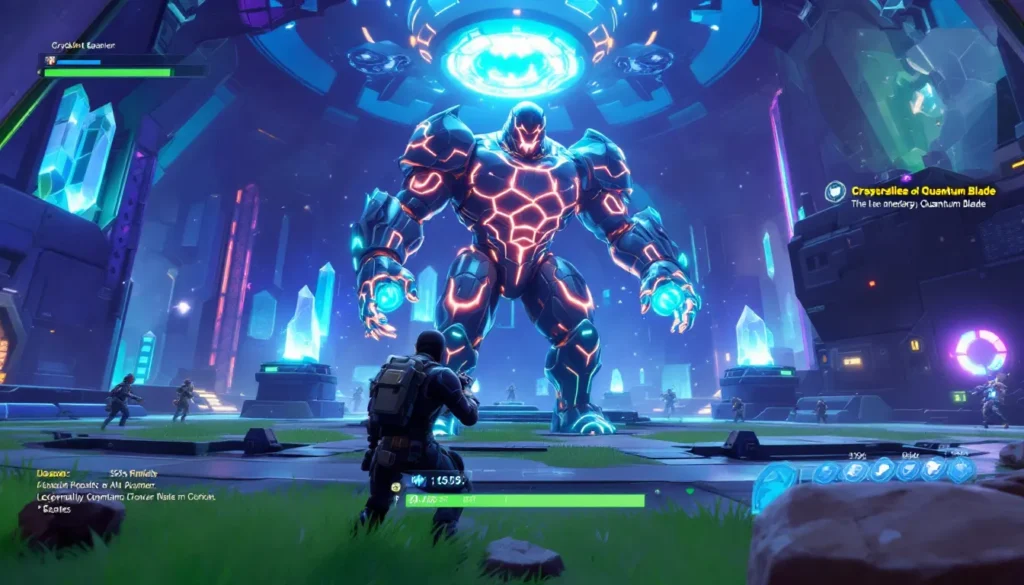
Fortnite Season 5 brought a fresh wave of cosmetics, challenges, and progression systems that rewarded players for their time investment. Whether you’re grinding for the final Tier 100 skin or just curious about what’s worth unlocking, understanding the battle pass structure is essential to maximizing your rewards. This guide breaks down the entire Fortnite Season 5 battle pass, from tier progression mechanics to exclusive skins and how to efficiently complete challenges. If you’re jumping in now or planning your strategy, you’ll find everything you need to know about cosmetics, pricing, and how to get the most value from your purchase.
Table of Contents
ToggleKey Takeaways
- The Fortnite Season 5 battle pass features 100 tiers with four main customizable skins and dozens of accessories, offering exceptional value at 950 V-Bucks ($9.99 USD).
- Weekly and seasonal challenges provide the fastest progression routes, allowing dedicated players to reach Tier 100 without purchasing tier skips by completing challenges consistently.
- Strategic challenge organization—landing at locations with multiple objectives and using Team Rumble mode—cuts grinding time significantly and keeps progression manageable.
- Story-driven NPCs and seasonal quests scattered across the map grant massive XP bonuses, making them the most efficient path for accelerating tier progression.
- The free battle pass track provides 5-10 cosmetics for non-paying players, while the premium battle pass unlocks full 100-tier progression exclusively through gameplay after purchase.
- Missing seasonal cosmetics in Fortnite Season 5 becomes permanent as battle pass rewards never return to progression, making timely engagement essential for collectors.
What’s New in Fortnite Season 5: Overview and Themes
Season 5 marked a significant shift in Fortnite‘s overall aesthetic and gameplay focus. Epic Games introduced a heavily cinematic narrative arc that tied cosmetics directly into the seasonal storyline, giving players a reason to care about more than just the skins themselves.
The thematic direction centered on exploration and legendary bounty hunters, bringing a gritty, action-movie vibe to the island. NPCs scattered throughout the map offered quests and storyline progression, meaning cosmetics weren’t just visual upgrades, they connected to the broader universe Epic was building. This shift made the battle pass feel less like a shopping menu and more like an actual progression journey.
Character designs reflected this new direction. Rather than abstract or cartoon-styled skins, Season 5 favored grounded, tactical aesthetics with multiple customization styles. Players could unlock alternate forms for several Tier 100-adjacent cosmetics, allowing for personalization without requiring additional purchases. The inclusion of legacy skins and callbacks to earlier Fortnite eras also gave long-time players nostalgic options to switch between during matches.
Battle Pass Tiers and Progression System Explained
The Fortnite Season 5 battle pass followed the standard 100-tier structure, but the progression speed received tweaks from previous seasons. Completing daily challenges granted consistent XP, while weekly challenges offered larger rewards. Seasonal Quests, those tied directly to the story, provided bonus XP that accelerated your climb toward higher tiers.
Here’s the core mechanic: Each tier requires a set amount of Battle Pass XP. Completing challenges and playing matches earned XP toward your next tier. The system was designed so dedicated players could reasonably reach Tier 100 without spending V-Bucks on tier skips, though the option existed for those short on time.
Epic adjusted XP values throughout the season based on player feedback. Early reports indicated the grind felt steeper than Season 4, but hotfixes improved the curve by mid-season. By the final month, players had multiple pathways to level up efficiently, making the end-game push less punishing.
How the Free Battle Pass Differs From Premium
Fortnite offers two battle pass tracks: Free and Premium. The Free track provided roughly 5-10 cosmetics spread across various tiers, giving non-paying players access to at least some seasonal content. These free rewards typically included a skin, glider, and emotes, though they were less elaborate than premium options.
The Premium track (costing 950 V-Bucks, roughly $9.99 USD) unlocked the full 100 tiers with significantly more cosmetics. Premium players received four full character skins, multiple pickaxes, gliders, emotes, wraps, and loading screens. The value proposition was straightforward: if you played regularly and cared about cosmetics, premium justified the cost through sheer volume of unlocks.
Critically, premium battle pass progress wasn’t gated behind a paywall once purchased. You didn’t need to spend additional V-Bucks to reach higher tiers: you earned them through gameplay. Tier skips were optional, not required.
Accelerating Your Tier Progression
Seasonal challenges provided the fastest XP gains. Completing all seven weekly challenges in a single week could net 5,000+ XP, equivalent to 1-2 full tiers depending on season progression. Spreading weekly challenges across the entire season ensured consistent forward momentum without burnout.
Daily challenges offered smaller but reliable gains. Three challenges per day meant 15 potential completions per week. While individual daily challenges granted less XP than weeklies, completing them consistently added up fast. Veterans often knocked out all dailies in 10-15 minutes.
Seasonal quests were Season 5’s secret weapon for XP farming. Story-driven challenges tied to NPC interactions and map events granted massive XP bonuses. Players who engaged with these quests exclusively could skip large portions of the standard grind. By mid-season, savvy players had identified optimal quest paths that prioritized highest-reward challenges.
Party Assist, an underutilized feature, allowed squad members to combine progress on difficult challenges. If your team couldn’t complete an objective solo, pooling efforts made it manageable. This mechanic made those pesky “get 5 eliminations in a single match” challenges far less frustrating.
Legendary Skins and Exclusive Cosmetics
Season 5’s skin roster was one of the strongest lineups Epic had released in years. The four main cosmetics spanning the 100-tier track each received two customizable styles, essentially doubling the cosmetic variety without requiring additional purchases. This level of customization depth set Season 5 apart from earlier seasons.
The progression felt satisfying because cosmetics were distributed strategically. A new skin arrived every 25 tiers, preventing the grind from feeling monotonous while ensuring players always had something new to unlock. Most players reached Tier 50 and had already secured two fully customizable skins by mid-season.
Limited-time cosmetics available only during Season 5 created urgency. Unlike vaulted items that occasionally rotated back into the shop, some battle pass cosmetics only appeared during the season. This exclusivity made active participation feel rewarding compared to passive players who missed out.
Tier-by-Tier Skin Lineup and Customization Options
The first skin arrived around Tier 5-10, giving players early momentum. This starter skin had a clean, tactical design and came with two color variants reflecting different faction allegiances within the season’s story.
Tier 35-40 introduced the second major skin, typically the most visually striking. This cosmetic often received three distinct styles, original, alternate timeline, and a corrupted variant. Customization extended to accessories like masks, armor plating, and colors. Players could mix and match parts from different styles, creating hundreds of potential combinations.
Tier 70-80 brought the third skin. By this point, players were deeply invested in the season’s narrative, and the cosmetic directly reflected story progression. This skin was frequently a legendary-tier character with significance to Season 5’s overall arc. Its styles included post-battle damage effects, making it visually distinct as you played matches.
Tier 100 cosmetics were always the crown jewels. The final skin required maxing out your battle pass entirely. It featured the most elaborate design, premium animations, and typically came with five or more distinct styles. This tier-100 skin became the visual marker of dedicated players who’d completed the full grind.
Signature Items: Pickaxes, Gliders, and Emotes
Beyond skins, pickaxes were crucial cosmetics for many players. Fortnite fans developed strong preferences for weapon wraps and harvesting tools. Season 5 delivered pickaxes with unique animations, some had particle effects on swing, others produced distinct sound effects. A tier-50 pickaxe might feature glowing runes or pulsing energy, making your harvesting visually gratifying.
Gliders received similar attention. Deploying your glider in combat is brief but visible to all players. Season 5 gliders incorporated the seasonal theme directly. Sky-themed gliders had particle trails, while mechanical designs featured wind-up animations. Some cosmetics had glow-in-the-dark elements that stood out at night.
Emotes rounded out the cosmetic package. Every 15-20 tiers, players unlocked a new emote, some were brief laugh animations, others were elaborate dance sequences lasting 5+ seconds. Emotes built community culture: certain Season 5 emotes became iconic within the playerbase. Controversial or memetic emotes got way more use than standard laughs or waves.
Wraps and loading screens filled out remaining tiers. While less flashy than skins, weapon wraps applied visual themes to every gun you picked up, and Season 5’s designs were thematically coherent. Loading screens provided lore context and gave artists a canvas for cinematic storytelling.
Battle Pass Challenges and Weekly Quests
Weekly challenges formed the backbone of Season 5’s progression economy. Epic released seven new challenges every Thursday (in most regions), each tied to specific objectives. Destroy a vehicle, get headshots with sniper rifles, open supply drops, or deal damage to opponents, the challenge variety kept gameplay fresh across different playstyles.
The difficulty curve was intentional. Early-week challenges could be completed in casual matches: late-week challenges required specific loadouts or tactics. A “land at specific locations” challenge took five minutes. A “get 5 eliminations in a single match while affected by storm” challenge demanded focus and skill. This progression ensured casual and hardcore players both felt challenged.
Weekly challenges reset every seven days, meaning you could complete them at your own pace without fear of losing progress. Missing a week didn’t permanently set you back: you could stack multiple weeks’ worth of challenges and grind them when convenient. This flexibility made Season 5 accessible to players with irregular schedules.
Completing Seasonal Challenges Efficiently
The most efficient approach was identifying which challenges naturally overlapped. A challenge to “get eliminations at Pleasant Park” paired perfectly with “open chests at Pleasant Park.” By landing at one location and completing two challenges simultaneously, you cut grind time in half.
Daily challenges rewarded discipline. Logging in for 10 minutes to knock out three dailies meant 1,050+ XP per day with no additional effort required. Multiplied across a week, that’s 7,350 XP, equivalent to a full tier. Treating dailies as a daily ritual turned the grind into manageable chunks.
Seasonal quests required active engagement with the map. NPCs stationed at specific locations offered multi-step quests that took 10-15 minutes per quest line. Completing a full quest line granted massive XP rewards. Players who identified all NPC locations and quest chains could complete them in batches, farming hundreds of thousands of XP over several weeks.
Party Assist remained the hidden MVP for challenge completion. Difficult challenges like “get 3 eliminations without reloading” became trivial when four players coordinated. You could designate one player as the challenge carrier while others provided cover. This cooperative approach made frustrating challenges manageable and encouraged squad play.
Playlist selection mattered too. Zero Build modes had completely different challenge types than Build modes. Challenges specifically for Zero Build were easier to complete in non-building playlists, while traditional Build challenges required building proficiency. Matching your playlist to challenge requirements maximized efficiency.
Bonus Rewards and Hidden Cosmetics
Season 5 included secret cosmetics unlocked through specific challenge combinations. Completing all 70 weekly challenges granted access to a hidden bonus skin style, essentially a fifth character style only ultra-dedicated players obtained. This meta-cosmetic created achievable goals for completionists without locking essential content behind unrealistic requirements.
Secret challenges existed throughout the season. Visiting specific landmarks in a particular order, or dealing damage with specific weapons while standing in certain zones, revealed hidden quests. The community actively hunted for these secrets, and solving them felt like genuine discovery rather than a battle pass tutorial.
Bonus cosmetics also appeared in the final two weeks of the season. As the season neared its conclusion, Epic released additional challenges that granted cosmetics not available in standard tiers. This timing incentivized final-week grinding and gave late-season players a reason to push hard even though having missed earlier weeks.
Seasonal cosmetic bundles occasionally appeared in the item shop. These cosmetics were technically battle pass–themed but not part of the progression track. They offered alternate versions of main skins or accessories that complemented battle pass cosmetics. Purchasing these bundles didn’t replace battle pass rewards: they augmented them for players seeking additional customization.
Cost, Pricing, and Value Assessment
The Fortnite Season 5 battle pass cost 950 V-Bucks, translating to approximately $9.99 USD depending on V-Buck bundle pricing. For context, a single cosmetic skin in Fortnite’s shop costs 1,500-2,000 V-Bucks ($15-20). The battle pass delivered four full skins plus dozens of accessories for less than a single shop cosmetic, mathematically, it was exceptional value.
For players planning ahead, smart spending could eliminate the need to purchase V-Bucks multiple times. Completing the battle pass rewarded 200 V-Bucks as a tier reward. That $2 return meant if you planned two seasons ahead, you could offset future battle pass purchases through consistent completion. This created a sustainable free-to-play progression path for patient players.
But, true value varied by playstyle. Cosmetics matter only if you care about visual customization. Competitive players who muted cosmetic discussions appreciated the battle pass strictly for accessibility, unlocking cosmetics didn’t enhance gameplay performance. Casual players and streamers considered cosmetics integral to the experience and found immense value in the variety.
Tier skips (150 V-Bucks per tier skip) weren’t necessary if you played regularly. Even casual players averaging one hour per day could comfortably reach Tier 100 without paying extra. Tier skips existed for busy players who couldn’t commit but wanted the cosmetics anyway. Statistically, most players who purchased the battle pass could complete it without skipping tiers.
Regional pricing varied. Players in Europe, Asia, and other regions paid localized prices reflecting currency conversions and regional purchasing power. Supporting active discussion about regional pricing disparity became common among the community, with some regions receiving slightly better or worse rates than USD equivalents.
Tips to Max Out Your Season 5 Battle Pass
Reaching Tier 100 required strategy beyond casual play. A clear grind plan separated players who finished in week four from those scrambling in the final days. Here are tactical approaches that worked consistently.
Optimal Challenge Completion Strategy
Prioritize weekly challenges above all else. Seven challenges per week, at roughly 1,000+ XP each, meant 7,000 XP per week from this source alone. Ignoring weeklies meant leaving thousands of XP on the table. Many players failed to reach Tier 100 simply because they neglected to complete weekly challenges even though having time to do so.
Organize challenges by location. Landing at one POI that contained multiple challenge objectives (chests, eliminations, landmarks) consolidated your game plan. Instead of bouncing between five different locations across five matches, you’d complete three challenges in two matches. This efficiency compounded across the season.
Use Team Rumble for challenge grinding. This casual, respawning playlist let you focus entirely on challenges without stress. You didn’t need to survive the Battle Royale: you just needed to complete objectives. Challenges requiring specific weapon types or landing zones were faster in Team Rumble where you could die, respawn, and retry immediately.
Stack daily challenges. If you missed three days of dailies, you could complete nine in a single session the following day. Dailies never expired: only the weekly reset mattered. This flexibility meant life interruptions didn’t permanently derail your grind.
Farm seasonal quests aggressively in weeks 1-4. The first month of the season presented the easiest timeframe to complete story quests. As players dispersed across different playlists over time, completing NPC quests became more tedious. Getting ahead on seasonal quests early meant less grinding pressure later.
Best In-Game Performance and Consistency
Consistency trumped intensity. Playing one hour daily for 100 days was infinitely more efficient than grinding 20 hours in a single week. The battle pass XP system rewarded regular participation: missing three consecutive days and then grinding 12 hours felt exhausting and inefficient compared to steady daily habits.
Playlist selection affected challenge speed dramatically. If you struggled with building mechanics, Zone Wars or Competitive playlists forced you into high-pressure building scenarios. Instead, Zero Build modes offered the same cosmetic rewards without requiring advanced building skills. Match your chosen playlist to your comfort zone to maintain consistent progress.
Squad play accelerated challenges when teammates cooperated. Having buddies who understood you were challenge grinding meant they’d help with difficult objectives rather than prioritizing eliminations. Squads that communicated about which challenges they’re pursuing and coordinated around them completed weekly challenges 30-40% faster than solo players.
Inventory management mattered more than expected. Challenges requiring specific weapons, shotguns, sniper rifles, explosives, meant prioritizing loot paths that reliably spawned these items. Landing at locations with guaranteed weapon caches and remembering chest/supply drop spawns reduced time spent searching for items and kept you focused on actual challenge completion.
Mental resilience prevented burnout. Some weeks felt more grindy than others depending on challenge difficulty. Accepting that certain weeks might require 5-6 hours of focused play versus casual 1-2 hour weeks helped manage expectations. Taking a day or two off during brutal weeks was healthier than forcing yourself through frustration.
Community resources saved hours of time. Dexerto and similar sites published weekly challenge guides with optimal routes and tips for problematic objectives. Referencing these guides before grinding prevented wasted time on inefficient strategies. The gaming community’s collective knowledge made challenge completion significantly faster than trial-and-error approaches.
Tracking progress visually sustained motivation. Many players screenshot their battle pass progress weekly, celebrating visible advancement. This psychological reinforcement combated the mental fatigue of a long grind. Celebrating reaching Tier 50 made the Tier 100 goal feel achievable rather than daunting.
Finally, set realistic deadlines. Aiming to reach Tier 100 by week eight meant you finished with buffer time before the season ended. This approach eliminated end-season panic and let you enjoy cosmetics you’d unlocked instead of stressing about ones you might miss. The final two weeks of a season typically had lower XP pressure, making them ideal for finishing touches rather than frantic grinding.
Conclusion
The Fortnite Season 5 battle pass delivered exceptional value for cosmetics enthusiasts and represents one of the franchise’s strongest seasonal offerings. With 100 tiers of cosmetics, strategic progression mechanics, and meaningful challenges, Epic Games created a system that rewarded dedicated players without punishing casual participants.
Understanding the progression system, challenge structure, and optimal grinding strategies means you can reach Tier 100 at a comfortable pace. Whether you’re competing for cosmetics or grinding story quests, the framework exists to support your playstyle.
As with any seasonal content, the window to earn cosmetics closes when the season ends. Fortnite’s seasonal structure means missed battle pass cosmetics never return to progression: they only reappear through premium shop rotations if at all. Engaging with the Fortnite community and staying informed about seasonal timelines ensures you maximize your rewards.
The cosmetics you unlock during Season 5 will remain in your locker permanently, making this battle pass a lasting investment in your account. Start your grind early, complete challenges strategically, and enjoy one of Fortnite’s most rewarding seasons.