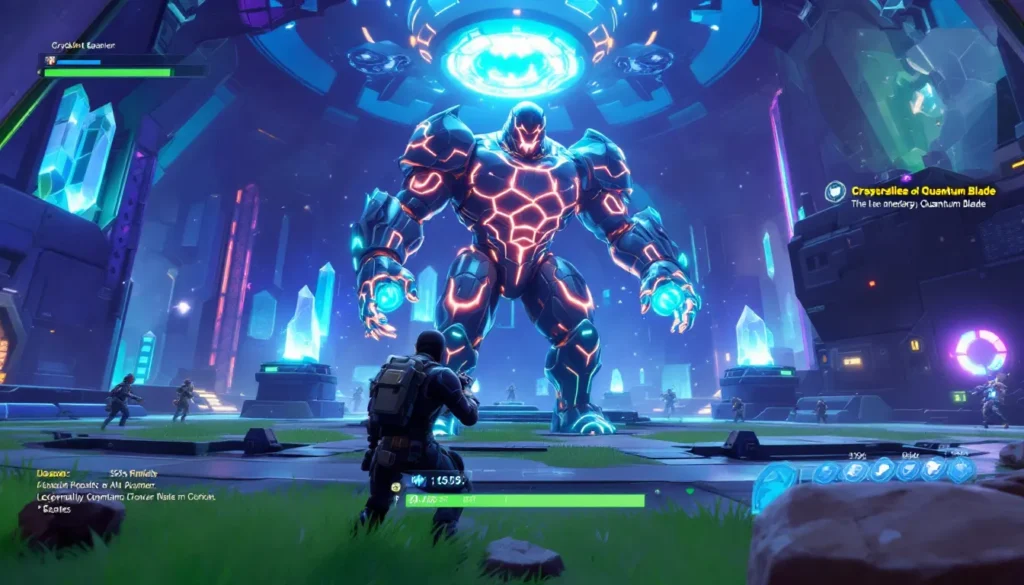
Skye carved out a memorable niche in Fortnite’s ever-rotating cast of characters, and if you’ve caught her in the battle pass or shop, you’ve probably wondered what makes her tick. Whether you’re fresh to her kit or looking to sharpen your gameplay, this guide breaks down everything you need to know, from her parrot mechanics to competitive tournament viability. We’ll walk through her abilities, cosmetics, optimal loadouts, and the strategies that turn her from a fun skin into a formidable presence in your squad. By the end, you’ll understand how to leverage Skye’s unique strengths and avoid the pitfalls that trip up most players.
Table of Contents
ToggleKey Takeaways
- Skye in Fortnite excels as a reconnaissance and mobility specialist with her parrot scan ability revealing enemy positions and glide mechanic enabling vertical repositioning that other skins cannot replicate.
- The parrot scout has a 30-second cooldown and provides a 5-second enemy reveal window, so skilled players must time scans strategically before pushes, rotations, and final circles rather than using them carelessly.
- Skye’s playstyle thrives on team coordination and information sharing—her value comes from enabling better combat decisions through intelligence rather than providing direct damage increases or combat dominance.
- In competitive tournaments through 2026, Skye maintains relevance as a utility pick in squads emphasizing rotations and controlled engagements, with recent patch changes reducing parrot cooldown to increase her viability in rapid-fire circles.
- Avoid common pitfalls like wasting parrot scans on low-value targets, gliding into active firefights, and ignoring the information your abilities provide—disciplined utility usage separates novice from experienced Skye players.
- Shield potions and healing consumables are essential to Skye’s survival since she lacks passive regeneration, and proper heal management varies by game mode and rotation density to maintain squad sustainability.
Who Is Skye in Fortnite?
Skye’s Character Background and Lore
Skye emerged as a battle pass character during Chapter 2, Season 8 (August 2021), and her character design reflected the season’s tropical, wildlife-focused aesthetic. Her lore positioned her as an adventurer with a deep connection to nature and animal companions, specifically, her loyal parrot that doubled as both a cosmetic and a gameplay mechanic. The theming wasn’t purely decorative: Epic Games built her kit around reconnaissance and aerial mobility, matching her adventurer personality.
While Fortnite’s storytelling often takes a backseat to gameplay, Skye’s character felt purposeful. She represented the bridge between traditional humanoid operators and the game’s quirk-driven cosmetics. Her design, practical explorer gear, tactical utility belt, and that signature parrot, made her instantly recognizable without relying on exaggerated proportions or outlandish colors.
Skye’s Role in Fortnite Battle Royale
In Battle Royale, Skye functions as a reconnaissance-focused character whose abilities provide information and mobility advantages. Unlike pure combat-oriented skins, her value derives from her intelligence-gathering potential and traversal tools. She doesn’t heal allies or provide direct protection, but she does something equally important: she reveals enemy positions and enables vertical movement that other characters can’t easily replicate.
Since her release, Skye’s utility has remained relatively consistent, though the meta around her has shifted with balance changes. In 2026, she remains viable for both casual and competitive modes, with her effectiveness heavily dependent on player skill and team coordination. Her role fits squarely into the “support scout” archetype, she’s most valuable when you’re playing with intention and using information effectively rather than relying purely on mechanical aim.
Skye’s Abilities and Mechanics
Parrot Companion and Scouting Mechanics
Skye’s defining feature is her Parrot, which activates through her primary ability. When deployed, the parrot scouts ahead, revealing nearby enemy positions through walls and terrain. The parrot’s scan has a limited range (approximately 5 seconds of active reveal time) and isn’t instant, there’s a brief animation before enemies appear on your screen.
This mechanic sounds simple, but execution matters. The parrot doesn’t just work on-demand: it has a cooldown between uses (roughly 30 seconds as of patch 26.0), so spamming it mindlessly wastes its potential. Skilled players time parrot scans to confirm pushes, verify loot locations, or track enemy rotations during high-stakes moments. The key limitation: the parrot’s reveal fades quickly, so you need to act on information immediately. A 5-second window is enough for a coordinated rotation or confirmation before engagement, but not enough for leisurely decision-making.
One critical detail: the parrot can reveal enemies through structures and natural cover, making it invaluable for final circles where opponents hide in build fights. But, it doesn’t penetrate solid obstacles indefinitely, distance and LoS (line of sight) still matter. Treat it as a secondary recon tool, not a wall-hack.
Aerial Mobility and Traversal Options
Skye’s secondary ability grants temporary gliding mechanics that function similarly to a parachute deployment, but with enhanced directional control. This isn’t instantaneous flight: it’s controlled descent with lateral movement. The ability synergizes with high ground, launching from cliffs, tall builds, or structures amplifies its effectiveness.
The glide mechanic has a cooldown as well (approximately 45 seconds between uses in standard modes), making it a resource to manage, not spam. In early-game rotations across open terrain, smart gliding saves mobility items (like Launch Pads or Rifts) for mid-game fights. In late-game circles, well-timed glides bypass ground-based denial, letting you reposition vertically when enemies expect horizontal pushes.
But, the glide is vulnerable. Once airborne, you’re exposed to hitscan weapons and explosive spam. High-skill opponents track mid-air targets efficiently, so deploying glides into active fire is reckless. Save them for rotations between loot phases or repositioning during building exchanges where enemies are focused on structure plays rather than tracking.
Combat Effectiveness and Playstyle Integration
Skye herself isn’t a dominant combat asset, her base stats and weapon compatibility match any other humanoid skin, meaning she doesn’t inherently out-duel other characters. Her value comes from enabling better combat through positioning, information, and vertical control. A team built around Skye’s kit thrives on:
- Third-partying with information: Your parrot confirms isolated targets before your squad commits to engagement.
- Vertical dominance: Gliding into high-ground positions during chaos creates angles enemies didn’t anticipate.
- Safe rotations: While other players burn mobility resources, Skye’s cooldown-based abilities stretch utility further.
If you’re expecting raw DPS increases or damage multipliers, you’ll be disappointed. Skye is a force multiplier, not a damage dealer. Her playstyle works best in team-oriented, information-dependent encounters. Solo players can leverage her abilities, but they’ll feel less impactful without coordinated squads capitalizing on reveals and positioning.
Skye Skins and Cosmetic Variants
Original Skye Skin and Appearance
The original Skye skin (no suffix) remains the most iconic version. Her design features practical explorer aesthetics: a light jacket, tactical belt, utility straps, and, most distinctively, her parrot perched on her shoulder. The color palette leans toward muted earth tones (greens, browns, tans), giving her excellent visibility without the neon-sign glow of some cosmetics.
From a gameplay perspective, the original isn’t flashy, which is genuinely an advantage in competitive contexts. She blends into foliage and terrain better than high-contrast skins, granting a minor visibility advantage in dense areas. That said, Fortnite’s visibility still depends heavily on player positioning and awareness: no skin grants genuine stealth.
The parrot is permanently visible on her shoulder, making the skin instantly recognizable. If you care about cosmetic prestige (owning older, harder-to-find skins), the original Skye carries that weight, she’s not available every month, and her appearances depend on Epic’s rotation schedules.
Alternative Outfits and Limited-Edition Releases
Epic released a secondary variant, Skye (Tropical), during Season 8’s conclusion. This version emphasizes the island theme with brighter colors, coral pinks, vibrant teals, and lighter materials. The parrot also receives matching color adjustments, creating visual cohesion.
While the Tropical variant looks sharper visually, it sacrifices some of the camouflage advantage. In competitive contexts, players typically favor the original for subtle visibility edge, though the difference is minimal if you’re skilled at positioning anyway.
Beyond official variants, cosmetics, emotes, back bling, pickaxes, can complement Skye thematically. Wings-type back bling works narratively (she’s an adventurer), and sharp pickaxes (versus oversized novelty tools) maintain her grounded aesthetic. Back bling doesn’t affect gameplay directly, but it affects your model’s hitbox silhouette marginally, so some players prefer slimmer options.
As of 2026, Skye hasn’t received a complete overhaul or “superhero” variant in the vein of other characters. Her cosmetic lineup remains relatively stable, making her less of a whale-bait target and more of a straightforward utility pick.
Best Strategies for Playing As Skye
Early-Game Positioning and Resource Gathering
Skye’s early-game strength lies in information gathering without commitment. Drop near high-density POIs (Rave Cave, Greasy Grove, Tilted Towers) and prioritize positioning near cover rather than directly on loot. Once you’ve grabbed shields and a utility weapon (SMG or Shotgun), deploy your parrot to scan nearby structures. This reveals if other squads are looting adjacent buildings, critical intel that informs whether you rotate or fight.
The parrot’s cooldown is long enough that you can’t spam it casually. Reserve scans for high-stakes decisions: confirming whether a nearby squad is still looting (safe to engage) or has moved on (safe to loot). If you’re solo and discover competition, rotating early beats contested early fights where ammo and shields are scarce.
Resource gathering with Skye isn’t fundamentally different from other characters, you still need shield potions, healing items, and ammunition. Her advantage emerges in knowing where resources are contested before you commit to retrieval. Use parrot scans to confirm isolated loot spawns (houses on POI edges) before diverting from main paths.
Don’t waste glide early-game unless rotating across open water or terrain. Mobility items (slurp juices, launch pads) are premium in early circles: your abilities charge back faster than consumables replenish, so preserve them.
Mid-Game Engagement and Territory Control
Mid-game is where Skye’s reconnaissance shines. As the circle shrinks and rotation traffic increases, parrot scans confirm third-party threats and identify isolated targets for aggressive teams. The optimal flow:
- Identify engagement zones where your squad will position defensively.
- Scan perimeters with parrot before rotating into position.
- Use glide for vertical advantage while enemies are rotating.
- Confirm rotations with parrot scans as the circle narrows further.
You’re essentially acting as the squad’s early-warning system. When a teammate shouts “enemies ahead,” you’ve already confirmed their positions and squad size. This cascades into better callouts and faster decision-making.
Territorial control means occupying high ground (hills, tall structures, elevated POI buildings) and defending against pushes. Skye’s glide aids this by allowing quick repositioning if enemies flank. Unlike pure defensive characters, you’re not locking down positions indefinitely, you’re maintaining mobility to rotate when the circle demands it.
During mid-game build fights, reserve your parrot for post-fight confirmation. If you toppled enemy structures or forced a rotation, scan their likely escape routes. If allies are pursuing, a parrot scan two seconds before your squad closes distance confirms the target hasn’t reset HP or gained reinforcements from nearby teams.
Late-Game Clutch Plays and Endgame Tactics
Final circles are chaotic, and Skye thrives in controlled chaos. With teams compressed into small areas, parrot scans become game-changing. A well-timed scan in the final 10 players can:
- Identify the last squad’s position before final pushes.
- Confirm if hidden players are in buildings or structures (critical for grenade/explosive strategies).
- Verify if teams are stacking (grouped together for shared shields/heals) or spread out (vulnerable to area damage).
Use glide sparingly in final circles, every deployment is telegraphed to enemies, and airborne targets are prioritized. Instead, reserve glide for specific plays: rotating into the final zone’s safest edge, repositioning after heavy build exchanges, or escaping storm damage when no other mobility remains.
One advanced tactic: coordinate parrot scans with grenade throws or explosive items. After confirming enemies are grouped in a building via parrot, your squad can push with explosives while enemies are still reacting to new zone placement.
In 1v1 or 2v2 endgame scenarios, parrot scans matter less (you can see enemies from close range), but glide repositioning becomes crucial. If caught in open space with weak cover, gliding to nearby structures or terrain changes can save eliminations. The key: never glide into enemy crossfire, only deploy when enemies are distracted or you have cover at landing.
Skye Weapon Loadouts and Item Synergies
Recommended Weapons for Skye-Focused Builds
Skye pairs well with aggressive mid-range loadouts because her abilities provide information, you know when it’s safe to push aggressively. A foundational loadout looks like:
- Assault Rifle (DMR or Burst AR): Solid DPS at mid-range: pairs with precise callouts from your parrot scans.
- Shotgun or SMG: Close-quarters for finishing isolated targets confirmed by scans.
- Sniper or Marksman Rifle: For confident squads that control positioning: parrot scans enable picks on low-health enemies.
- Healing (Shield Potions, Med Kits): Standard inventory necessity.
- Utility (Grenades, Explosive Weapons): Fire-and-forget area denial when pushing grouped enemies.
Unlike specialists (Sharpshooter characters with crit multipliers), Skye’s weapons depend entirely on your mechanics and engagements you choose. Parrot scans inform better targeting, but they don’t multiply damage or reduce TTK (time-to-kill). If you’re weak on aim, no loadout compensates.
For team coordination, consider swapping your Sniper for a shield-restoration item if your squad lacks healing depth. Your damage output matters less than your squad’s survivability in prolonged fights.
Specific weapon tier (as of Patch 26.0):
- S-Tier: Striker AR (balanced DPS and stability), Shotgun variants (close-quarters dominance).
- A-Tier: Burst Assault Rifles (accuracy-rewarding), DMRs (mid-range precision).
- B-Tier: SMGs (niche close-range), Sniper Rifles (positioning-dependent).
These rankings shift with balance patches, so consult recent patch notes if you’re reading this in late 2026. The principle remains: pick weapons that reward good positioning and information, Skye’s strengths.
Shield and Healing Strategies
Heal management with Skye is straightforward but crucial. Unlike characters with passive regeneration or shield-granting abilities, you depend entirely on consumables. Standard strategy:
- Shield Potions: Priority #1. These restore 50 shield instantly and are consumable in chaotic moments.
- Med Kits: Secondary healing for HP damage (restores 100 HP but takes time).
- Slurp Juice or Chug Splash: Flexible healing that restores both HP and shields: valuable for mid-fight sustainability.
Timing matters. Don’t burn all heals in a single fight if you know storm rotation forces further engagement. Parrot scans help optimize this, if you confirm enemies are looting rather than pushing, you have breathing room to heal safely.
In squad play, coordinate with teammates. If your squad splits heals (you take minis, teammates take shields), ensure distribution matches upcoming rotations. If final zone is open with limited cover, prioritize shields (faster restoration for immediate threats). If final zone is building-heavy, med kits become safer since you can tuck inside cover.
One advanced detail: shield potency varies by game mode. In Zero Build (no structures), shield becomes premium because you can’t build walls to block damage. In standard modes, shields still matter but build-trading extends engagements, so healing becomes more about tempo than raw capacity. Adjust your healing hoarding based on mode.
Common Mistakes When Playing Skye
Wasting Parrot Scans on Low-Value Targets: Many players scan empty areas or teammates’ locations. Your parrot has a 30-second cooldown: scan decisively. Use it before rotations, before aggressive pushes, or during final circles, not randomly when you’re bored.
Over-Relying on Glide for Combat: Gliding into active firefights is suicide. Your glide is a rotation tool, not a combat enhancement. Deploy it between loot phases, during rotations, or when escaping storm, never into visible enemy fire.
Ignoring Parrot Information: Your parrot reveals enemies, but if you don’t act on that information, it’s wasted. When your parrot confirms three enemies grouped in a building, relay callouts to your squad immediately. Hesitation turns information advantage into irrelevance.
Using Abilities on Cooldown: Skye’s abilities have cooldowns for a reason. Just because your parrot is available doesn’t mean you should scan. Wait for high-value moments. This is the difference between Skye players and good Skye players.
Poor Positioning During Scans: When you deploy your parrot, enemies see the animation. If you scan from open ground with no nearby cover, enemies locate you during the animation. Scan from behind trees, rocks, or structures so enemies can’t return fire while you’re vulnerable.
Forgetting Glide Cooldown in Clutch Moments: In final circles, players often forget that glide has cooldown. You may mentally plan to glide away from grenades, but if you just glided 10 seconds ago, that plan fails. Track cooldowns mentally, it’s the difference between survival and elimination.
Solo-Queue Reliance: Skye is team-oriented. If you’re playing solos or with uncoordinated randoms, her abilities are weaker. Her reconnaissance value shines when teammates act on callouts. In competitive squad modes, she’s invaluable. In solo, she’s mediocre.
Skye in Competitive Play and Tournaments
Skye maintains relevance in competitive Fortnite, though her presence depends on meta shifts and tournament ruleset. In recent competitive circuits (including FNCS tournaments through 2026), she appears sporadically, usually in squads that emphasize reconnaissance and controlled rotations.
Competitive viability stems from:
- Information Trading: Tournament players make split-second decisions based on limited information. Parrot scans provide that edge in critical moments (late rotations, final circles).
- Vertical Plays: Competitive build fights reward high-ground control. Skye’s glide enables unconventional rotations that catch opponents off-guard.
- Mobility Scarcity: Major tournaments often have limited Rifts or Launch Pads. Skye’s cooldown-based mobility preserves resource inventory for weapons and heals.
But, Skye isn’t dominant like pure fragging characters. Competitive squads typically prioritize players with higher mechanical ceilings or direct utility (shield-granting, aggressive mobility). Skye works best in squads where one or two players are dedicated fraggers and one player (Skye) coordinates intelligence and rotations.
Patch 26.0 (early 2026) saw slight adjustments to Skye’s parrot cooldown (reduced from 35 to 30 seconds), making her more relevant in rapid-fire tournament circles. Check tournament-specific patch notes before competition: competitive events often run on custom rulesets diverging from public builds.
If you’re aspiring to competitive play with Skye, focus on:
- Perfect parrot timing: Competitive players exploit information gaps ruthlessly. Your scans must confirm critical rotations or threats.
- Glide precision: Competitive maps are tight: mistimed glides lose territory. Practice glide-to-building accuracy obsessively.
- Callout clarity: In tournaments, your information is only valuable if teammates understand it immediately. Develop shorthand callouts with your squad.
- Rotation awareness: Understand optimal rotations before the game starts. Skye enables unconventional paths, know which ones your squad will exploit.
Resources like Dexerto and The Loadout maintain updated tournament coverage, including character picks and meta shifts, so bookmark those for real-time competitive intel. Professional players stream scrimmages regularly, watching high-level Skye gameplay is invaluable for understanding nuanced ability timing and rotation decision-making.
Conclusion
Skye remains a compelling choice for players prioritizing information, mobility, and team coordination over raw mechanical dominance. Her parrot provides reconnaissance that transforms engagements from chaotic guesswork into calculated decisions. Her glide enables positioning advantages that other characters can’t replicate without consumable resources. Whether you’re grinding ranked modes, pushing for tournament appearances, or simply looking for a character that rewards smart play, Skye delivers.
The key to mastering her lies not in flashy outplays but in disciplined utility usage. Every parrot scan should serve a purpose. Every glide should position you strategically. Every callout should drive team decisions. This precision separates novice Skye players from veterans.
As the meta continues evolving through 2026 and beyond, Skye’s role may shift with balance adjustments. Stay connected to patch notes and competitive coverage on platforms like GameSpot to catch updates that affect her viability. But fundamentally, her design philosophy, information plus mobility, remains timeless in Fortnite’s competitive ecosystem. Master her, and you’ll unlock playstyles that other skins simply can’t execute.